Get your free personalized podcast brief
We scan new podcasts and send you the top 5 insights daily.
Chow warns that sponsorship is also called nepotism, favoritism, or bias when recipients seem undeserving. Research shows people from certain groups are less likely to be seen as deserving, so they may receive less sponsorship. Without intentional choices about whom to sponsor, she says, you risk worsening social inequality.

Related Insights
The ultimate way to master the dynamics of sponsorship is to practice it yourself. Actively look for opportunities to spend your own political capital to advance someone else's career. This provides firsthand experience with the costs, risks, and rewards involved.

The mandate to sort employees into fixed buckets allows managers to legitimize their personal biases. Prejudices about who "belongs" in the bottom tier can be masked as compliance with a data-driven system, leading to disparate impacts as seen in lawsuits against companies like Ford.

The trend towards flat organizations, often promoted in agile environments, can eliminate the middle management layer responsible for formal advocacy. This forces sponsorship into informal networks, which are less visible, less meritocratic, and more susceptible to affinity bias.
Research highlights a significant bias in promotion decisions. Men are often judged on their perceived capabilities two years in the future, allowing for deficits. In contrast, women are typically evaluated strictly against their current skill set, penalizing them for not already possessing every requirement of the role.

Early promo committees at Uber involved managers verbally advocating for reports in large, unprepared meetings. This was highly unfair because an employee's promotion depended heavily on their manager's ability to present a compelling case, not solely on their performance.

A sponsor can fail you in three subtle ways. They may say the right things but never risk their political capital. They may genuinely believe in you but lack the actual power ('juice') to influence decisions. Or, most dangerously, they may only advocate for people who remind them of themselves.
A pervasive bias is that parents are less committed or ambitious. This assumption leads managers to overlook them for growth opportunities, courses, and promotions, creating a self-fulfilling prophecy and squandering leadership potential.

Research shows women often have more mentors than men, but men have significantly more sponsors. Mentors offer advice, while sponsors use their influence to advocate and create opportunities. This distinction is critical for advancement, as sponsorship provides access to roles that mentorship alone cannot.

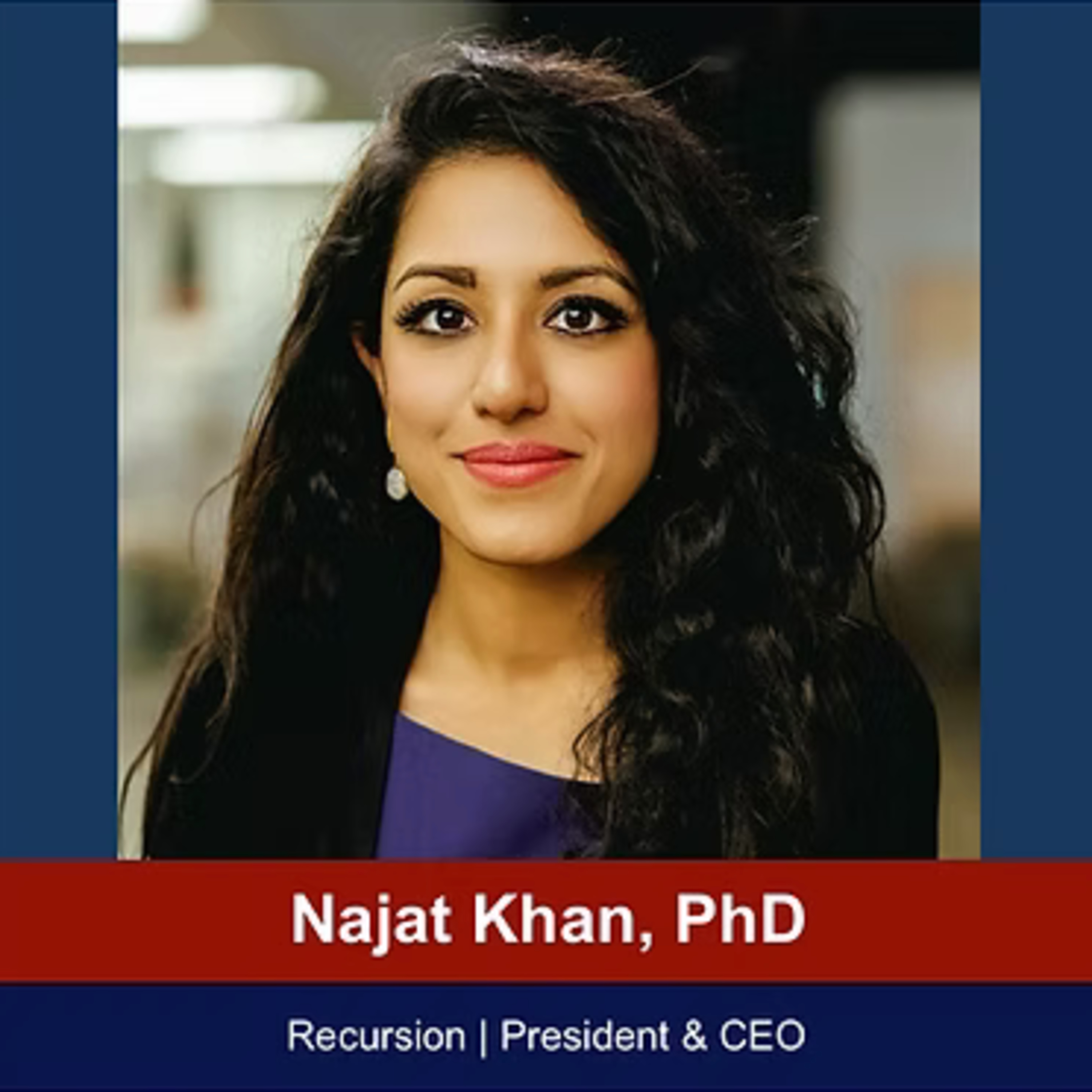
Najat Khan distinguishes between mentors who advise and sponsors who advocate. She argues companies must focus on sponsorship—identifying leaders who will actively champion women when they are not in the room—to create equitable career progression and overcome systemic barriers.
Carolla argues that in systems with finite spots, like writers' rooms or college admissions, you cannot simply "help" one demographic without disadvantaging another. Using a sports analogy, he states if you root for the Steelers, you inherently root against the Ravens; DEI forces a similar choice.
