Get your free personalized podcast brief
We scan new podcasts and send you the top 5 insights daily.
The trend towards flat organizations, often promoted in agile environments, can eliminate the middle management layer responsible for formal advocacy. This forces sponsorship into informal networks, which are less visible, less meritocratic, and more susceptible to affinity bias.

Related Insights
While often touted as a benefit, flat organizational structures can be confusing for new hires. As a junior employee, Amelia Howe found it difficult to determine the right person to communicate with, sometimes defaulting to the CEO. This highlights the need for clear communication channels even without formal hierarchy.

Companies mistakenly bundle management with authority, forcing top performers onto a management track to gain influence. Separate them. Define management's role as coordination and context-sharing, allowing senior individual contributors to drive decisions without managing people.

The primary barrier to AI adoption in large companies is not technological but organizational. Success depends on understanding the 'real' org chart—the informal network of influencers who control data and approve projects, which often differs from the official hierarchy.

The "bottom-up" management approach is not a true alternative to "top-down" leadership because it maintains a hierarchical worldview. It forces individuals to see colleagues as either above or below them, reinforcing the very pyramid structure it purports to escape.

Placing all your advancement hopes on one sponsor is risky. If they leave the company, lose influence, or the relationship sours, you are back to square one. Instead, cultivate a 'portfolio of sponsors' for different situations to diversify your support system.
A sponsor can fail you in three subtle ways. They may say the right things but never risk their political capital. They may genuinely believe in you but lack the actual power ('juice') to influence decisions. Or, most dangerously, they may only advocate for people who remind them of themselves.
When formal management is cut, an informal leadership structure inevitably emerges. This 'ghost hierarchy' operates on influence rather than authority, rewarding charismatic confidence over actual competence and breeding political maneuvering as the primary means of securing resources and decisions.

Research shows women often have more mentors than men, but men have significantly more sponsors. Mentors offer advice, while sponsors use their influence to advocate and create opportunities. This distinction is critical for advancement, as sponsorship provides access to roles that mentorship alone cannot.

The true purpose of a flat organization is to enable rapid information flow and collaboration, preventing data silos. It allows any junior engineer to directly communicate with senior leadership, accelerating decision-making and problem-solving across the company without having to funnel information through managers.

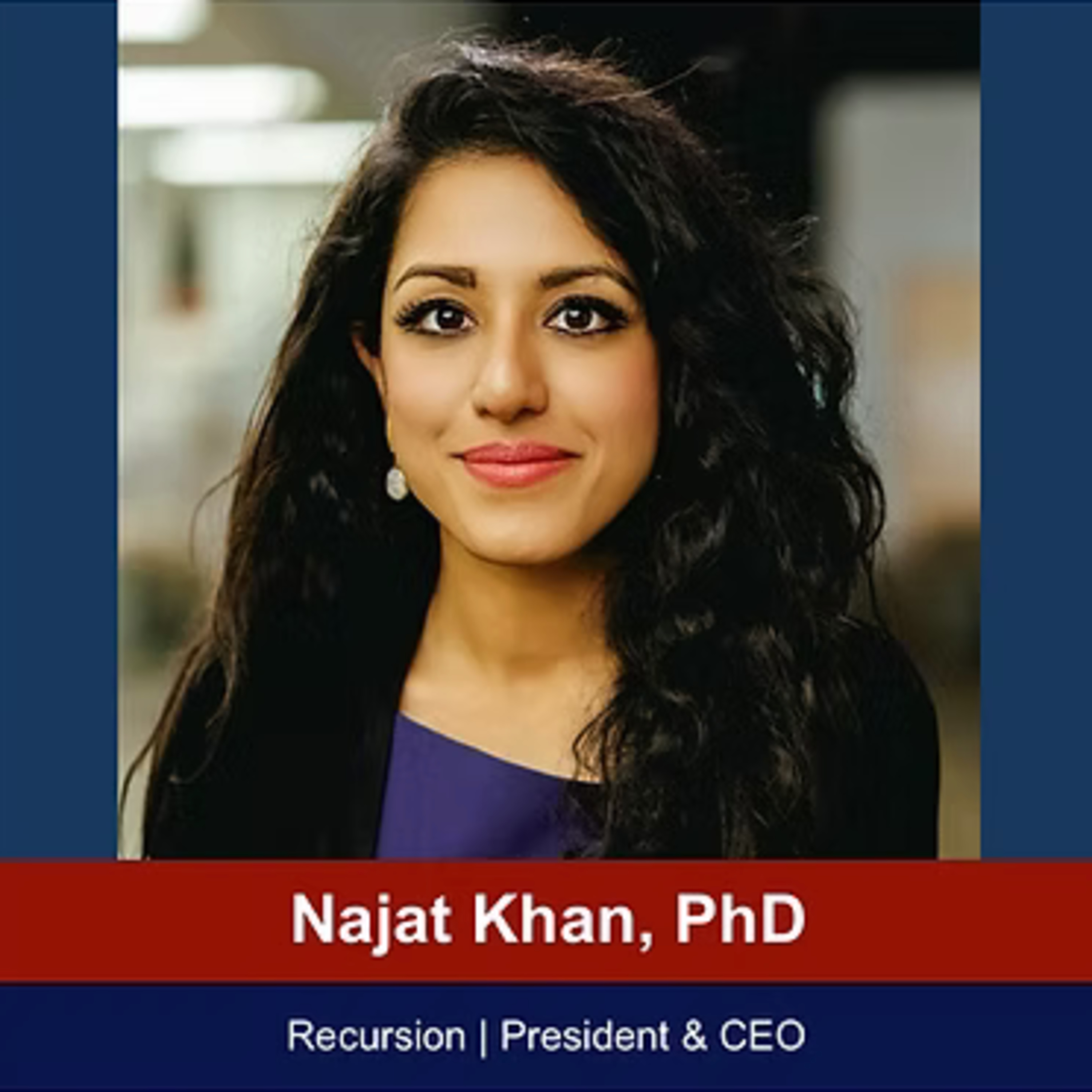
Najat Khan distinguishes between mentors who advise and sponsors who advocate. She argues companies must focus on sponsorship—identifying leaders who will actively champion women when they are not in the room—to create equitable career progression and overcome systemic barriers.