Get your free personalized podcast brief
We scan new podcasts and send you the top 5 insights daily.
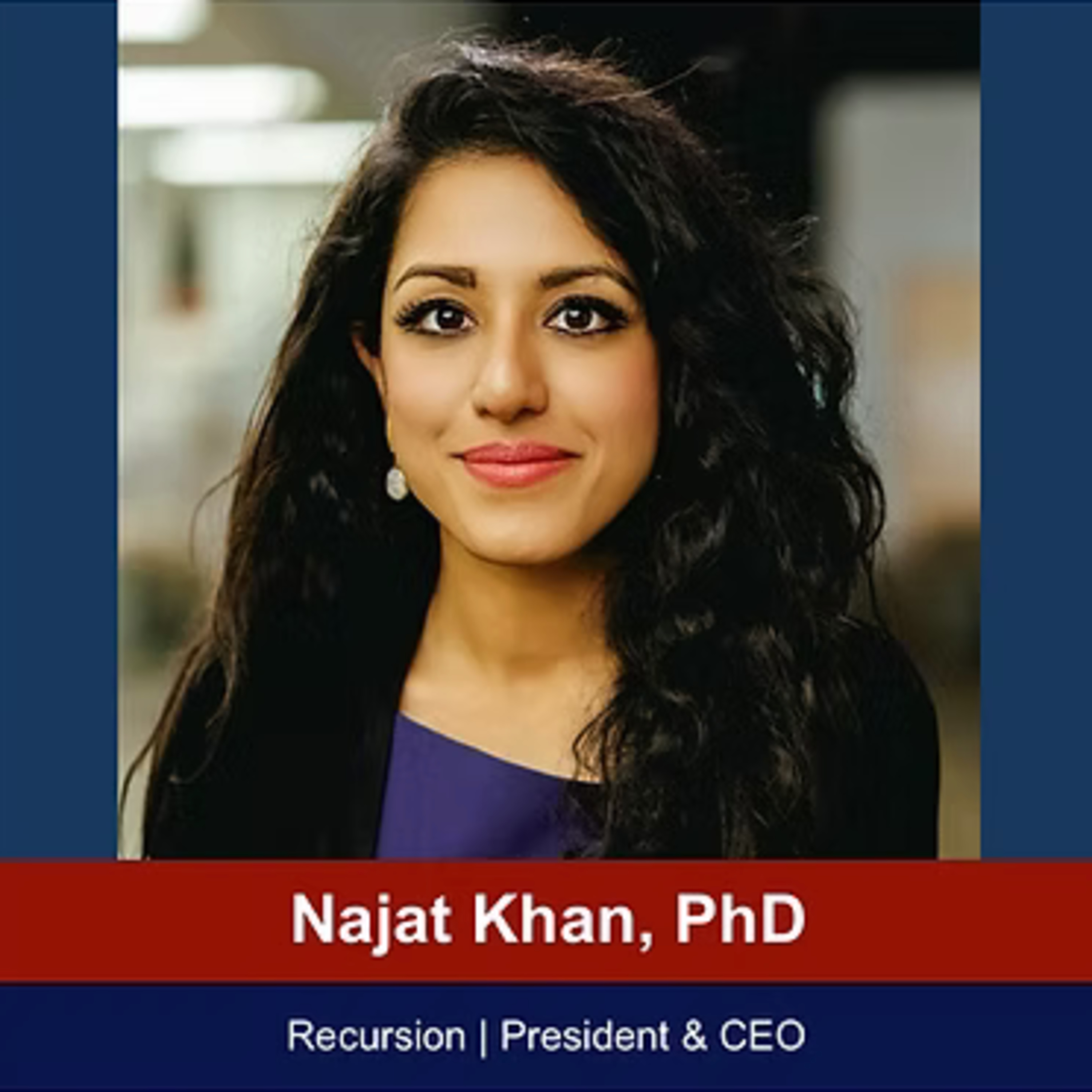
Najat Khan distinguishes between mentors who advise and sponsors who advocate. She argues companies must focus on sponsorship—identifying leaders who will actively champion women when they are not in the room—to create equitable career progression and overcome systemic barriers.
Related Insights
Career advancement isn't a pure meritocracy. Promotions often go to the most visible and well-liked people, not just the most skilled. Therefore, investing time in building relationships and ensuring senior leadership sees your work's impact can yield greater returns than focusing solely on improving your technical abilities.

Goldcast's founders actively connected their marketing leader with an experienced CMO and sponsored the engagement. This demonstrates a powerful, tangible investment in professional development that accelerates a leader's growth in navigating executive and board-level challenges.

The traditional power structure of climbing a single corporate ladder is obsolete. For senior women, networks have become the primary vehicle for building influence and opportunity. They leverage these communities to collaborate, find investors, and launch ventures, effectively creating their own "tables of influence."

Understand the critical difference between mentorship and sponsorship. A mentor offers advice based on their past experiences. A sponsor actively uses their influence and political capital to create concrete opportunities for your advancement. Career acceleration comes from sponsorship.

Jodie Morrison argues it is not enough for women to achieve leadership positions; they have a duty to actively support and mentor the next generation. This involves giving back to the community and creating the support networks that didn't exist for them.

Career challenges faced by professional women are not random but fall into seven recurring patterns or "power gaps." These include not recognizing accomplishments, isolating from support, and acquiescing to mistreatment. Identifying which gaps are present allows for targeted, effective action.

For Walmart PM Sanjita Raj, mentorship is a commitment born from not seeing many women in product leadership early in her career. Her goal is not just to offer advice but to actively "make the ladder more visible" for others, showing them a clear and attainable path forward.

Research shows women often have more mentors than men, but men have significantly more sponsors. Mentors offer advice, while sponsors use their influence to advocate and create opportunities. This distinction is critical for advancement, as sponsorship provides access to roles that mentorship alone cannot.
While mentors are widely discussed, forming a small group of peers on a similar career journey is a more potent, underutilized tool. A trusted peer group, especially with members outside your own company, accelerates learning, expands your network exponentially, and provides crucial support.

Sponsorship is distinct from mentorship. A sponsor actively uses their influence to create opportunities for you, even when you aren't present. This can involve recommending you for a speaking engagement they must decline or suggesting you for a project. These sponsors can come from unexpected professional circles.
