Get your free personalized podcast brief
We scan new podcasts and send you the top 5 insights daily.
The ultimate way to master the dynamics of sponsorship is to practice it yourself. Actively look for opportunities to spend your own political capital to advance someone else's career. This provides firsthand experience with the costs, risks, and rewards involved.

Related Insights
Goldcast's founders actively connected their marketing leader with an experienced CMO and sponsored the engagement. This demonstrates a powerful, tangible investment in professional development that accelerates a leader's growth in navigating executive and board-level challenges.

When asking someone to be your sponsor, directly reference the fact that key decisions happen in private. Use a script like Carla Harris's: state your readiness for promotion and acknowledge that you need an advocate 'pounding the table' on your behalf behind closed doors.
To build relationships with potential mentors or sponsors, replace the extractive ask of "Will you mentor me?" with the value-added offer of "How can I help you?". This non-transactional approach demonstrates your worth, builds genuine rapport, and makes influential people want to invest in your career.

Placing all your advancement hopes on one sponsor is risky. If they leave the company, lose influence, or the relationship sours, you are back to square one. Instead, cultivate a 'portfolio of sponsors' for different situations to diversify your support system.
Understand the critical difference between mentorship and sponsorship. A mentor offers advice based on their past experiences. A sponsor actively uses their influence and political capital to create concrete opportunities for your advancement. Career acceleration comes from sponsorship.

A sponsor can fail you in three subtle ways. They may say the right things but never risk their political capital. They may genuinely believe in you but lack the actual power ('juice') to influence decisions. Or, most dangerously, they may only advocate for people who remind them of themselves.
A key difference between a mentor and a sponsor is the resource they expend. Mentors invest their time to advise you. Sponsors invest their personal credibility and political capital to advocate for you, which is a much higher-stakes commitment that carries tangible risk.
A mentor helps build your skills and advises you on navigating your career. A sponsor, however, uses their political capital and reputation to advocate for you in high-stakes conversations where promotions and opportunities are decided—rooms you are not in.
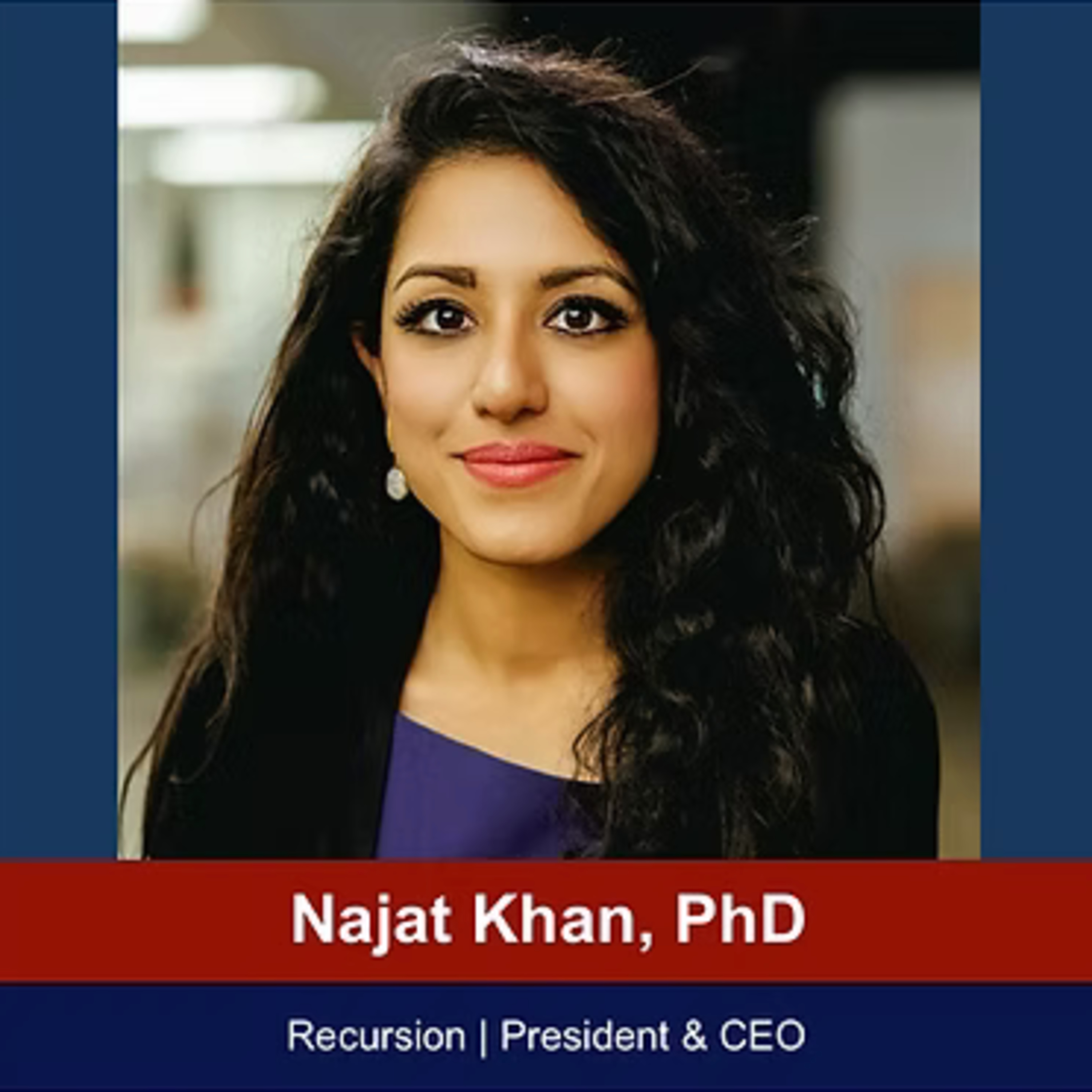
Najat Khan distinguishes between mentors who advise and sponsors who advocate. She argues companies must focus on sponsorship—identifying leaders who will actively champion women when they are not in the room—to create equitable career progression and overcome systemic barriers.
Sponsorship is distinct from mentorship. A sponsor actively uses their influence to create opportunities for you, even when you aren't present. This can involve recommending you for a speaking engagement they must decline or suggesting you for a project. These sponsors can come from unexpected professional circles.
