Get your free personalized podcast brief
We scan new podcasts and send you the top 5 insights daily.
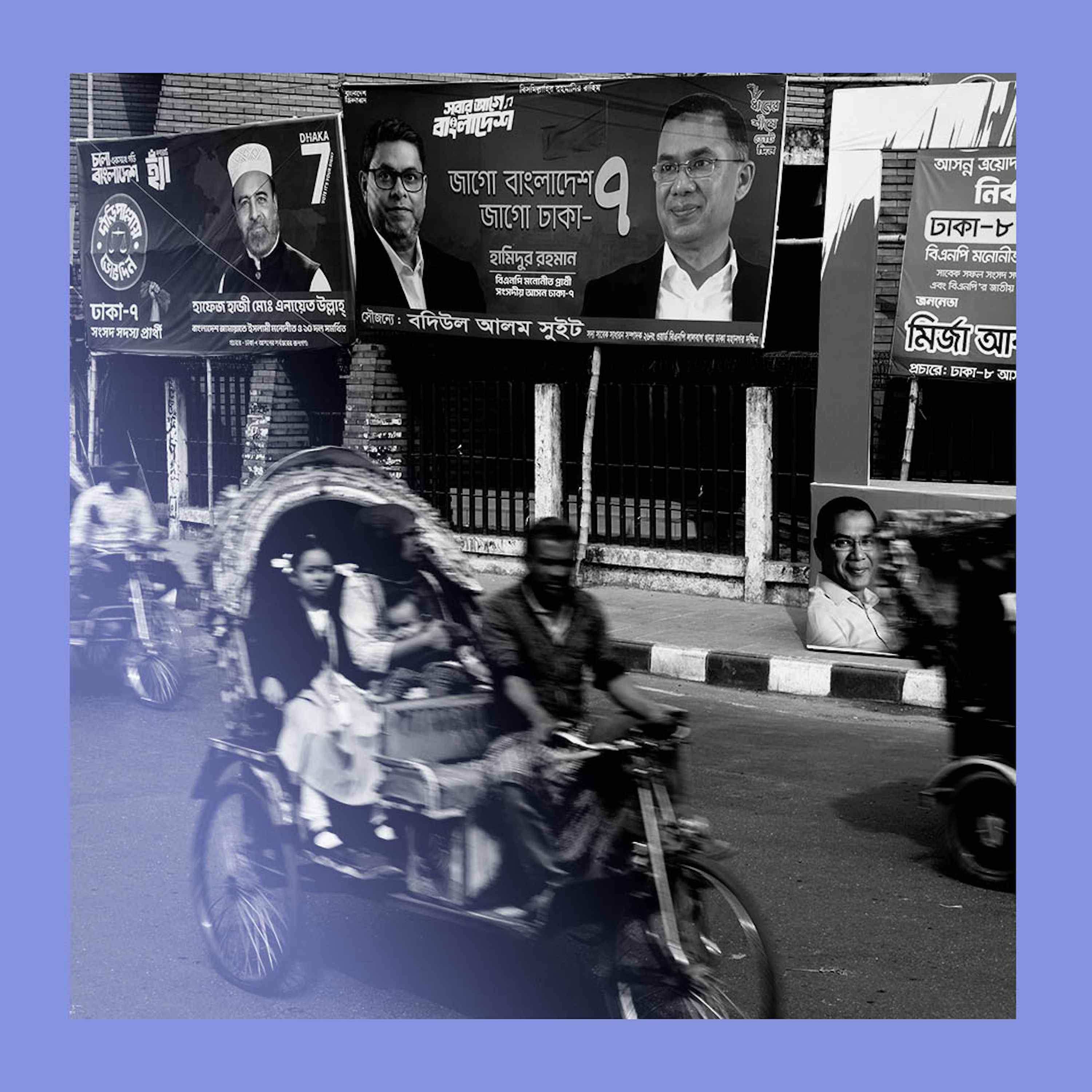
In Bangladesh's election, the Islamist party Jamaat is attracting voters not for its religious ideology, but because it's perceived as more disciplined, meritocratic, and less corrupt than established parties. This positions them as a viable reform choice for voters tired of misrule, despite concerns from liberal groups.
Related Insights
To frame the next election as a binary choice between his Labour party and the far-right Reform party, Prime Minister Keir Starmer is strategically complimenting the Conservative party. This unusual tactic aims to portray Reform as an extremist threat outside the political mainstream, thereby marginalizing the traditional opposition.

Immigrant communities are often socially conservative and pro-business, values that align with conservative parties. However, Roy Ratneville argues they frequently vote for liberal parties out of fear, fueled by media portrayals of conservatives as anti-immigrant. This perception overrides their natural policy alignment.

The appeal of a populist leader lies in their rejection of traditional political norms. When the electorate feels betrayed by the established "political class," they gravitate toward figures whose rhetoric is a deliberate and stark contrast, signaling they are an outsider.

Liberal parties like the People's Party can win elections but are systematically blocked from governing. The Thai establishment uses the constitutional court to dissolve these parties and ban their leaders, leading many voters to doubt if their vote for liberal change can ever succeed.
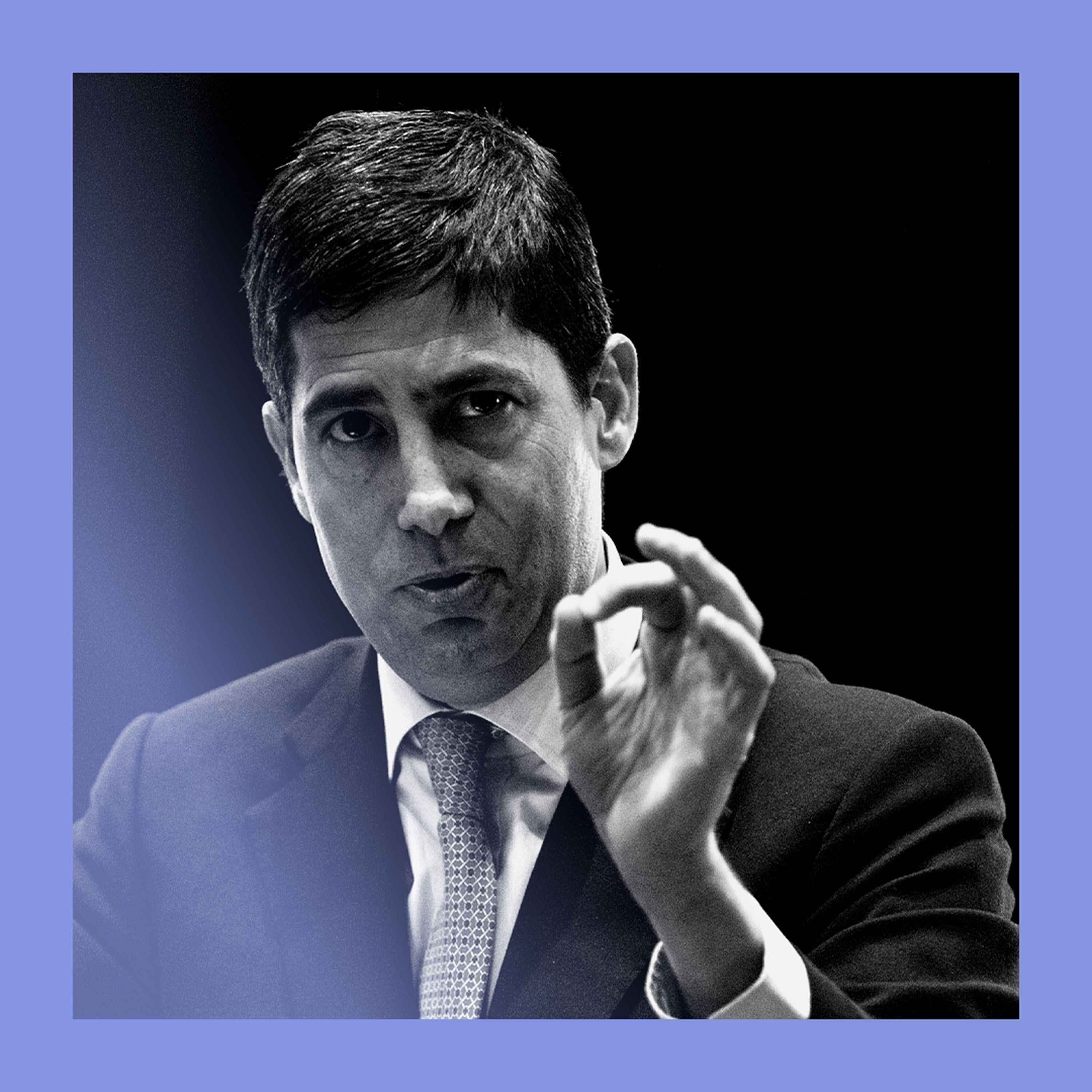
Oklahoma City's mayor is elected in a non-partisan system where all candidates face all voters. This incentivizes building a broad coalition from the 70% of moderates, rather than appealing to the polarized extremes common in closed party primaries.

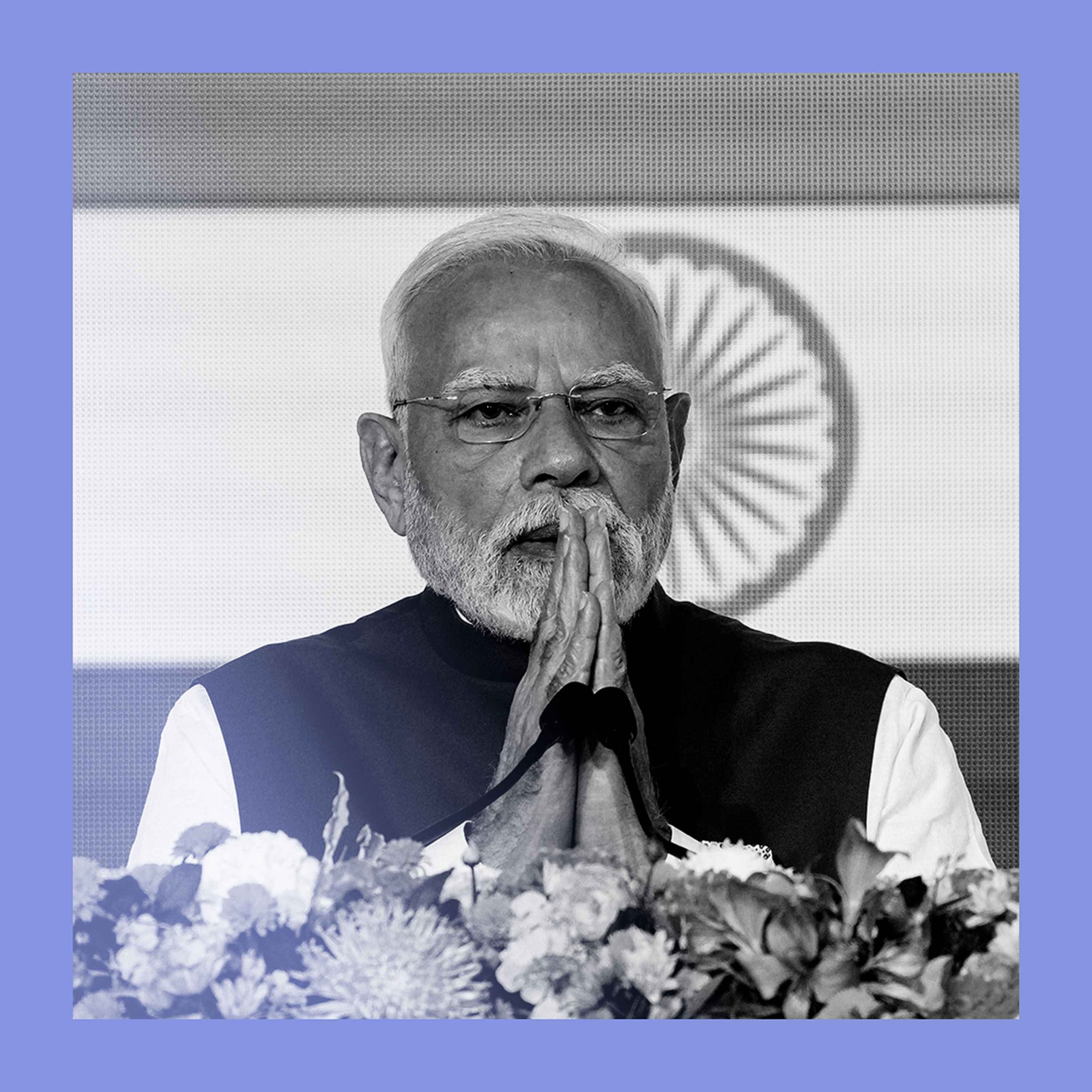
After a disappointing 2024 election where his party lost its majority, Narendra Modi shifted focus from a divisive cultural agenda to pragmatic economic reforms. This includes simplifying taxes, overhauling labor laws, and securing trade deals, a move that has helped him regain political dominance and respond to voter concerns about inflation.
Widespread unrest against Sheikh Hasina's authoritarian rule was not triggered by general discontent alone. The catalyst was a specific Supreme Court decision implementing a 30% government job quota for the children of 1971 freedom fighters, who were largely supporters of her party.
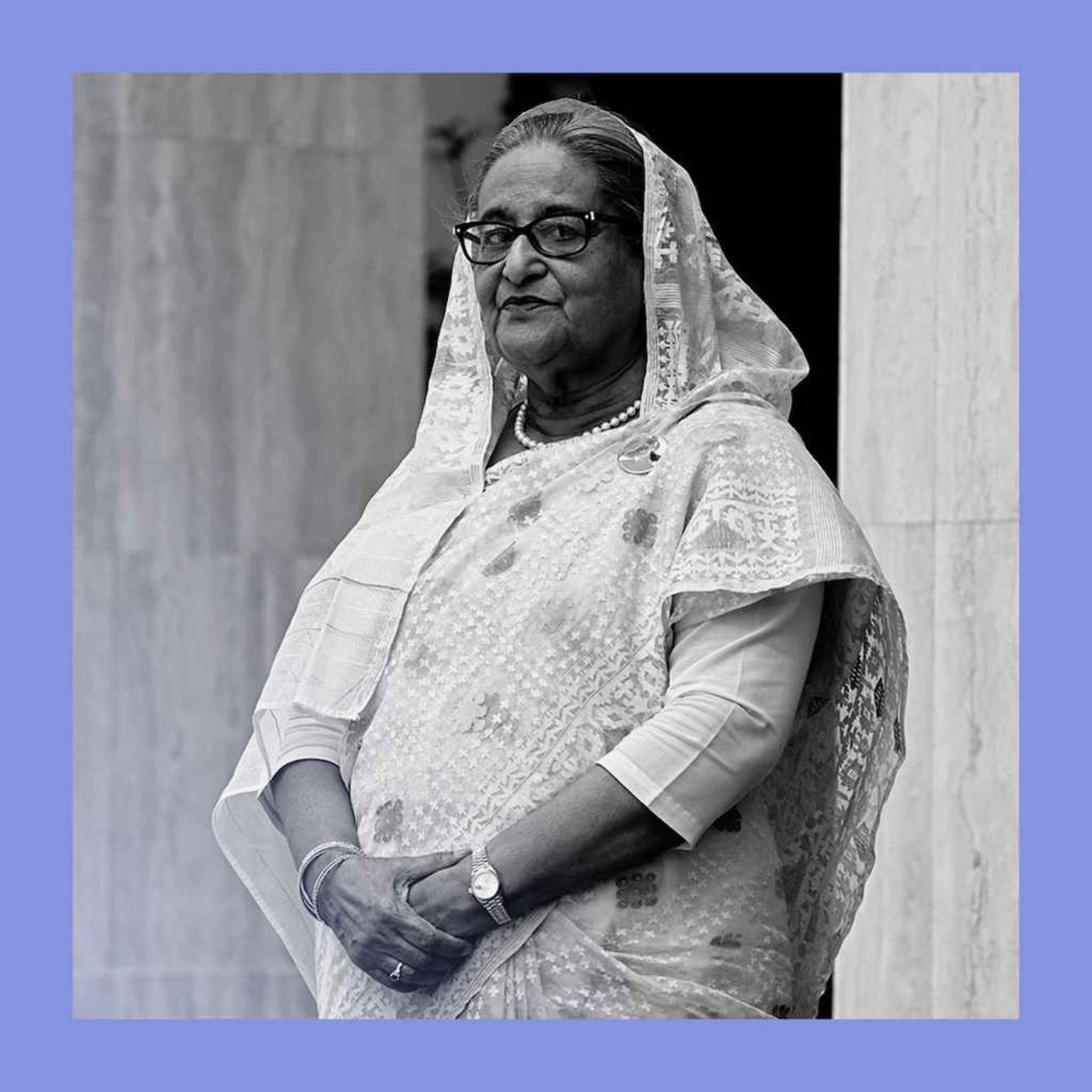
In a significant political irony, former Prime Minister Sheikh Hasina was tried by the International Crimes Tribunal. This was a court her own government set up in 2009, originally intended to prosecute war criminals from the 1971 war, not political leaders like herself.
Unlike its neighbors, Ghana's "entrenched duopoly" of two hyper-competitive political parties provides a non-violent outlet for youth discontent. This political structure channels the frustrations of marginalized young people, even in poorer regions, into voting and party activism rather than recruitment by violent extremist groups.
The election of leaders like Japan's female prime minister, who enacts hardline policies, shows that voters are primarily driven by shared values, not identity characteristics. When a leader's ideology matches the electorate's, their gender or race becomes secondary.
