Get your free personalized podcast brief
We scan new podcasts and send you the top 5 insights daily.
Liberal parties like the People's Party can win elections but are systematically blocked from governing. The Thai establishment uses the constitutional court to dissolve these parties and ban their leaders, leading many voters to doubt if their vote for liberal change can ever succeed.
Related Insights
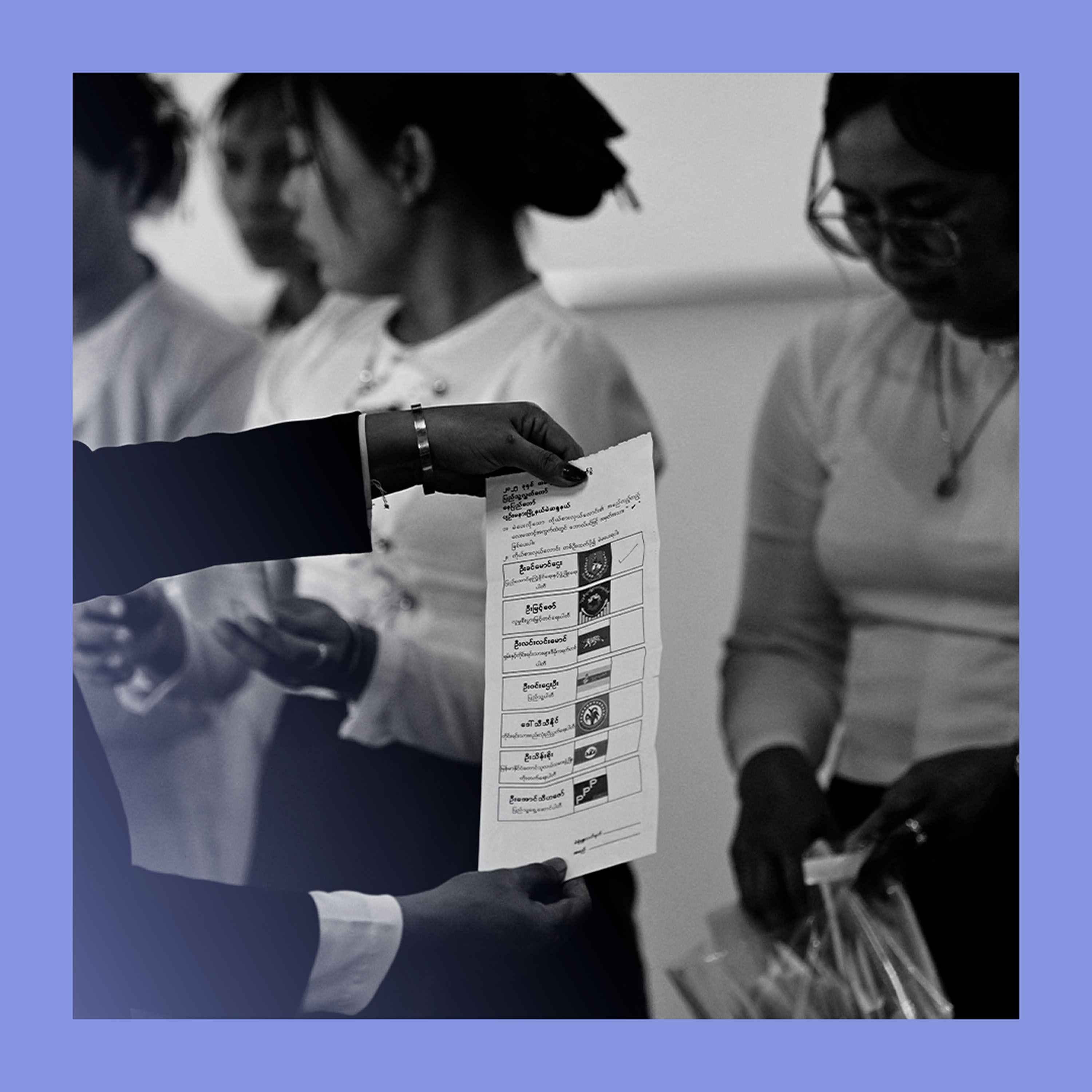
The widely condemned election is not for public legitimacy but serves as a potential internal political mechanism. Many in the military brass consider their leader, Min Aung Hlaing, to be inept and may use the election's outcome as a pretext to displace him and install new leadership.
Much of government functions on decorum and unwritten rules. When political actors attack these norms—like challenging procedural traditions—it creates a cycle of retribution that destabilizes the entire system more profoundly than any single illegal act could.

Authoritarian leaders like Hugo Chavez systematically dismantle democracy from within after winning elections. They replace competent individuals in the military and government with those who are absolutely loyal, destroying meritocracy to ensure the state apparatus serves the regime, not the people.

When a political movement is out of power, it's easy to unify against a common opponent. Once they gain power and become the establishment, internal disagreements surface, leading to factions and infighting as they debate the group's future direction.

Treating political opposition as a criminal enterprise creates an existential battle akin to nuclear MAD (Mutually Assured Destruction). It forces each side to escalate when in power, fearing they'll be jailed if they lose, which guarantees the destruction of the political system itself.

The goal of modern populist movements has shifted from winning elections to establishing permanent dominance. This is achieved by creating a mandate to prosecute and imprison political opponents, dismantling the norm of peaceful power transitions in favor of winner-take-all retribution.

Once a country falls into the unstable “anocracy” zone, its chances of recovery are slim, with only 20% returning to a full democracy. Data shows this reversal, or "U-turn," must happen quickly, typically within a single electoral cycle of five to eight years. The longer a nation lingers, the harder it is to escape.

Beyond headline-grabbing scandals, the most insidious impact of a kleptocratic administration is its refusal to enforce existing laws, from financial regulations to anti-corruption acts. This quiet dismantling of the legal framework fosters a culture of impunity where bad actors thrive, ultimately harming ordinary people and destabilizing the entire system.

The defining characteristic of a functional democracy is not who wins, but the behavior of those who lose. A democracy is healthy only when the losing side accepts the result as legitimate and agrees to compete again in the future. The moment losers begin to systematically challenge the fairness of the process, the entire democratic foundation is at risk.

Using legal attacks against political opponents ("lawfare") is a societal gangrene. It forces the targeted party to retaliate, turning elections into existential battles for survival rather than policy contests. This high-stakes environment creates a powerful incentive to win at any cost, undermining democratic norms.
