Get your free personalized podcast brief
We scan new podcasts and send you the top 5 insights daily.
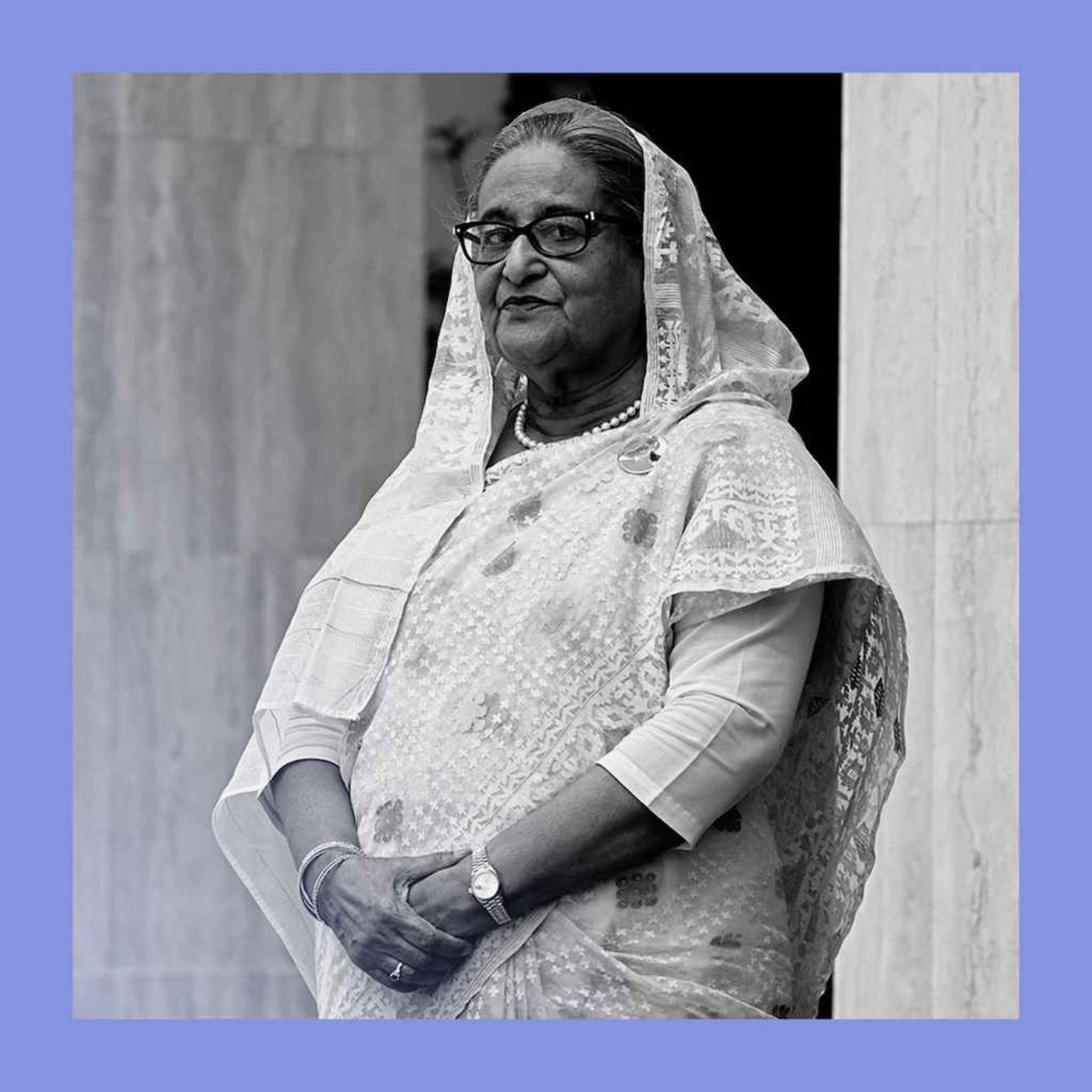
Widespread unrest against Sheikh Hasina's authoritarian rule was not triggered by general discontent alone. The catalyst was a specific Supreme Court decision implementing a 30% government job quota for the children of 1971 freedom fighters, who were largely supporters of her party.
Related Insights
Widespread suffering alone doesn't trigger a revolution. Historically, successful uprisings require a politically savvy, well-organized group with a clear agenda and influential leadership. Disparate and unorganized populations, no matter how desperate, tend to see their energy dissipate without causing systemic change.

Authoritarian leaders like Hugo Chavez systematically dismantle democracy from within after winning elections. They replace competent individuals in the military and government with those who are absolutely loyal, destroying meritocracy to ensure the state apparatus serves the regime, not the people.

The appeal of a populist leader lies in their rejection of traditional political norms. When the electorate feels betrayed by the established "political class," they gravitate toward figures whose rhetoric is a deliberate and stark contrast, signaling they are an outsider.

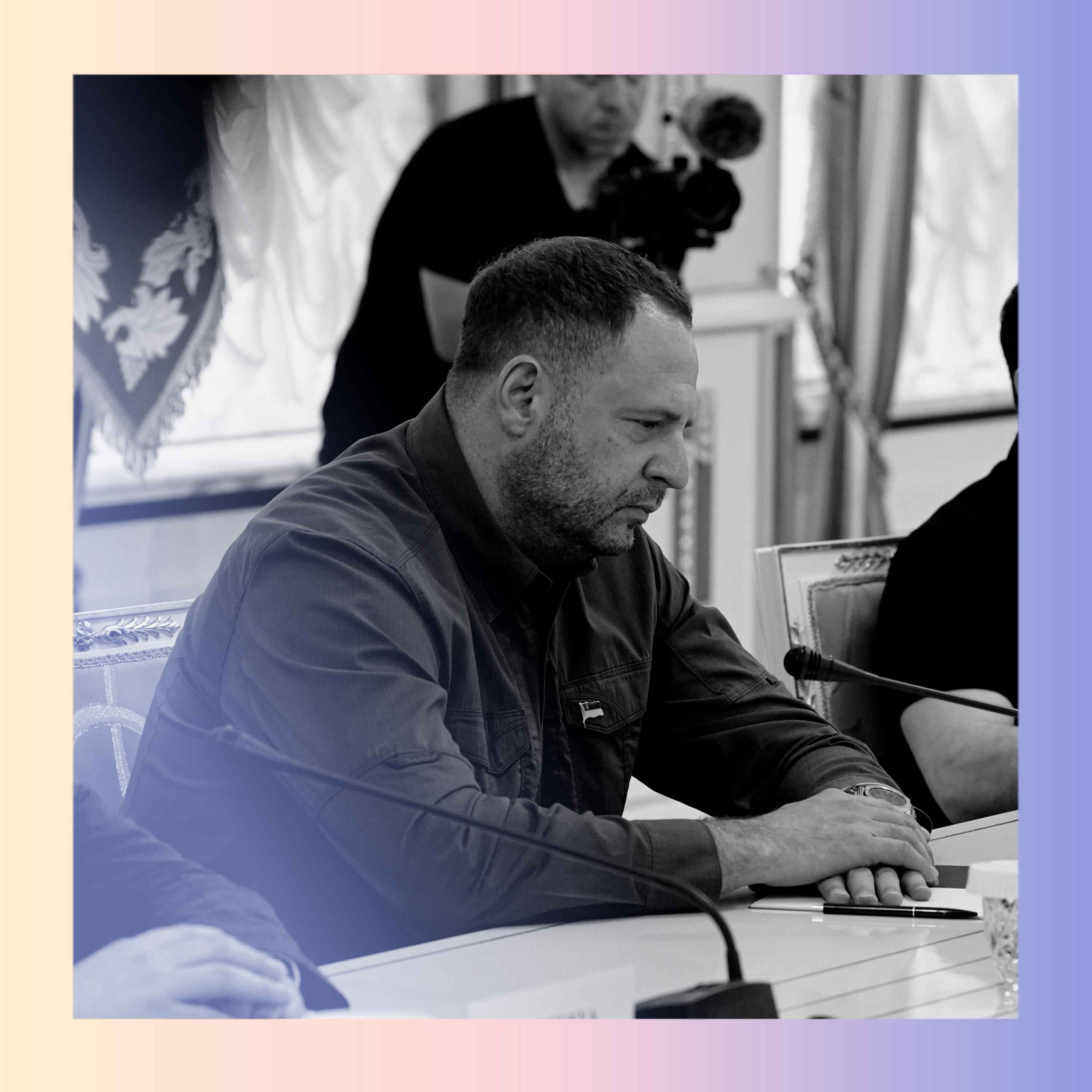
The Ukrainian President's office tried to neutralize anti-corruption bodies by passing a bill to place them under a pliant prosecutor, which would have killed the investigation. However, thousands of citizens protested, forcing President Zelenskyy to reverse the decision, an act an investigator credited with saving the entire operation.
What appear as organic 'color revolutions' are often the result of a highly developed, academic playbook. This field, known as 'democratization studies' or 'civil resistance,' is taught at major universities and provides a systematic, step-by-step guide for orchestrating political change from the bottom up.

In a significant political irony, former Prime Minister Sheikh Hasina was tried by the International Crimes Tribunal. This was a court her own government set up in 2009, originally intended to prosecute war criminals from the 1971 war, not political leaders like herself.
The inability for young people to afford assets like housing creates massive inequality and fear. This economic desperation makes them susceptible to populist leaders who redirect their anger towards political opponents, ultimately sparking violence.

Beyond headline-grabbing scandals, the most insidious impact of a kleptocratic administration is its refusal to enforce existing laws, from financial regulations to anti-corruption acts. This quiet dismantling of the legal framework fosters a culture of impunity where bad actors thrive, ultimately harming ordinary people and destabilizing the entire system.

A CIA task force analyzed 38 variables to predict political instability, including common assumptions like poverty and inequality. They found only two were highly predictive: 1) a country being a partial democracy, or “anocracy,” and 2) its political parties organizing around identity (race, religion) rather than ideology.

History demonstrates a direct, causal link between widening inequality and violent societal collapse. When a large portion of the population finds the system unbearable, it leads to events like the French Revolution—a blunt cause-and-effect relationship often sanitized in modern discourse.
