Get your free personalized podcast brief
We scan new podcasts and send you the top 5 insights daily.
Aggressive state tactics like internet shutdowns and physical baton strikes often backfire by radicalizing casual observers. Young citizens who originally encountered satirical online content become hardened, recurring street demonstrators once they experience unprovoked police brutality against themselves and their peers.

Related Insights
Confrontational protest movements can backfire. By making an entire community feel targeted, even if the intent is to challenge a specific extremist element, such movements can alienate moderates. This creates a fertile recruiting ground for the very groups the activists oppose.

After initial violent crackdowns backfired by inflaming crowds, the Georgian government adopted a strategy of covert repression. It now uses the legal system—banning face coverings, imposing huge fines, and making targeted arrests—to methodically dismantle the year-long protest movement without the international backlash caused by overt street violence.
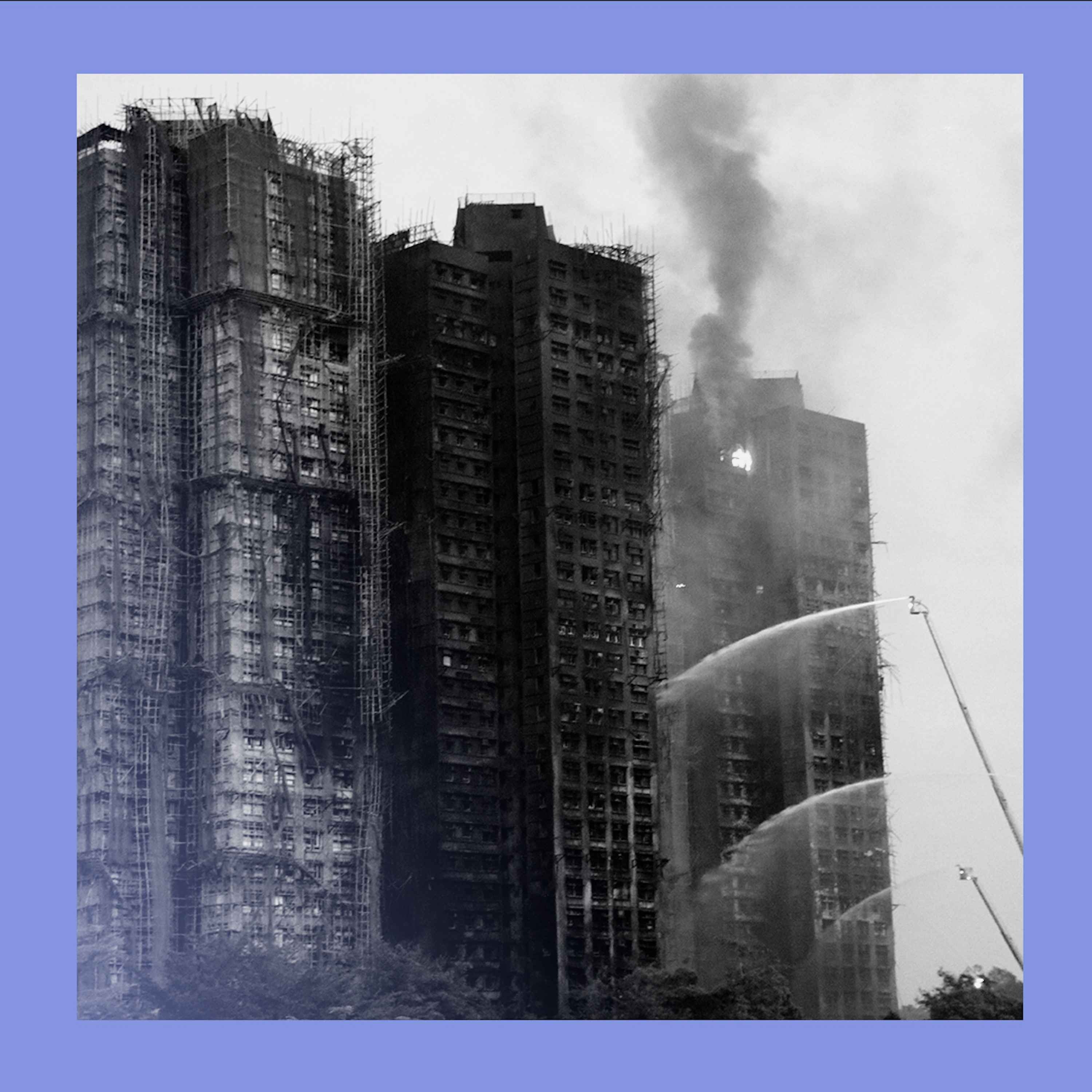
Dictatorships can tolerate individual criticism but actively suppress mechanisms that create common knowledge, like public assemblies or organized online groups. They understand that power rests on preventing citizens from realizing that their grievances are shared. Once dissent becomes common knowledge, coordinated revolt is possible, which no regime can withstand.
Some Northern Irish civil rights activists believed peaceful protest was ineffective. They intentionally organized marches in provocative locations to elicit a violent state response. They understood that footage of police brutality would generate global publicity, expose the state's repressive nature, and frame them as martyrs to a global audience.

Governments can use the "problem-reaction-solution" model. By allowing a disruptive group to cause public outrage, they create demand for action. The government then introduces broad, restrictive laws, ostensibly to solve the initial problem, but which are ultimately used to curtail civil liberties for everyone.
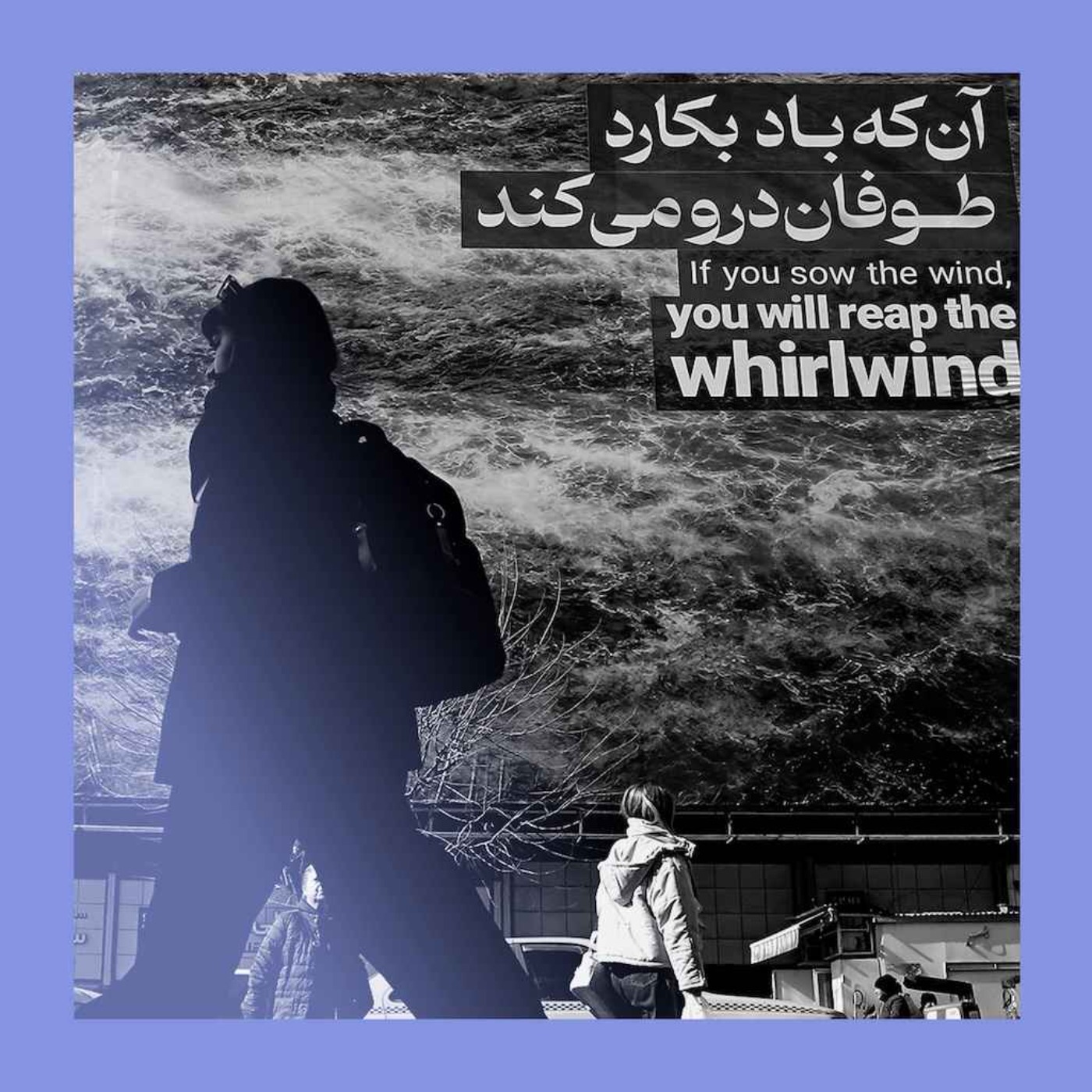
When a government cuts off internet and phone lines during massive protests, as seen in Iran, it's a clear indicator they are trying to conceal the severity of their response from the world. This tactic undermines their own claims of control and reveals a deep fear of international scrutiny.

When people perceive that their political participation is futile and that corporations can simply lobby their way past regulation, they are more likely to support violence. A sense of political efficacy is a powerful antidote to radicalization.

Movements like Serbia's Otpor perfected "dilemma actions," which use humor and theatrics to force authorities into a lose-lose situation. Any response—ignoring the act, making arrests, or even seizing an inanimate object—makes the regime appear absurd, illegitimate, and weak, thereby eroding its power.

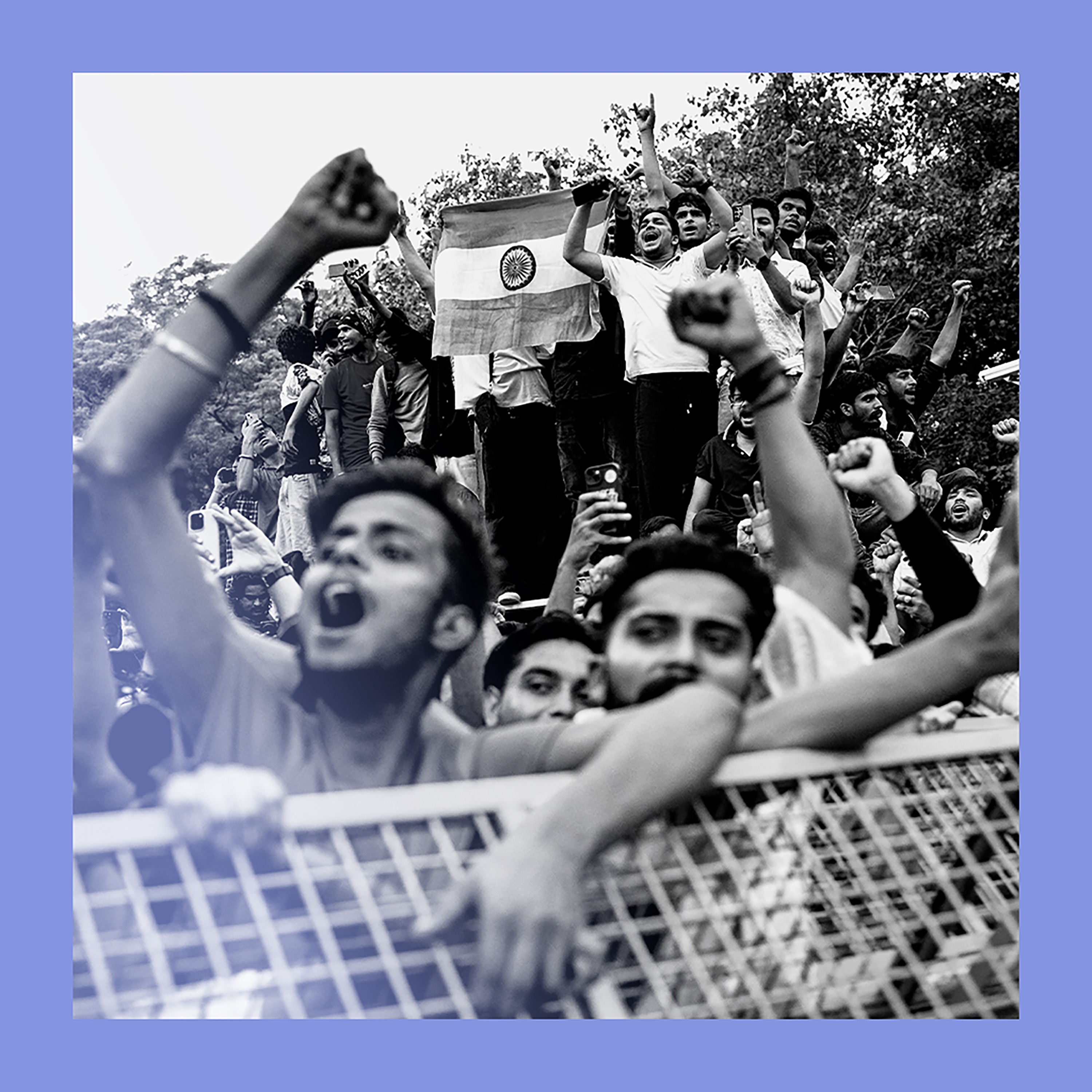
An Indian youth movement responded to Prime Minister Narendra Modi's attempts to placate them not with anger, but with mocking online tutorials on how to create better viral videos. This use of humor and digital savvy bypasses state-controlled media and effectively dismantles a leader's carefully managed, authoritarian image, proving ridicule can be a powerful form of dissent.
The Iranian regime's strategy extends beyond killing protesters; it actively dishonors their memory. By piling up bodies, charging families for their return, and limiting funerals, the state is purposefully humiliating the public, which in turn exacerbates anger and hardens opposition.