Get your free personalized podcast brief
We scan new podcasts and send you the top 5 insights daily.
The Iranian regime's strategy extends beyond killing protesters; it actively dishonors their memory. By piling up bodies, charging families for their return, and limiting funerals, the state is purposefully humiliating the public, which in turn exacerbates anger and hardens opposition.
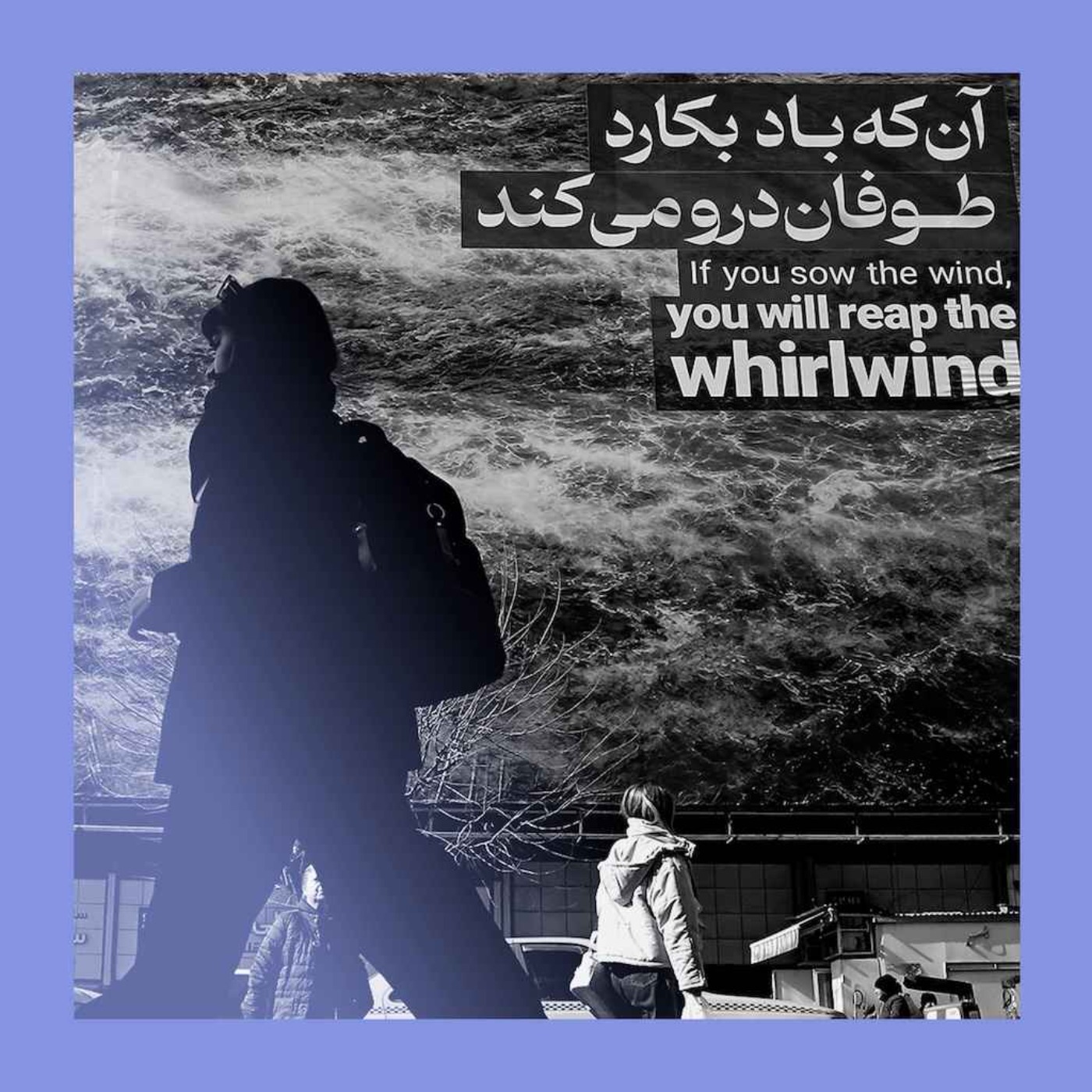
Related Insights
When officials deny events clearly captured on video, it breaks public trust more severely than standard political spin. This direct contradiction of visible reality unlocks an intense level of citizen anger that feels like a personal, deliberate gaslighting attempt.

Shia tradition dictates memorial services 40 days after a death. This created a repeating protest cycle: state violence created martyrs, whose memorials 40 days later sparked new demonstrations, leading to more deaths and more memorials, thereby escalating the conflict.

The intense violence from Iran's regime has eliminated political middle ground. The conflict is increasingly framed as a binary choice between the current Islamic Republic and a restored monarchy, marginalizing moderate voices who advocate for a democratic republic.
With its credibility destroyed by bloodshed, the Iranian regime's only remaining leverage over some citizens is the fear of a chaotic power vacuum. The prospect of a full-blown civil war may convince some to tolerate the current oppression over the alternative of total state collapse.
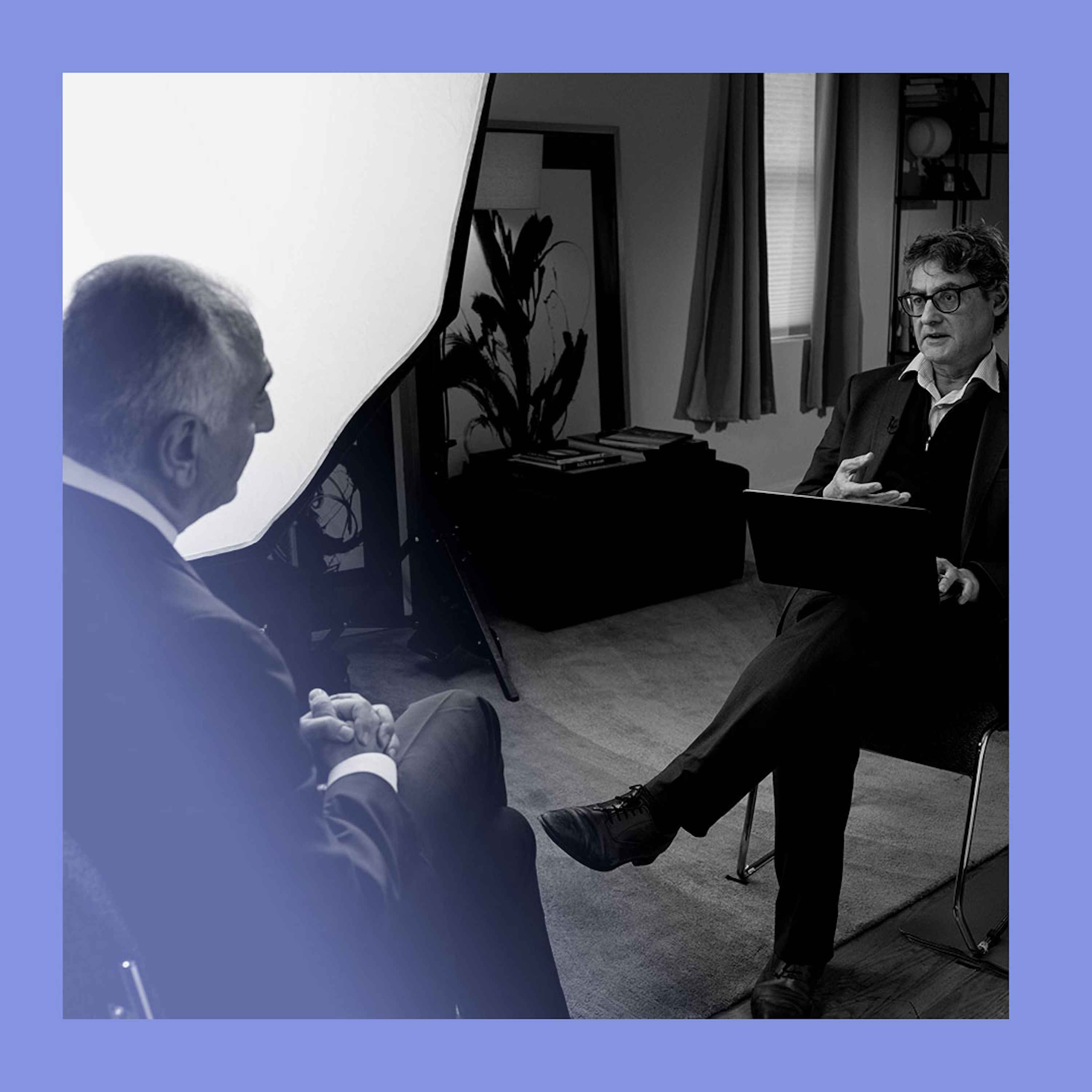
The Shah was seen as a repressive autocrat, yet he was indecisive when confronted with mass protests, partly due to his illness. This politically toxic combination alienated the people through repression while emboldening them through weakness, creating the perfect conditions for his downfall.

When a government cuts off internet and phone lines during massive protests, as seen in Iran, it's a clear indicator they are trying to conceal the severity of their response from the world. This tactic undermines their own claims of control and reveals a deep fear of international scrutiny.

The progression of protest slogans from demanding a vote recount in 2009 ('Where is my vote?') to calling for regime overthrow today ('Death to the supreme leader') indicates a fundamental change. Protestors no longer seek to work within the existing system but aim to dismantle it entirely.

Ayatollah Khamenei believes that any attempt at reform, like Gorbachev's in the USSR, would accelerate the regime's collapse rather than prolong it. This formative experience informs his rigid refusal to cede ground on core principles like the mandatory hijab, ensuring a brutal response to dissent.

Unlike the 2022 protests led by middle-class women over social freedoms, the current unrest is driven by jobless young men—a traditionally pro-regime group—angry about economic collapse. This shift in demographics and motivation makes the government's usual appeasement tactics less effective.
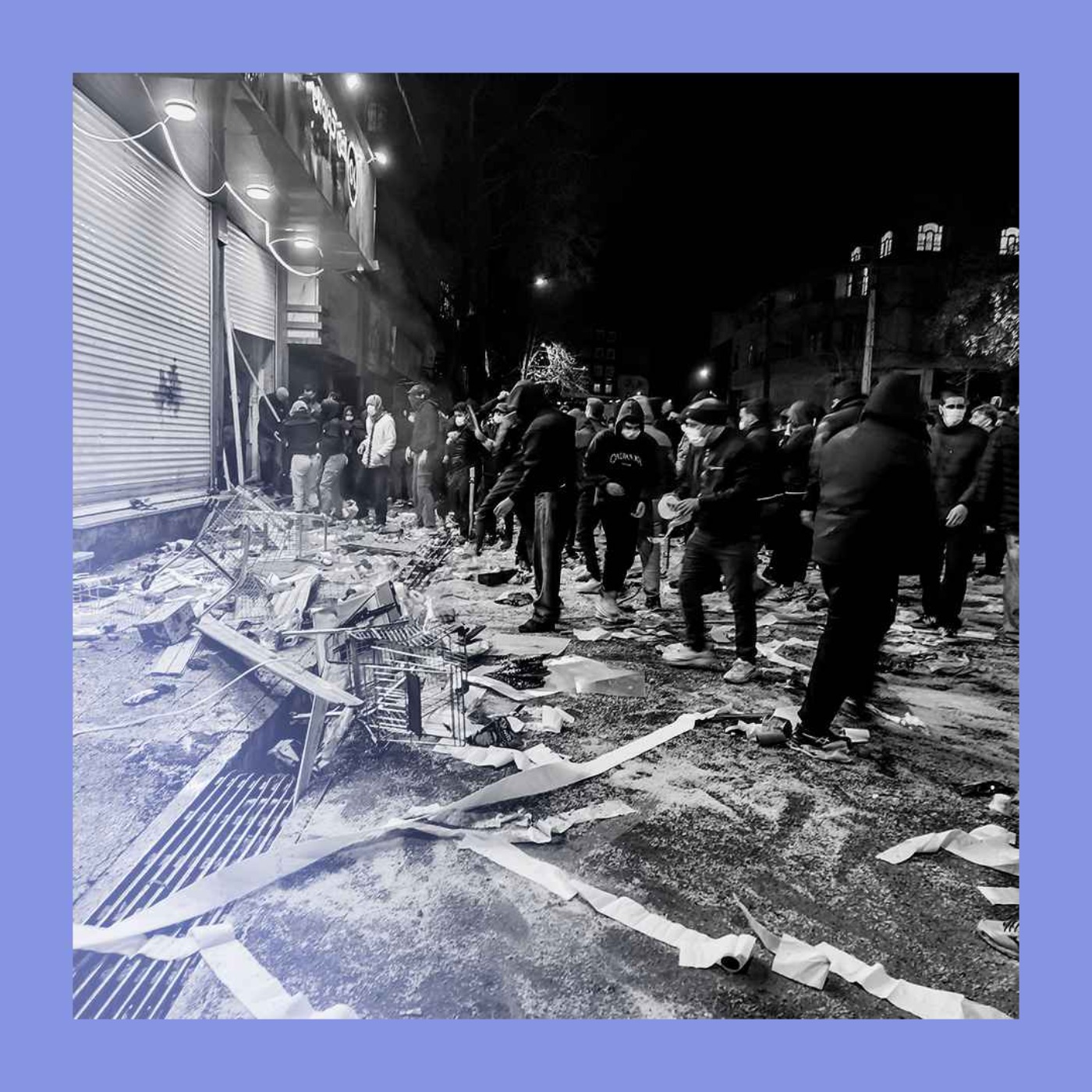
Unlike nascent revolutionary states that rally against foreign attacks, late-stage dictatorships are weakened by military defeats. Iran's recent humiliations by Israel and the US have exposed incompetence and eroded the public's perception of strength, fueling protests and accelerating the regime's demise.