Get your free personalized podcast brief
We scan new podcasts and send you the top 5 insights daily.
Designs like Charlie Munger's windowless "Dormzilla" embody a tech-centric focus on minimizing distractions to maximize output. This philosophy directly contradicts architectural research showing that varied, aesthetically pleasing environments can reduce stress, highlighting a fundamental tension between productivity culture and human well-being.

Related Insights
The biggest downside of remote work isn't lost productivity, but the elimination of serendipity. It removes the chance encounters that lead to friendships, mentorship, and cross-pollination of ideas. For those needing to build a network, the convenience of working from home comes at the high cost of isolation and stunted growth.

A smartphone is a uniquely challenging environment because it acts as a single context for dozens of competing habits—work, social media, games, and news. This blending of cues makes it incredibly difficult to focus on productive tasks, as your brain is simultaneously being primed for distraction.

Modern culture has transformed productivity from a performance metric into a measure of a person's deservingness and identity. This is dangerous because it falsely suggests hard work is the sole variable for success, ignoring systemic factors and harming well-being.

The common feeling of needing to 'detox' from a phone or computer is a sign of a broken user relationship. Unlike a sofa, we can't simply replace it. This aversion stems from devices being filled with applications whose incentives are not aligned with our well-being, a problem AI will amplify.

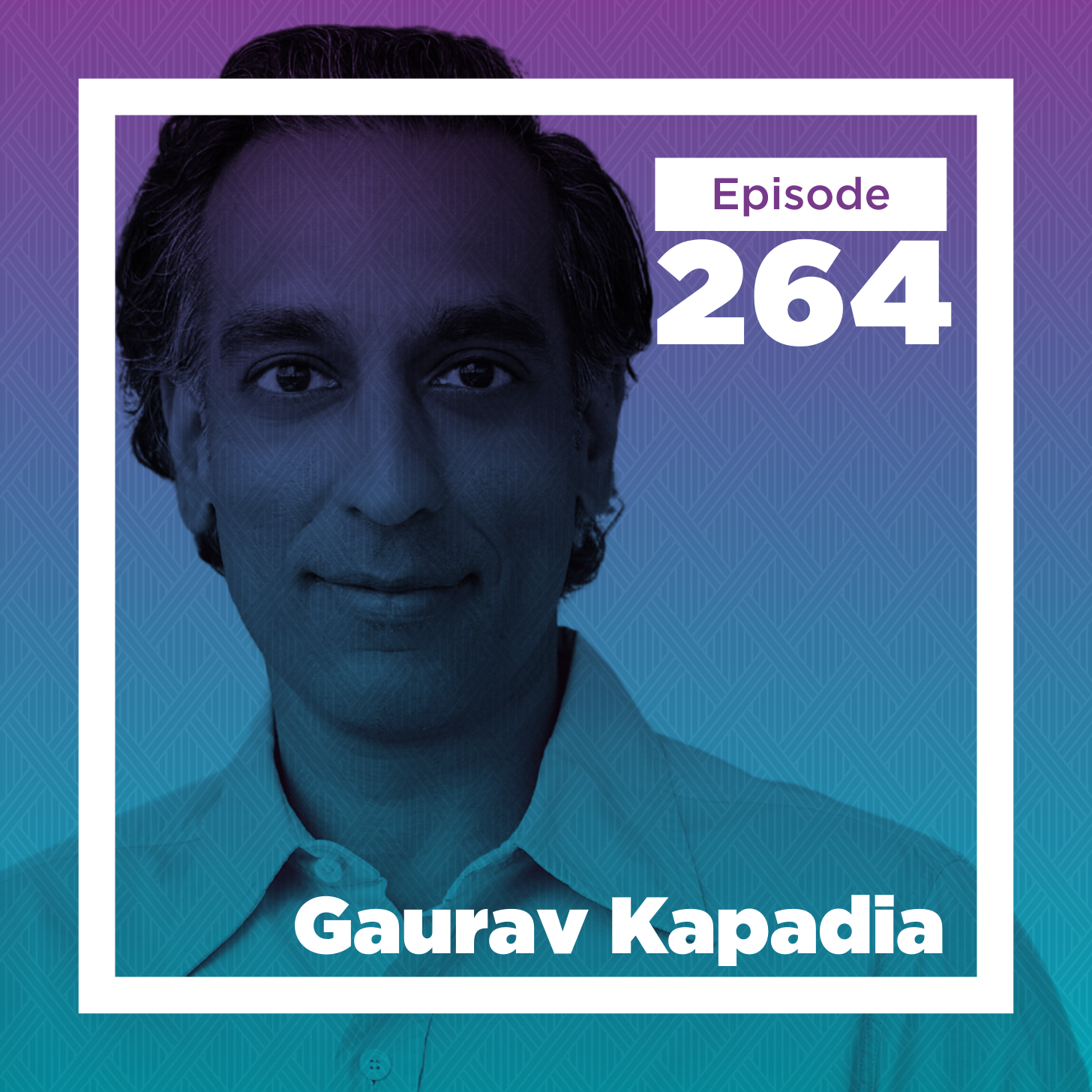
Gaurav Kapadia defends open-plan offices, arguing they are necessary for modern investment analysis. As sectors like software, power, and semiconductors become deeply intertwined, an open layout facilitates the essential, Socratic, cross-disciplinary conversations required to form a coherent investment thesis that would be siloed otherwise.
Gensler's founding principle was to design buildings from the "inside out," prioritizing the user's experience and emotional response within a space over the external aesthetics. This human-centric approach, more common in software UX, dictates their entire process, from team building to client collaboration.

The restorative effects of nature can be accessed even without being outdoors. Studies show that incorporating elements like artificial plants, nature sounds, or nature-themed art into indoor spaces can improve cognitive performance and well-being. This is a practical strategy for 'naturizing' offices, homes, and hospitals.

The narrative that AI-driven free time will spur creativity is flawed. Evidence suggests more free time leads to increased digital addiction, anxiety, and poor health. The correct response to AI's rise is not deeper integration, but deliberate disconnection to preserve well-being and genuine creativity.
![Media M&A - [Business Breakdowns, EP.230] thumbnail](https://megaphone.imgix.net/podcasts/8404be2a-a3c6-11f0-9d01-7b00b28a9d50/image/9a48597af1149c3b024e8d2f7327aa89.jpg?ixlib=rails-4.3.1&max-w=3000&max-h=3000&fit=crop&auto=format,compress)
The design philosophy for the OpenAI and LoveFrom hardware is explicitly anti-attention economy. Jony Ive and Sam Altman are marketing their device not on features, but as a tranquil alternative to the chaotic, ad-driven 'Times Square' experience of the modern internet.

Charlie Munger's controversial proposal for a largely windowless dorm at UCSB exemplifies a purely pragmatic, first-principles approach to problem-solving. By trading windows for private 'pods,' he aimed to solve a housing shortage. The backlash revealed the limits of utilitarian design when it clashes with fundamental, less quantifiable human desires for nature and well-being.
