Get your free personalized podcast brief
We scan new podcasts and send you the top 5 insights daily.
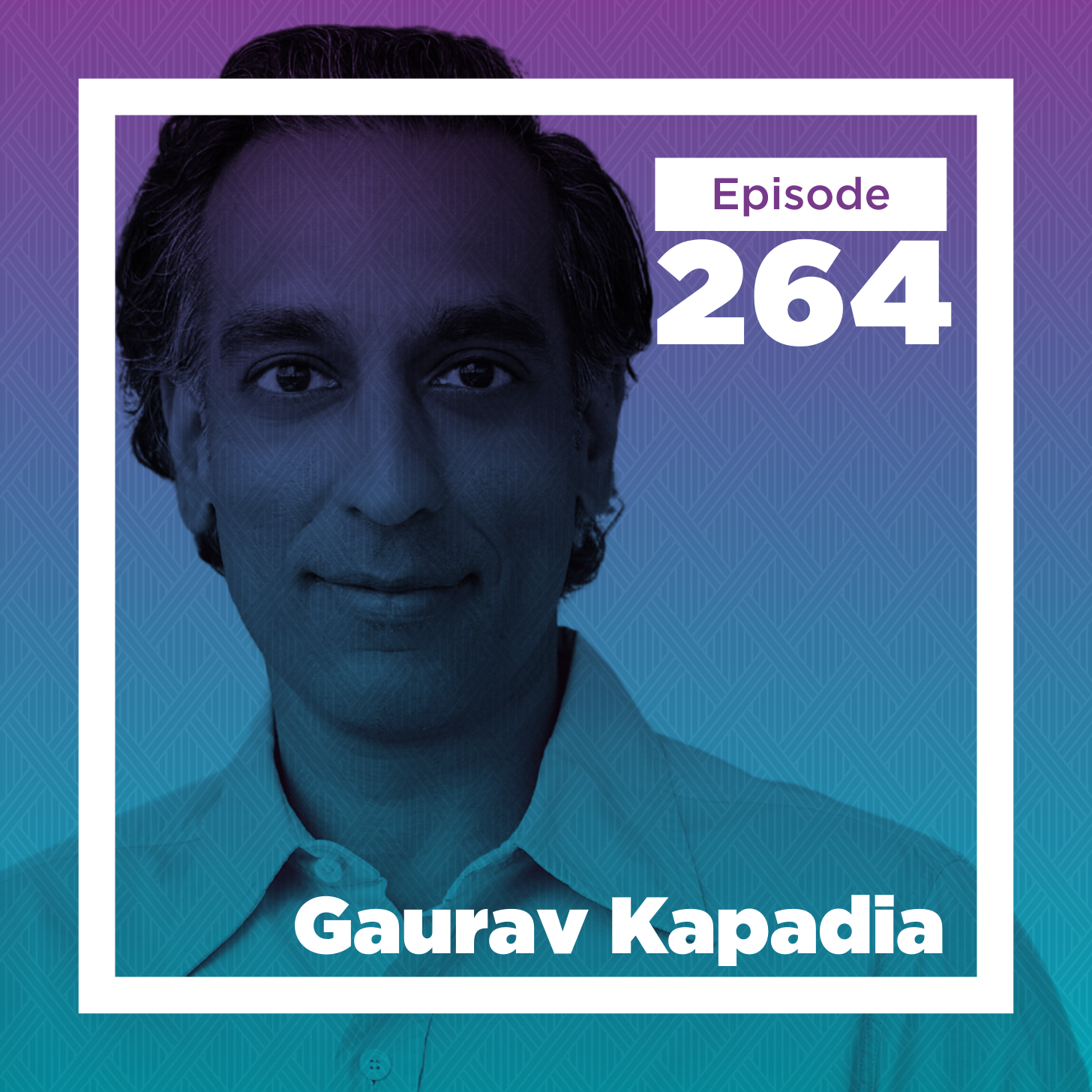
Gaurav Kapadia defends open-plan offices, arguing they are necessary for modern investment analysis. As sectors like software, power, and semiconductors become deeply intertwined, an open layout facilitates the essential, Socratic, cross-disciplinary conversations required to form a coherent investment thesis that would be siloed otherwise.
Related Insights
Alan Waxman saw how 10 siloed Goldman Sachs investing groups made contradictory, costly bets during the 2001 telecom bust. This direct observation of dysfunctional "fiefdoms" led him to build Sixth Street with a mandatory, collaborative "one team" structure to ensure cross-functional insight and avoid repeating those same mistakes.

Beyond productivity, the physical office plays a vital societal role. Gensler's survey data shows it's a primary venue where people form relationships with those outside their immediate demographic (race, age, religion). This makes the workplace a critical tool for fostering social cohesion in an increasingly polarized world.

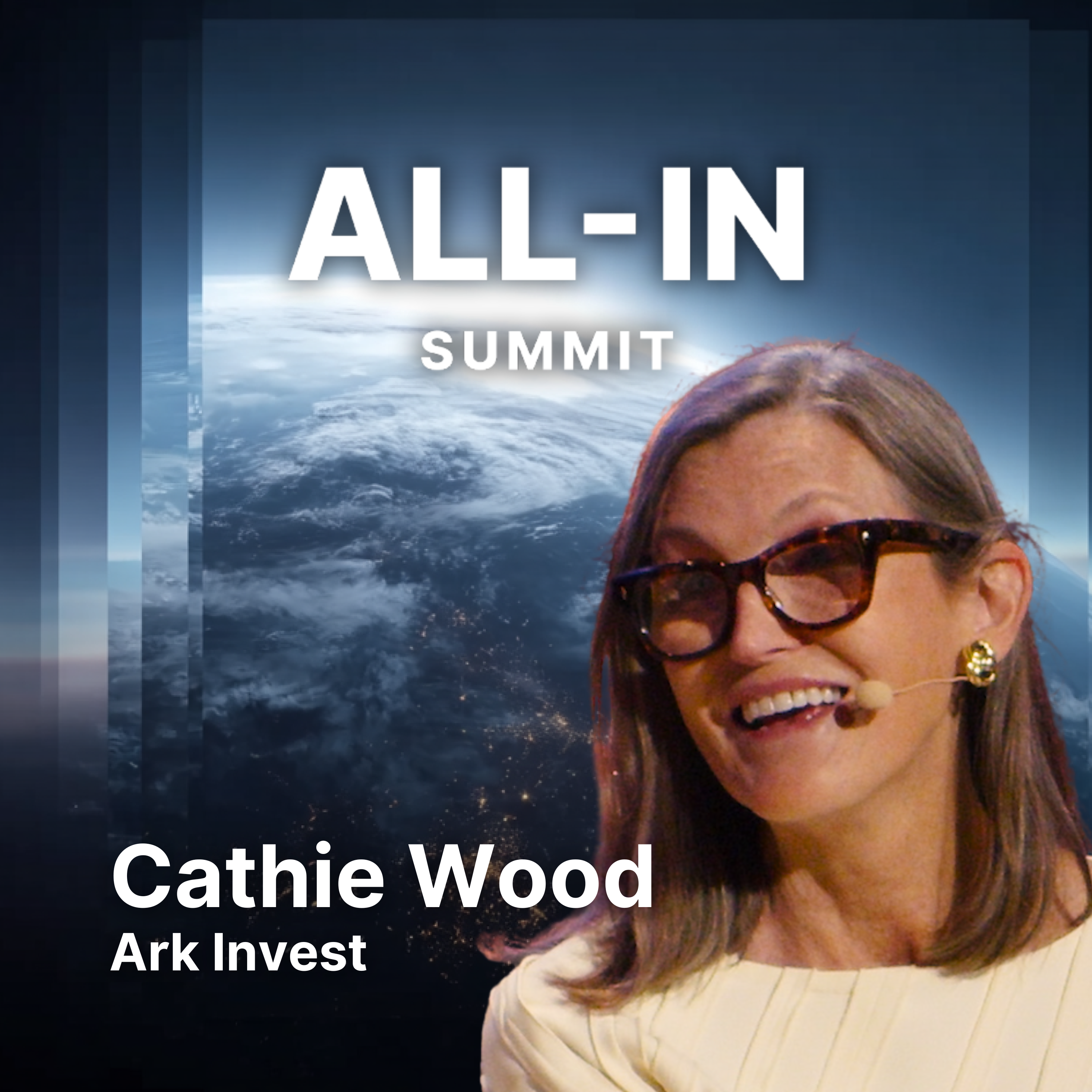
Technology is permeating every industry and blurring the lines between them, making traditional sector-based research obsolete. Wood advocates for structuring investment research departments around foundational technologies like AI, robotics, and blockchain to accurately analyze future growth drivers.
Contrary to popular belief, Gensler's research and internal experience show that younger employees are the most eager to return to the office. They recognize that in-person work is critical for learning, mentorship, and building the "social capital" necessary for long-term career growth.
Apollo deliberately structures its office with a central floor for food and amenities. This forces "casual collisions"—unplanned interactions between employees from different teams—which is crucial for collaboration, innovation, and sustaining a strong culture, especially post-pandemic.

Oshkosh's CVC team is a hybrid, not siloed in one department. It includes members from corporate development, a venture lead in a tech hub (Bay Area), and a counterpart in an engineering business unit. This structure ensures that strategic goals, technological feasibility, and market deal flow are constantly aligned.

Contrary to the remote-first trend, Crisp.ai's founder advises against a fully distributed model for initial product development. He argues for gathering the core team in one physical location to harness the energy and efficiency of in-person collaboration. Distributed teams are better suited for iterating on an already established product.
Gensler's strategy for post-pandemic work is to transform the office into a compelling destination people choose to visit. This involves reducing individual desks in favor of diverse, flexible collaboration spaces that offer experiences and social connections unavailable at home, making the commute worthwhile.
Investor Mark Ein argues against sector-specific focus, viewing his broad portfolio (prop tech, sports, etc.) as a key advantage. It enables him to transfer insights and best practices from one industry to another, uncovering opportunities that specialists might miss.

CZI's Biohub model fosters cross-disciplinary breakthroughs by physically sitting engineers and biologists together. This simple organizational tactic encourages informal communication and collaboration, proving more effective at solving complex problems than formal structures and reporting lines.
