Get your free personalized podcast brief
We scan new podcasts and send you the top 5 insights daily.
Aliko Dangote reveals China's competitive edge in Africa is superior financing. Chinese firms offer attractive supplier credits, such as 20% down with a five-year term, backed by state insurance. This allows African companies to scale projects faster compared to Western firms that often demand full payment upfront.

Related Insights
Unlike American businesses focused on financial metrics, Chinese business leaders often aim for market dominance. This explains their willingness to invest heavily in long-term projects and infrastructure without immediate concern for high profits.
Aliko Dangote argues that emerging markets mistakenly chase foreign capital. The key is for domestic investors to first show confidence by reinvesting heavily in their own economies. This local commitment is the most powerful signal that attracts and de-risks opportunities for foreign investors.
Unlike the US, China expands its influence by offering to build highways, airports, and electrical grids for other nations. This 'soft power' approach, funded by a large trade surplus, has allowed it to gain significant control in regions like Africa without military intervention.

Aliko Dangote posits that a common mistake in emerging markets is seeking foreign investment prematurely. He argues that foreign investors are only truly attracted when they see significant, sustained investment from domestic entrepreneurs, which proves local confidence in the economy.
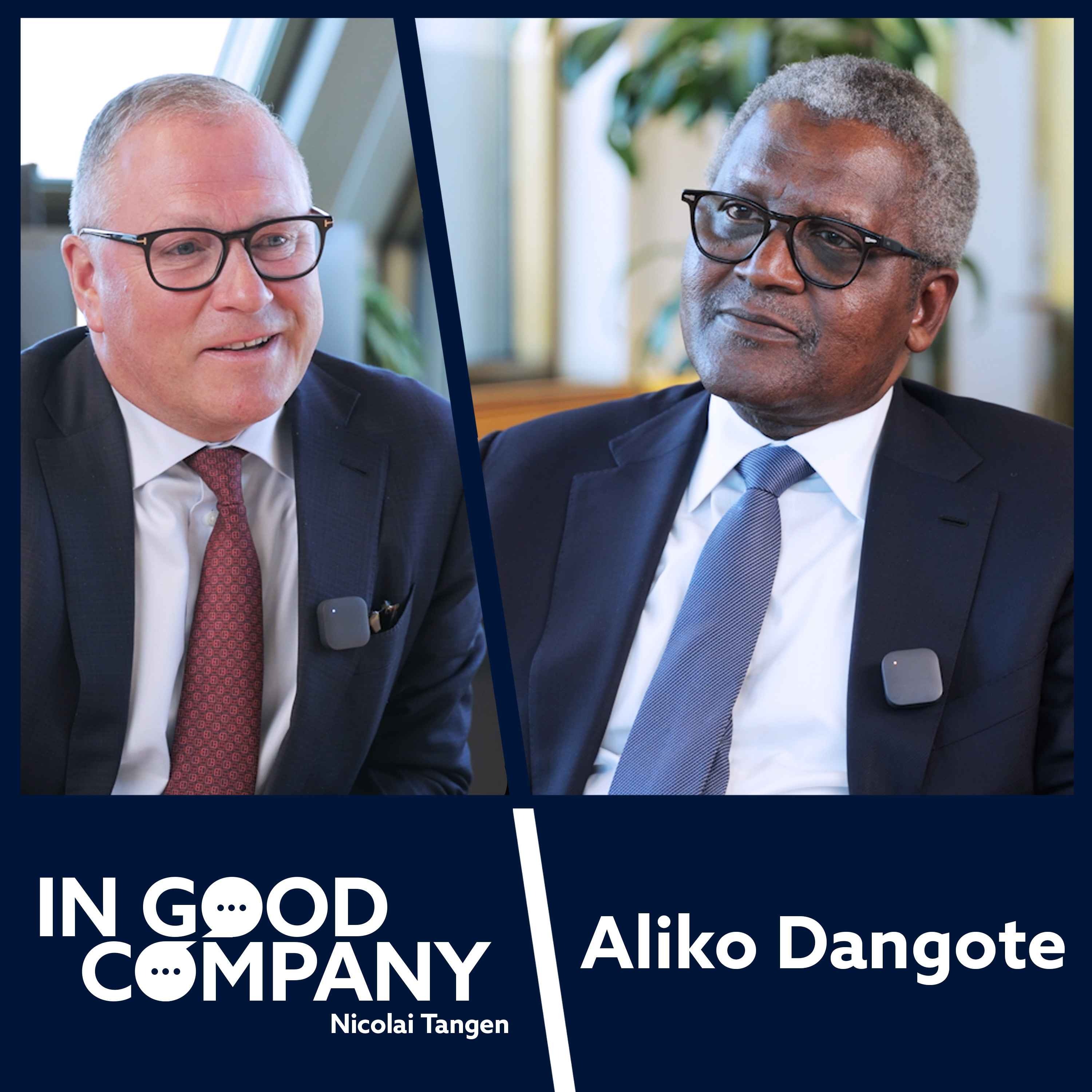
The primary benefit of Aliko Dangote's massive oil refinery for Nigeria is not just influencing prices, but guaranteeing the availability of petroleum products. This creates energy independence and resilience against geopolitical shocks, effectively ending decades of fuel shortages and making the refinery a strategic national asset.
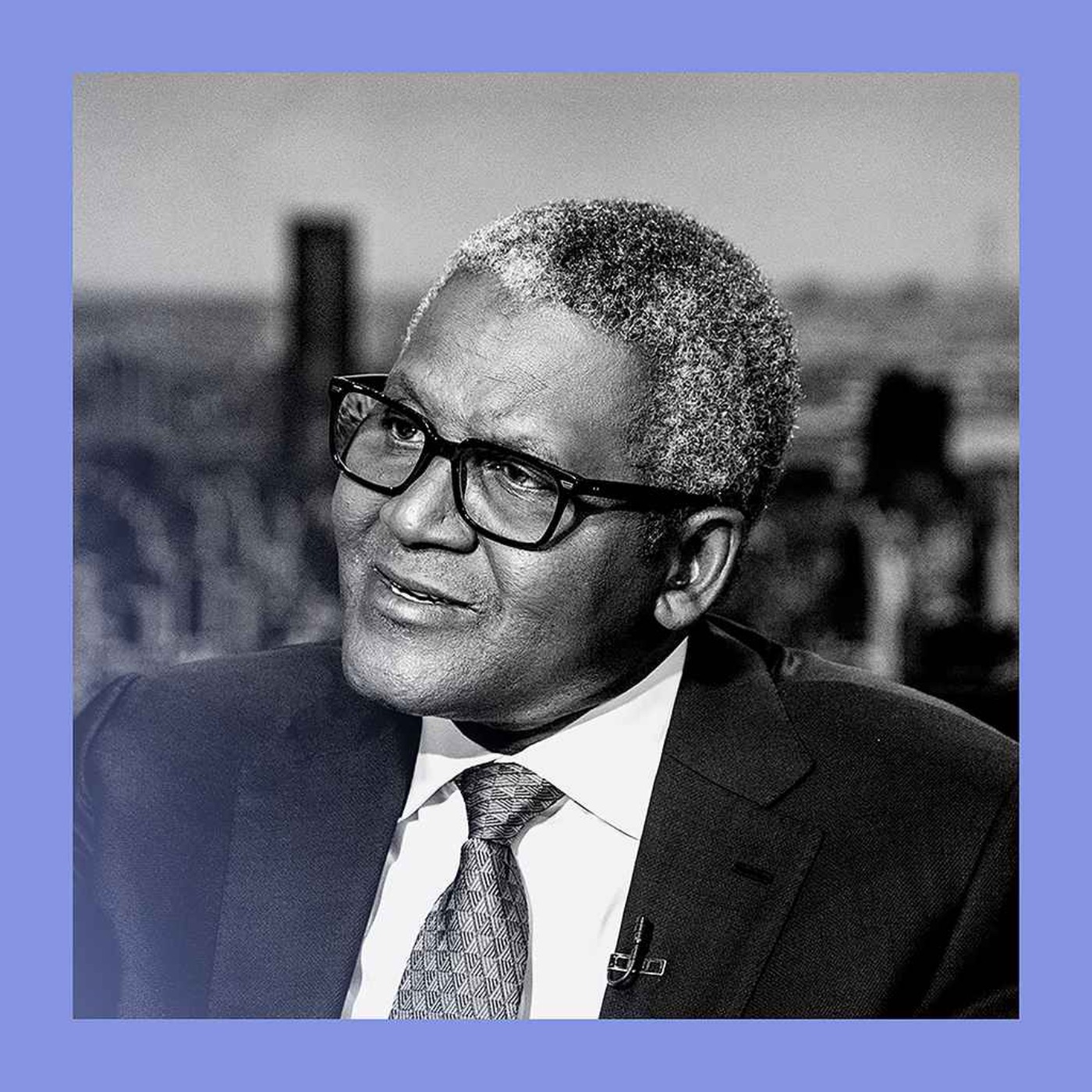
Aliko Dangote builds Africa's industrial capacity using a monopolistic playbook of leveraging political favors and pushing for import bans. With regulators freezing new petrol import licenses, Nigeria's energy security is effectively entrusted to one individual, which may harm consumers in the long term despite current benefits.
As the US competes with China for access to critical minerals in Africa, a new dynamic is empowering host nations. This heightened competition is reportedly making China more agreeable to requests from African governments for local, value-adding processing facilities, a shift from the traditional model of only extracting and exporting raw materials.

According to Dangote, China's business success in Africa stems from its aggressive financing terms. Unlike Western companies that often require full payment upfront, Chinese suppliers offer multi-year credit with small down payments, backed by their state insurance, enabling African companies to leverage capital and grow faster.
To de-risk investment for foreigners wary of local currency volatility, Dangote's new ventures guarantee dividend payments in U.S. dollars. This is made possible by structuring the businesses to generate over 80% of their revenue in dollars through exports, directly addressing a primary friction point for international capital.
Rather than waiting for government action, the Dangote Group proactively builds billions of dollars worth of essential public roads. They then utilize a government policy that allows them to offset these infrastructure costs against their future tax bills, accelerating development while de-risking their own logistics.