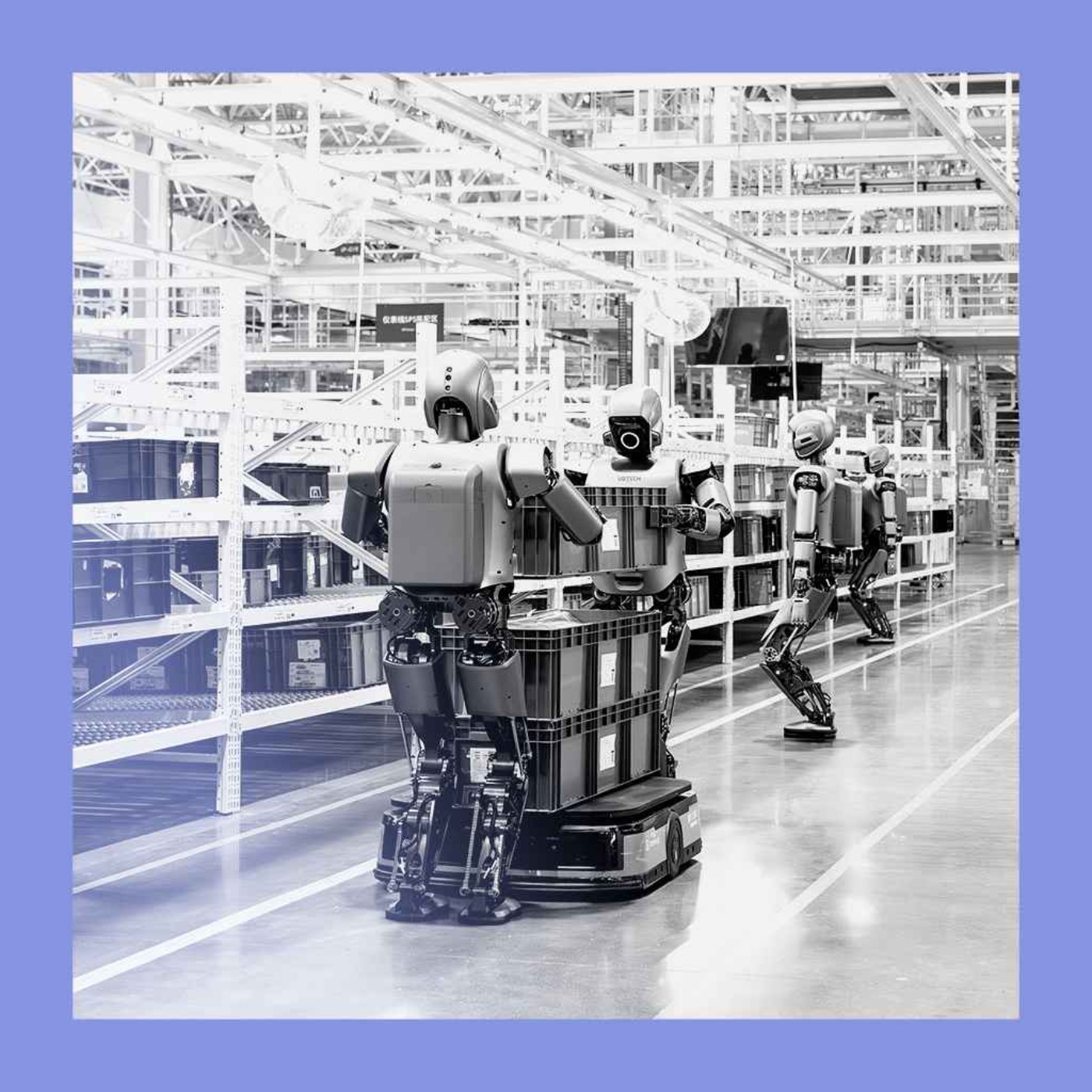
Contrary to common belief, new research suggests the Industrial Revolution's new technologies spread too slowly to cause immediate, widespread job loss. Wages held steady despite rapid population growth, a historically positive outcome. This provides a data-backed counter-narrative to fears of rapid, AI-driven unemployment, suggesting a more gradual transition is likely.
As the US competes with China for access to critical minerals in Africa, a new dynamic is empowering host nations. This heightened competition is reportedly making China more agreeable to requests from African governments for local, value-adding processing facilities, a shift from the traditional model of only extracting and exporting raw materials.
Tech leaders' apocalyptic predictions about AI's impact on jobs might not be solely for hype. This perspective suggests their views are shaped by a lack of historical knowledge about technological adoption and a flawed assumption that average people will engage with technology as deeply as they do, leading to overestimations of disruption speed and scale.
The period that introduced computers and plastics experienced significantly higher job churn than the Industrial Revolution. Yet, it's retrospectively seen as a prosperous era for labor. This historical example challenges the modern assumption that high levels of technological disruption are inherently and immediately negative for the workforce as a whole.
In its strategic effort to counter China's dominance in critical minerals, the US is deploying a more muscular foreign policy. Diplomatic support for countries like Tanzania is now explicitly conditional on progress being made on mining projects involving American firms, directly linking foreign policy to advancing specific corporate interests.