Get your free personalized podcast brief
We scan new podcasts and send you the top 5 insights daily.
Unlike the US, China expands its influence by offering to build highways, airports, and electrical grids for other nations. This 'soft power' approach, funded by a large trade surplus, has allowed it to gain significant control in regions like Africa without military intervention.

Related Insights
Unlike American businesses focused on financial metrics, Chinese business leaders often aim for market dominance. This explains their willingness to invest heavily in long-term projects and infrastructure without immediate concern for high profits.
The strategic competition with China is often viewed through a high-tech military lens, but its true power lies in dominating the low-tech supply chain. China can cripple other economies by simply withholding basic components like nuts, bolts, and screws, proving that industrial basics are a key geopolitical weapon.

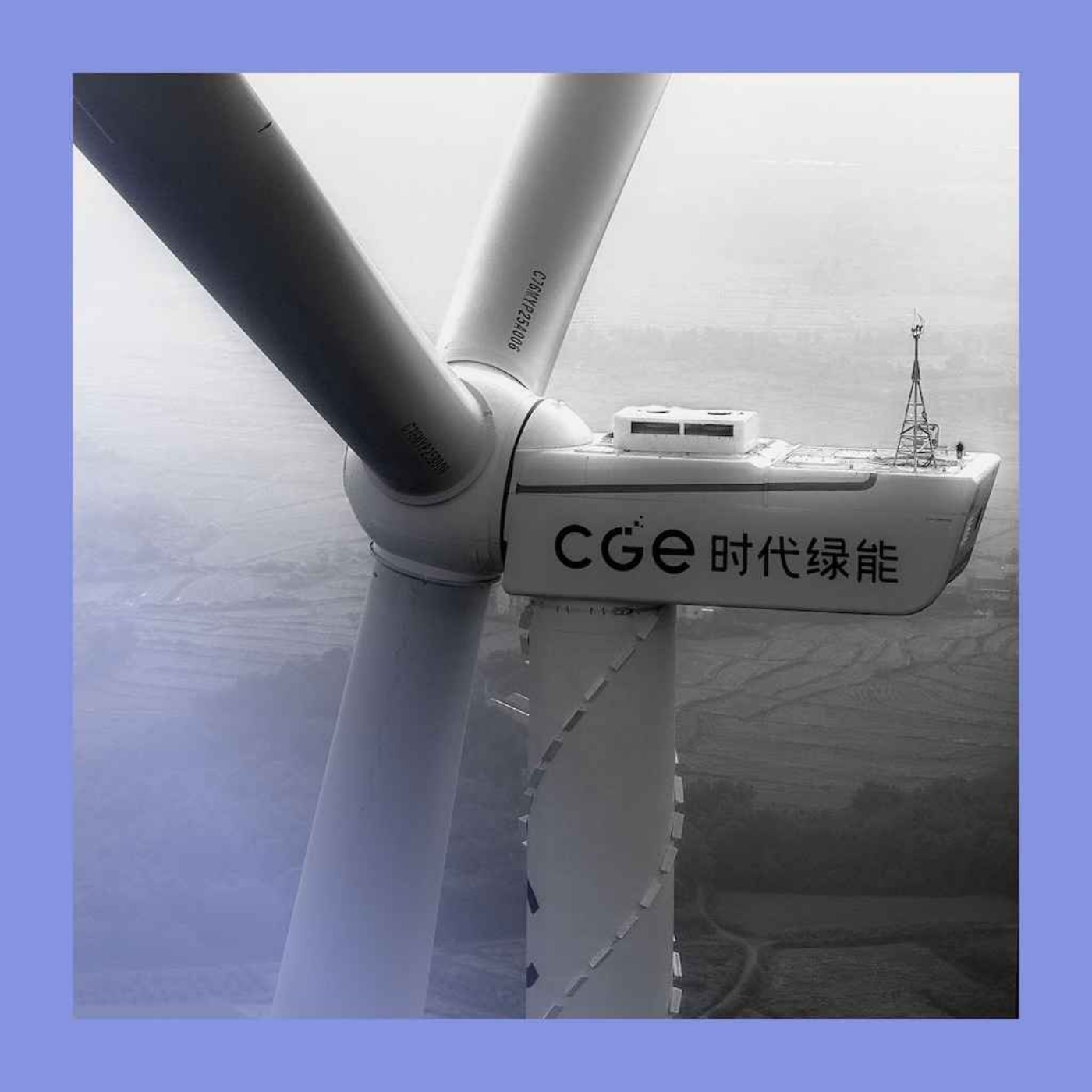
China's investment in green technology is driven less by environmentalism and more by strategic goals. By dominating renewables and EVs, China reduces its dependence on foreign oil—a key vulnerability in a potential conflict with the US—while building global soft power and boosting its GDP through green tech exports.
China's leadership consists primarily of engineers who implement strategic, multi-year plans for infrastructure and technology. This contrasts sharply with the US, where a government of lawyers navigates short-term election cycles, hindering long-term national projects.

Unlike the Soviet Union's missionary zeal to spread communism, China does not want other nations to become Chinese. Its worldview is centered on being the 'Middle Kingdom'—the sun which others orbit. It desires respect and a preeminent position, not to export its political system.

China embraces economic globalization, crediting it for lifting 800 million from poverty. However, it explicitly rejects the "militarized globalization" represented by security pacts like AUKUS or NATO expansion. This differentiates its approach from the Western model, which often intertwines economic integration with shared security and political values.
While the US diminishes its global standing through internal political chaos and attacks on institutions like science and universities, China is capitalizing on the void. The rise of globally recognized Chinese consumer brands like TikTok and BYD helps position China as a more stable and reliable international partner.

From a Chinese perspective, its vast manufacturing capacity, supported by world-class infrastructure, is a global utility. The concept of "Made in China" is reframed as "Made for the World." This view suggests the U.S. should focus on its own strengths like innovation ("zero to one") instead of viewing China's manufacturing prowess ("one to 100") as a national security threat.
While China supports institutions like the UN, its primary strategy for global influence is creating new, economically-focused organizations like the BRICS Bank and regional summits (e.g., China-Africa). This approach builds alternative power centers and economic interdependence with the Global South, supplementing rather than directly challenging the post-war Western order.
China's ascent to a peer competitor wasn't through tanks and missiles. It used factories, ports, and loans to build global influence and absorb technology, capital, and leverage, particularly while the US was distracted by wars in the Middle East.