Get your free personalized podcast brief
We scan new podcasts and send you the top 5 insights daily.
To maintain its strict focus on bandwidth infrastructure, Zayo would isolate non-core businesses from its acquisitions (e.g., a voice service), run them as separate entities with their own P&Ls, and then divest them.

Related Insights
When entering a new market, you must organizationally separate that team from the core business. The main revenue engine has a powerful "inertia of success" that will distract and pull focus from the fledgling initiative. Vanta's enterprise motion only succeeded after being organizationally separated from its main sales team.

A carve-out is not a simple asset transfer but the creation of a new, independent company. This process involves establishing entirely new IT, security, payroll, and benefits systems, which are often deeply entangled with the parent company's infrastructure and require significant time and resources to stand up.
Zayo's founder, Dan Caruso, built his M&A thesis on acquiring profitable but non-strategic fiber businesses—'fiber orphans'—held by 'accidental owners'. While the market considered all fiber assets toxic post-bust, these small operators were cash-flow positive. This contrarian insight allowed Zayo to consolidate undervalued, performing assets before competitors recognized the opportunity.
A powerful filter for any potential acquisition is asking: 'If this were the last business we could ever buy, would we still want to own it?' This simple question forces a long-term, operational mindset and helps avoid deals that rely on future exits or financial engineering.

Adding new offerings is a smart growth strategy, but only if your primary business is stable and systemized. Launching a new service to escape existing chaos will only amplify it. Instead, treat the new offering as a separate, dedicated division to maintain focus and quality.

Despite owning multiple related businesses (e.g., in video), Bending Spoons deliberately avoids forcing synergies like cross-selling or bundling. They believe the value lost in organizational agility, ownership, and speed far outweighs the small potential revenue gains. This 'Procter & Gamble for tech' model allows each brand to operate with startup-like autonomy, preserving its unique value.

Blockworks shut its news division not just for focus, but because it couldn't give the journalists the top-level attention they deserved. Keeping a deprioritized unit starves its talented employees of resources and opportunity, making it better to let them go where they can be a primary focus.

To avoid cultural dilution post-acquisition, the smaller company can maintain its identity by operating as a separate business entity within the larger organization. This allows them to preserve unique operational cadences and internal collaboration models, like Splunk's 'village' approach, amidst the broader integration process.

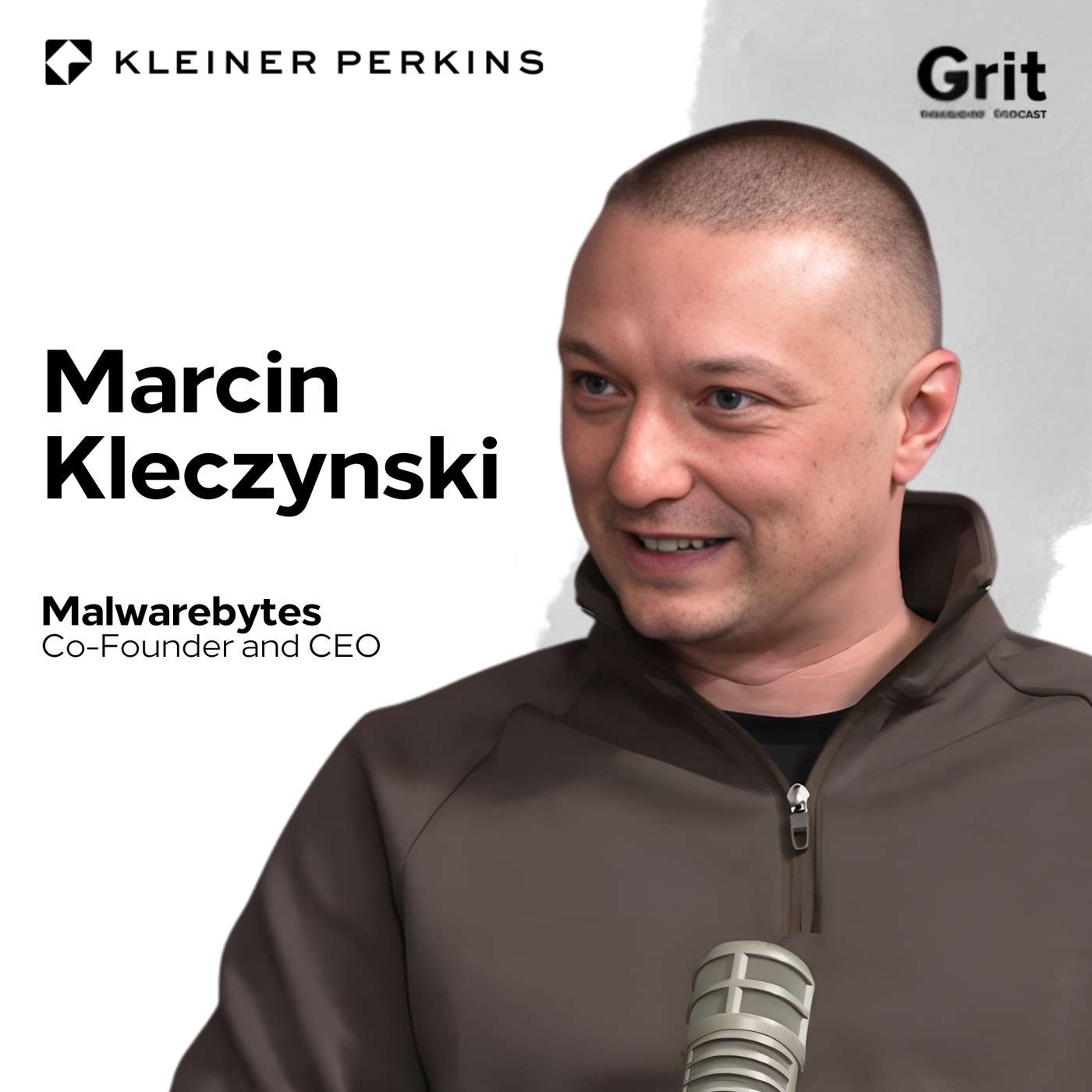
The company's growth stalled while trying to serve consumers and businesses with one team and brand. They made the difficult decision to separate into two distinct businesses, Malwarebytes (consumer) and ThreatDown (B2B), each with its own leadership, which revitalized focus, profitability, and growth.
After making 13 acquisitions, Deel's CEO learned that the deals that didn't work well were those approached with a 'why not?' attitude. These were often opportunistic plays on adjacent but non-core businesses. Now, he has a simple filter: if an inbound acquisition opportunity isn't an immediate and enthusiastic 'hell yeah,' he passes, avoiding the distraction and integration challenges.