Get your free personalized podcast brief
We scan new podcasts and send you the top 5 insights daily.
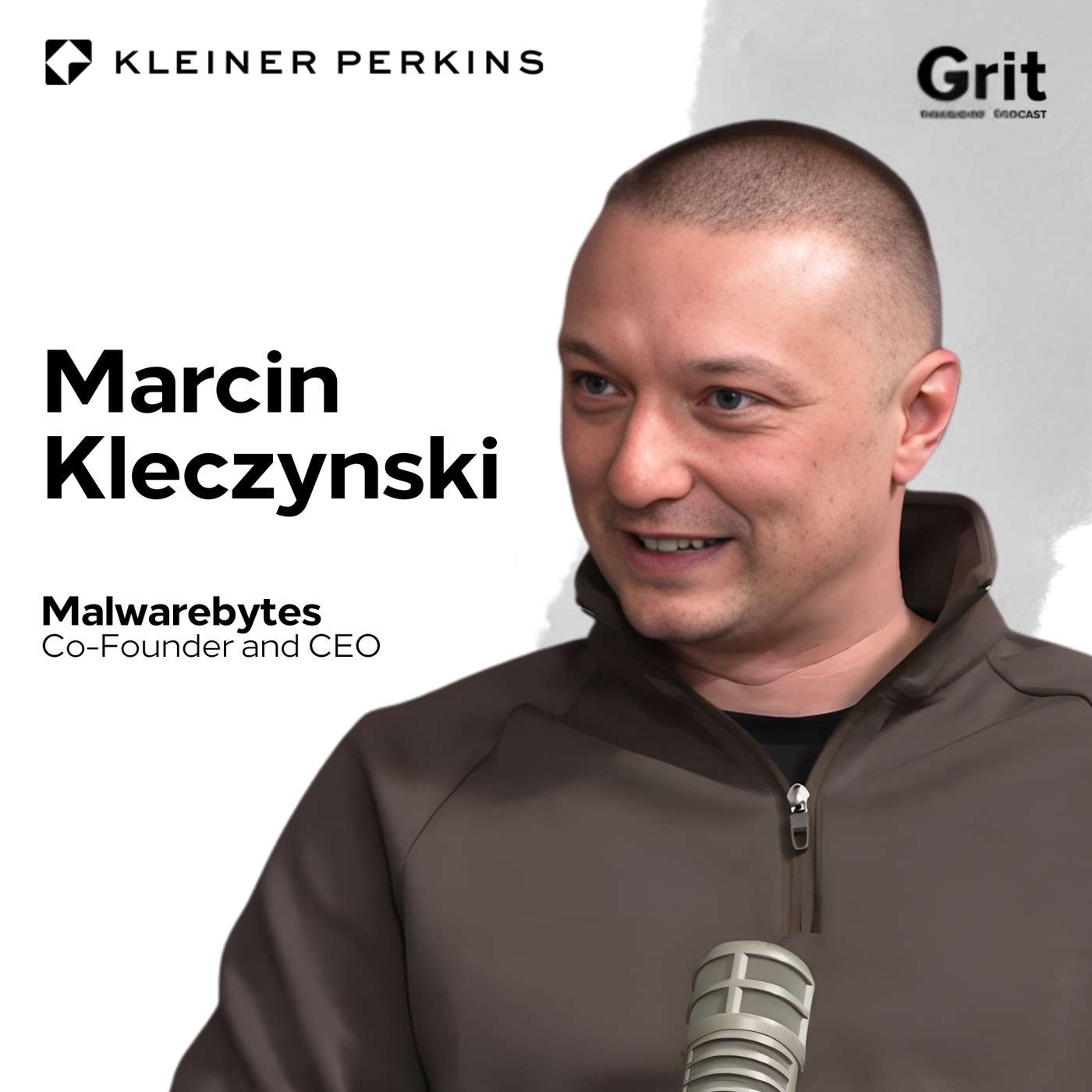
The company's growth stalled while trying to serve consumers and businesses with one team and brand. They made the difficult decision to separate into two distinct businesses, Malwarebytes (consumer) and ThreatDown (B2B), each with its own leadership, which revitalized focus, profitability, and growth.
Related Insights
Spreading efforts across startups, SMBs, and enterprises created confusing signals. A deep dive into metrics revealed enterprises, despite being a smaller revenue portion, showed the highest expansion potential, prompting a decisive focus that unlocked growth.

When entering a new market, you must organizationally separate that team from the core business. The main revenue engine has a powerful "inertia of success" that will distract and pull focus from the fledgling initiative. Vanta's enterprise motion only succeeded after being organizationally separated from its main sales team.

A company with modest growth experimented with niche content for a small user segment, revealing a massive, underserved market. This led to a second, separate app that quickly surpassed the original product's revenue and drove hyper-growth, challenging the "focus on one thing" dogma.

To reignite growth, Supercell created two distinct operating models. Teams managing existing hit games adopted a 'scale-up' playbook, focusing on iteration with larger teams. Teams developing new titles operated like independent 'startups,' focused on high-risk innovation with small, agile teams.

Adding new offerings is a smart growth strategy, but only if your primary business is stable and systemized. Launching a new service to escape existing chaos will only amplify it. Instead, treat the new offering as a separate, dedicated division to maintain focus and quality.

Despite owning multiple related businesses (e.g., in video), Bending Spoons deliberately avoids forcing synergies like cross-selling or bundling. They believe the value lost in organizational agility, ownership, and speed far outweighs the small potential revenue gains. This 'Procter & Gamble for tech' model allows each brand to operate with startup-like autonomy, preserving its unique value.

Vercel created a separate business unit for its AI tool, V0, because it targets a different audience (PMs, designers) and needed to operate with extreme speed, unburdened by the decision-making processes of the larger 700-person parent company.

Password manager 1Password reached over $400M in annual recurring revenue while remaining profitable since inception. This durable growth was achieved by leveraging its strong consumer brand to expand into the B2B market, which now accounts for nearly 80% of its business from 180,000 customers.

In a multi-product company, horizontal teams naturally prioritize mature, high-impact businesses. Structuring teams vertically with P&L ownership for each product, even nascent ones, ensures dedicated focus and accountability, preventing smaller initiatives from being starved of resources.

Rather than making an abrupt turn, Sure managed its pivot from a B2C app to a B2B platform gradually. They kept the original mobile app running while they built and validated the new B2B distribution model, only sunsetting the app once the new strategy proved viable and began to ramp up.
