Get your free personalized podcast brief
We scan new podcasts and send you the top 5 insights daily.
The romanticized myth of the chaotic, self-destructive artist (e.g., Bukowski) is harmful. It incorrectly links creativity with debauchery, deterring otherwise talented individuals who don't want to live a reckless life from pursuing their creative ambitions, thus impoverishing the culture.
Related Insights
The official cause of Tchaikovsky's death—cholera from unboiled water—is often rejected in favor of suicide conspiracies. This reflects a cultural discomfort with a celebrated artist dying from a mundane disease, preferring a narrative that aligns with the romanticized image of a tortured genius.

Contrary to the myth of the tortured artist, a boring and stable personal life provides the foundation for extraordinary creative work. Routines and discipline, rather than chaos and constant excitement, allow creators to focus their energy and produce exceptional work product.
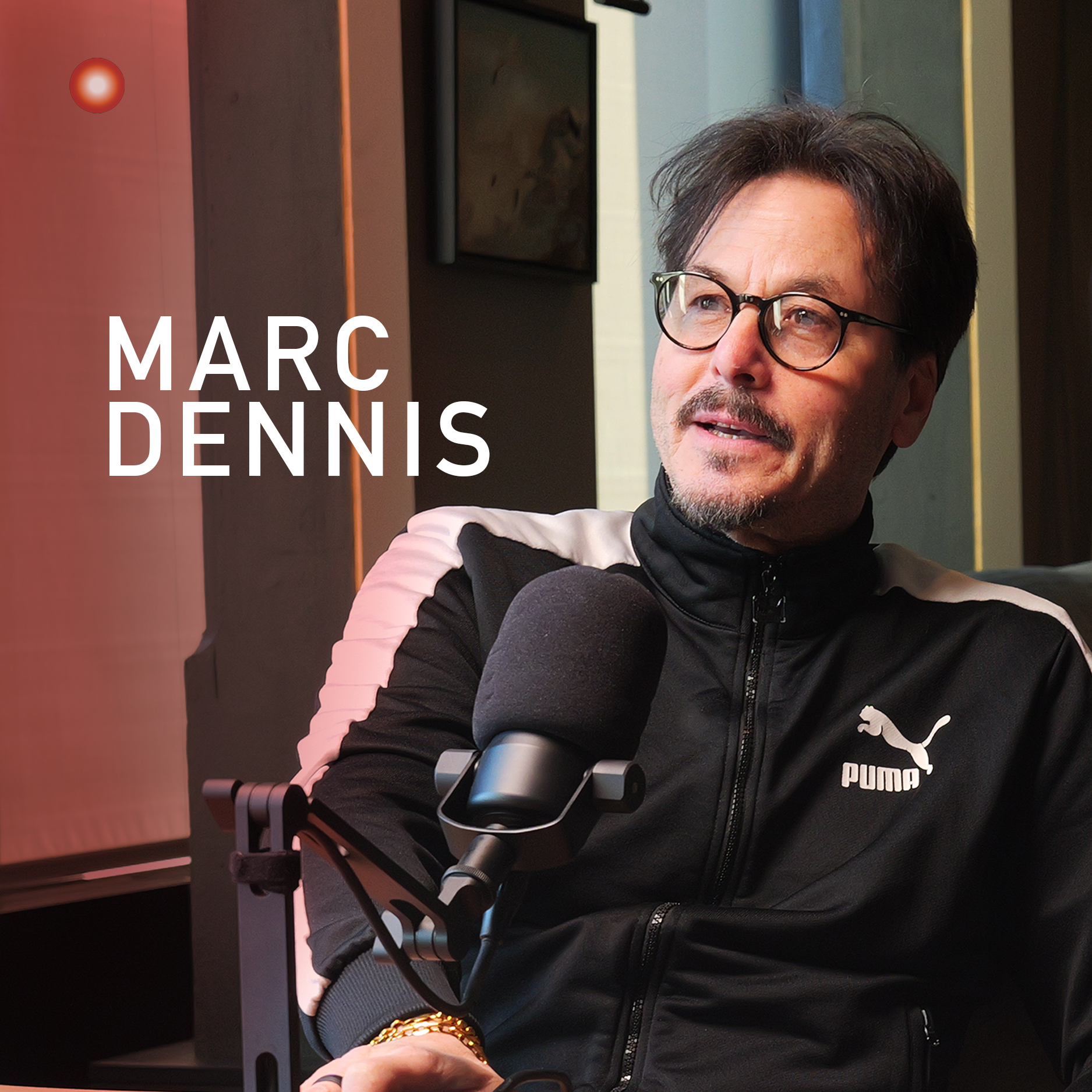
Instead of offering a formula for success, artist Marc Dennis tells aspiring creatives that the key to failure is trying to please everyone. True artistic success requires finding and staying true to a unique voice, even if it disappoints others' expectations or preconceived notions.
People surrounding a so-called genius, like Picasso's friends or employees at cult-like startups, often tolerate terrible behavior. They rationalize the unpleasantness by telling themselves they are part of an extraordinary, history-making experience, which creates a toxic enabling environment.

The crisis among young men stems from a societal narrative that pathologizes their core biological impulses. Traits like aggression, dominance, and ambition, which are natural drivers, are now deemed toxic. This creates internal conflict and a sense of worthlessness, contributing to 'deaths of despair.'

Society elevates pursuing passion to a moral good, which makes people feel they are 'bad' if they don't have one or choose to leave one. This pressure can trap individuals in unsuitable roles and denigrates other valid, meaningful life paths.

Author Shannon Hale champions making "bad art" to foster genuine creativity. The act of creating, regardless of the output's quality, develops the brain and nurtures a love for the process. This is especially vital now, as AI threatens to replace creative opportunities for developing minds.
As creators become successful, their comfortable lives can create a 'relatability crisis,' severing their connection to the struggles that fuel their art. To combat this, they must consciously 'pick open some scabs' from their past. Revisiting old heartbreaks, failures, and traumas becomes a necessary tool for finding authentic, resonant material when current life lacks friction.

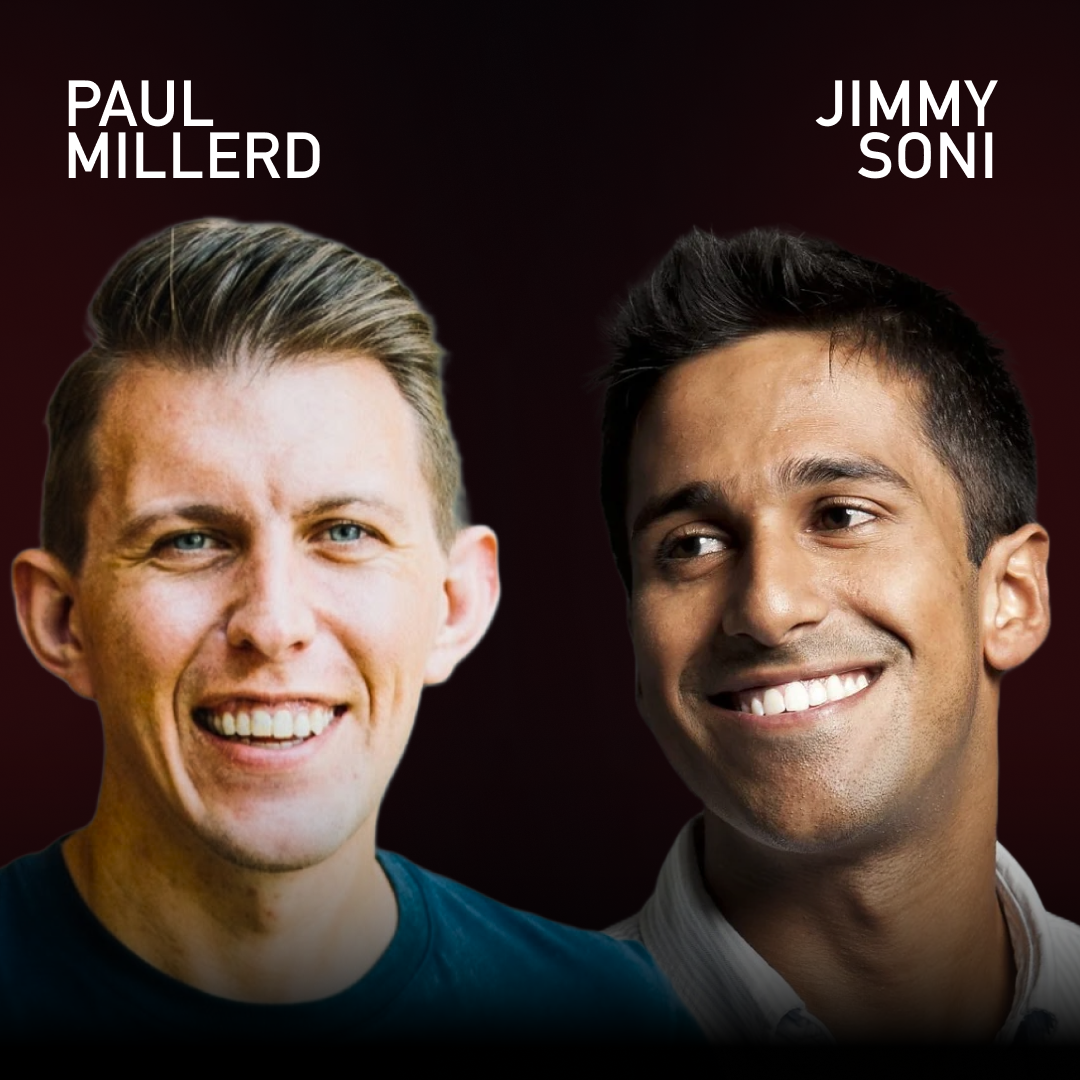
Miller refutes the idea that alcohol aided his creativity. In hindsight, he states it did him "nothing" good. Sobriety helped him realize that what he perceived as creative fuel was simply misdirected anger, and that clear-headed focus is a far more productive and powerful state for creating art.

A listener running an art company described how her calling leads her to risk her health (heavy metal exposure) and live on a few dollars a week. This illustrates how an intense calling can verge on obsession, making extreme personal sacrifices feel necessary and unavoidable.