The old publishing mindset of competing against other books is obsolete. In the digital age, authors collectively compete for attention against platforms like TikTok and Netflix. Therefore, promoting other books is a positive-sum activity that grows the entire market of readers.
In traditional publishing, the size of an author's advance is a direct indicator of the publisher's internal commitment. Large advances force publishers to allocate top resources to ensure success, while smaller advances result in minimal effort and attention for the book.
Publishers often reject projects from their own successful authors if they deviate from a proven genre. This 'stay in your lane' mentality prioritizes predictable revenue over an author's creative evolution, which can be psychologically damaging and lead to great works never being created.
The ultimate goal for a creative should not be maximizing short-term reach, but protecting their energy to ensure they can continue creating for years. Unlike business spreadsheets, your personal desire and capacity to 'keep playing the game' is your most valuable, non-negotiable asset.
The romanticized myth of the chaotic, self-destructive artist (e.g., Bukowski) is harmful. It incorrectly links creativity with debauchery, deterring otherwise talented individuals who don't want to live a reckless life from pursuing their creative ambitions, thus impoverishing the culture.
Contrary to the myth that children hinder art, becoming a parent can be a powerful productivity accelerant. The severe time constraints force a creator to become incredibly disciplined and efficient, leading to more focused and prolific output during the limited windows available for work.
Instead of viewing a lowball offer from a traditional publisher as a failure, treat it as validation of your work's potential. Use that energy to 'double down' on self-publishing, competitively aiming to create a product superior to what they would have offered.
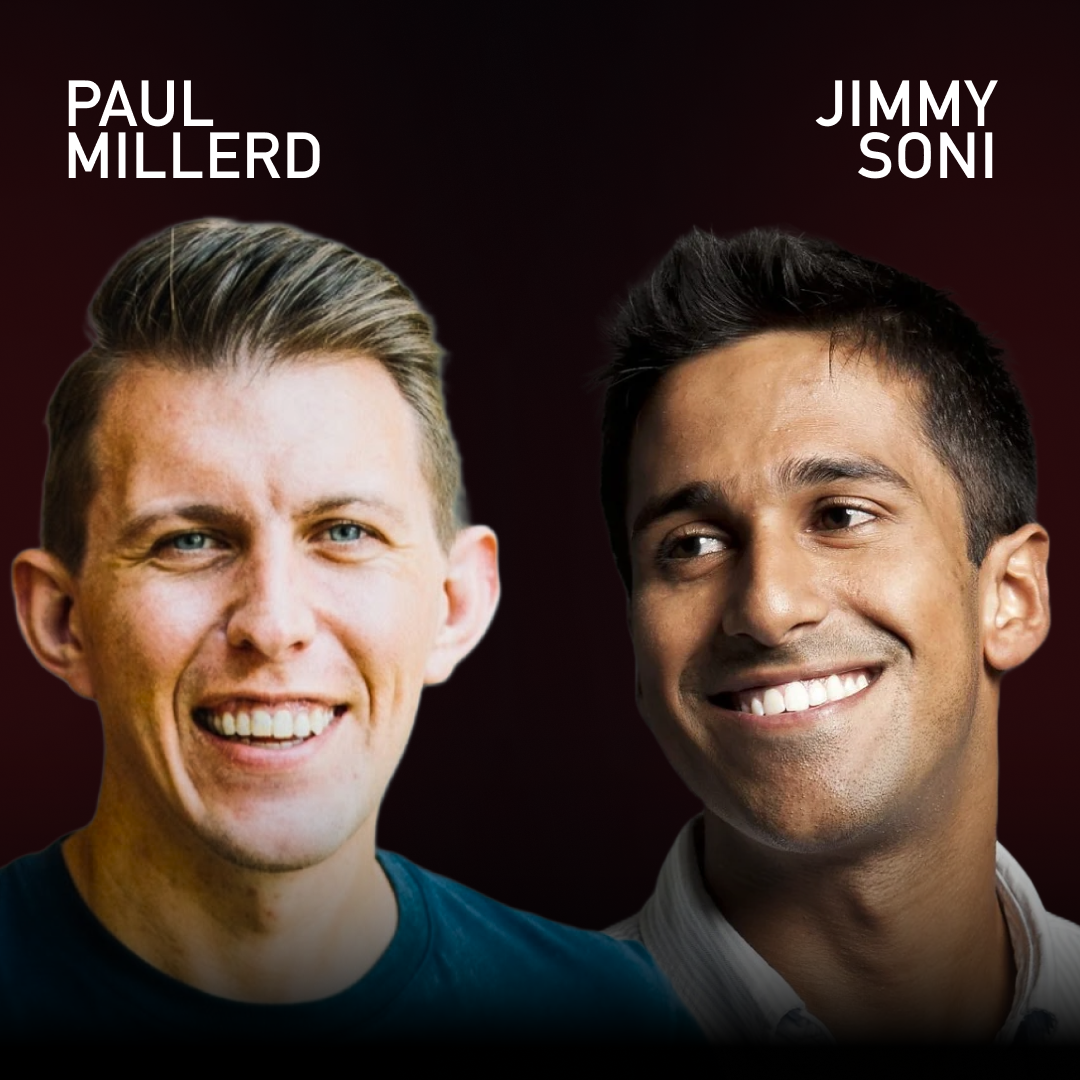
To create a truly extraordinary product, you must temporarily suspend traditional ROI calculations. Author Paul Millerd intentionally ignored his 'MBA brain' to build the 'sexiest book,' prioritizing creative excellence over immediate financial justification, betting that quality would pay off long-term.
Highly driven creative individuals often don't have traditional friendships. Instead, they cultivate connections with 'like minds'—people equally obsessed with their craft. These relationships, like Kobe Bryant described, are built on deep, infrequent conversations about work, not conventional social obligations.
Traditional publishers struggle with entrepreneurial authors who market their own work. The publishers' standard 'trust us' approach fails to articulate a clear value proposition, making self-publishing a more attractive and logical path for authors with business acumen.
The publishing industry's restrictive and often unsupportive model generates 'cynicism at scale.' This pushes talented writers, who feel stifled or abandoned, toward platforms like Substack where they can maintain creative control and build a sustainable career on their own terms.
Contrary to the myth of the tortured artist, a boring and stable personal life provides the foundation for extraordinary creative work. Routines and discipline, rather than chaos and constant excitement, allow creators to focus their energy and produce exceptional work product.