Get your free personalized podcast brief
We scan new podcasts and send you the top 5 insights daily.
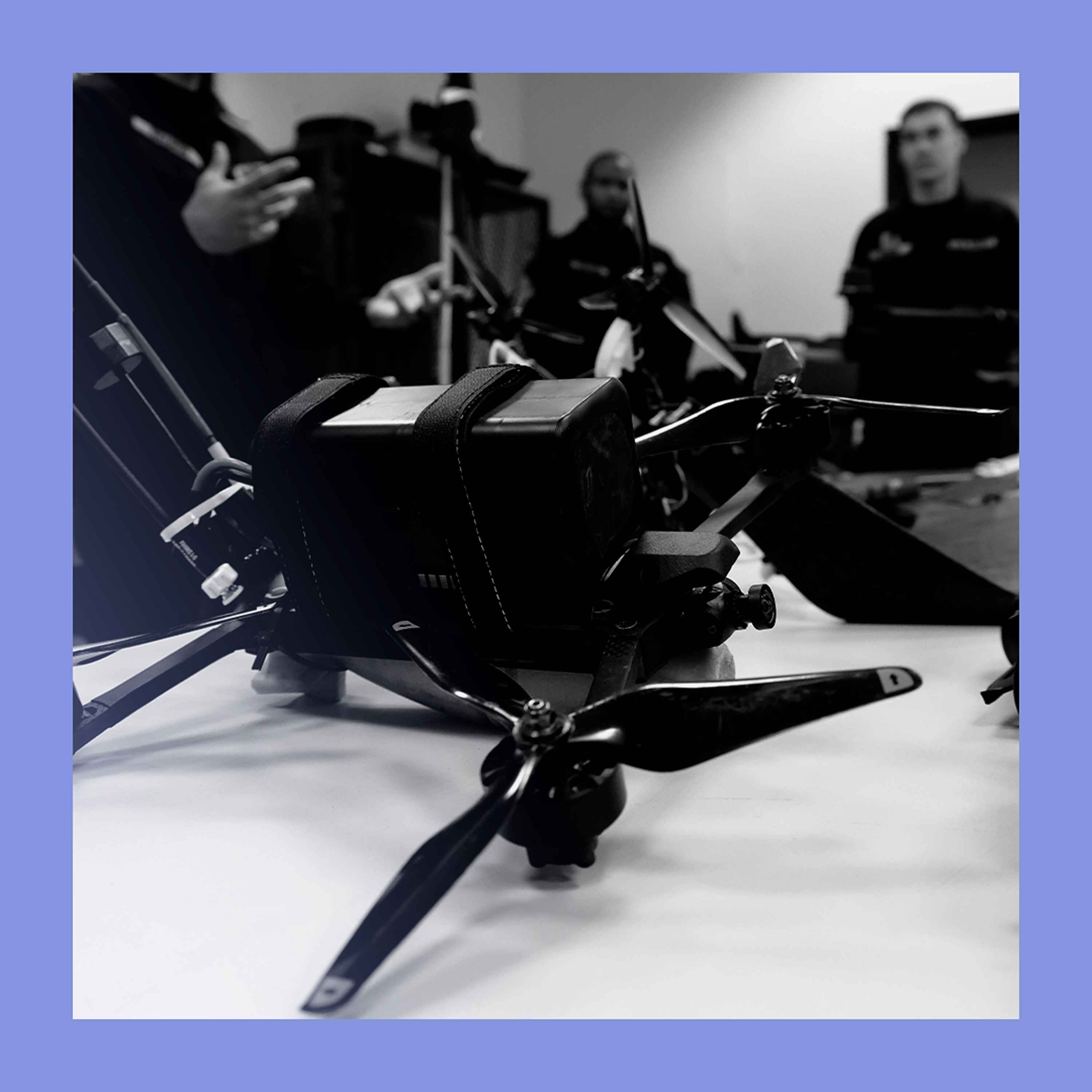
GovTech startup Kaizen built a two-way e-commerce marketplace for the Pentagon's counter-drone unit in just nine weeks. This "Shopify for drones" allows OEMs to sell directly to the military, state law enforcement, and allied nations, drastically cutting the slow, complex procurement process for critical defense hardware.

Related Insights
To attract innovation, the DoD is shifting its procurement process. Instead of issuing rigid, 300-page requirement documents that favor incumbents, it now defines a problem and asks companies to propose their own novel solutions.

A new category of agile tech companies is winning major defense contracts by offering cheaper, software-driven, and nimbler solutions like drones and AI, directly challenging established giants like Lockheed Martin.
The Pentagon's notoriously slow, paperwork-heavy acquisition process is being dismantled by new leadership. This shift prioritizes rapid product delivery over bureaucratic process, creating an unprecedented opportunity for agile tech startups to enter the massive defense market.

A major shift in government procurement for space defense now favors startups. The need for rapid innovation in a newly contested space environment has moved the government from merely tolerating startups to actively seeking them out over traditional prime contractors.

The Pentagon is moving away from decades-long, multi-billion dollar projects like aircraft carriers. The new focus is on mass-produced, attributable, low-cost systems like drones, which allows for faster innovation and deployment from new defense tech startups, not just the old primes.

To combat slow, costly development cycles, the Department of War is shifting from hyper-specific requirement documents to stating clear, high-level objectives (e.g., 'I need a missile that goes this far'). This new model empowers innovative companies to propose their own solutions and moves to fixed-price contracts.

The rapid evolution of drones in Ukraine demonstrates that commercially viable, inexpensive products are now central to modern warfare. The ability to iterate quickly using commercial supply chains provides a mass-producible advantage over traditional, slow-moving defense procurement for certain capabilities.
![Darren Farber on Iran, China, and the Rise of Neoprimes - [Invest Like the Best, EP.474] thumbnail](https://megaphone.imgix.net/podcasts/ef669774-cccd-11ed-889b-c36caad6646f/image/158efdddfb983d2678b3530d484e8aa2.jpg?ixlib=rails-4.3.1&max-w=3000&max-h=3000&fit=crop&auto=format,compress)
In a significant strategy shift, the U.S. military created its LUKAS drone by reverse-engineering an Iranian Shahed drone. This "Toyota Corolla of drones" approach—cheap, plentiful, and battle-ready in under two years—marks a departure from the traditional slow, expensive Pentagon procurement process.

Challenging the myth of slow government procurement, the Department of Energy completed an eight-figure software deal with a brand new vendor in just five weeks. This speed was possible because the vendor presented a strong ROI and a solution to an urgent, high-level problem, proving that bureaucracy can move fast for clear priorities.

The defense procurement system was built when technology platforms lasted for decades, prioritizing getting it perfect over getting it fast. This risk-averse model is now a liability in an era of rapid innovation, as it stifles the experimentation and failure necessary for speed.
