Get your free personalized podcast brief
We scan new podcasts and send you the top 5 insights daily.
To attract innovation, the DoD is shifting its procurement process. Instead of issuing rigid, 300-page requirement documents that favor incumbents, it now defines a problem and asks companies to propose their own novel solutions.

Related Insights
The Department of Defense is moving from rigid, program-specific contracts to a portfolio model. New Portfolio Acquisition Executives can now reallocate funds from underperforming projects to more promising startups mid-stream, rewarding agility and results over incumbency.

Standard corporate processes, like 90-day payment terms and complex RFPs, can cripple small, diverse suppliers. Adapting by offering shorter payment terms and streamlined processes is essential not only for their survival but also for large companies to tap into a wider pool of creativity and diverse thought.

Luckey reveals that Anduril prioritized institutional engagement over engineering in its early days, initially hiring more lawyers and lobbyists. The biggest challenge wasn't building the technology, but convincing the Department of Defense and political stakeholders to believe in a new procurement model, proving that shaping the system is a prerequisite for success.
![Palmer Luckey - Inventing the Future of Defense - [Invest Like the Best, CLASSICS] thumbnail](https://megaphone.imgix.net/podcasts/f7c9aa8e-cb8d-11f0-828e-0b281809c10a/image/cc07f91ec47f95abbde771a4956b37b7.jpg?ixlib=rails-4.3.1&max-w=3000&max-h=3000&fit=crop&auto=format,compress)
An ideal procurement process identifies the most cost-effective known solution but also allows bidders to propose an innovative alternative. This alternative must be accompanied by a rigorous impact evaluation, turning procurement into a mechanism for continuous improvement rather than a static decision.

The government's procurement process often defaults to bidding out projects to established players like Lockheed Martin, even if a startup presents a breakthrough. Success requires navigating this bureaucratic reality, not just superior engineering.

The Under Secretary of War's primary job is not just to fund technology, but to actively cultivate an ecosystem of new defense contractors. The stated goal is to create five more major companies capable of challenging established primes like Lockheed Martin, fostering competition and bringing new capabilities into the defense sector.
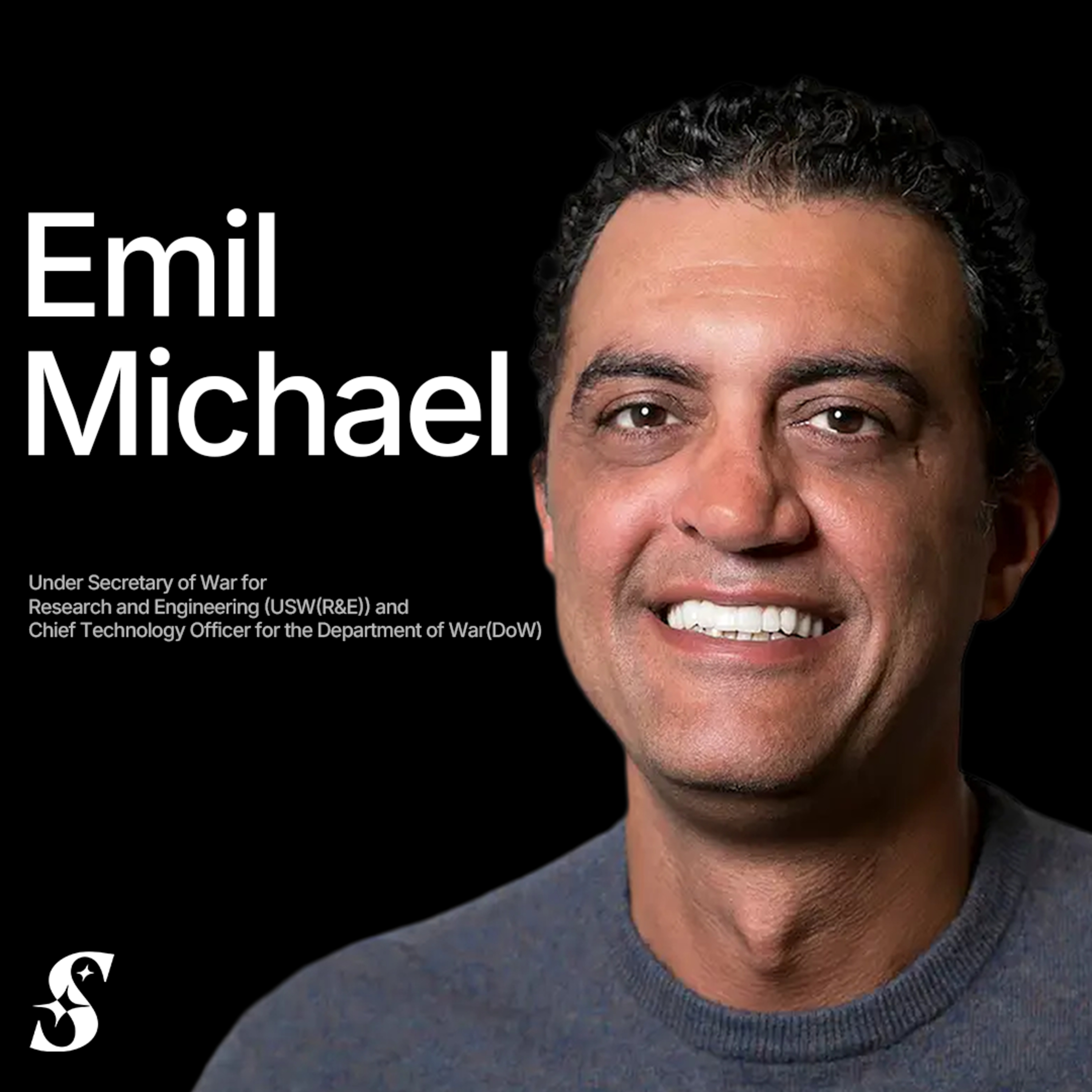
A major shift in government procurement for space defense now favors startups. The need for rapid innovation in a newly contested space environment has moved the government from merely tolerating startups to actively seeking them out over traditional prime contractors.

A major upcoming change in the National Defense Authorization Act (NDAA) is the removal of "past performance" as a key criterion in procurement. This rule has historically favored large, incumbent defense contractors over innovative startups. Eliminating it allows new companies to compete on the merits of their technology, representing a significant unlock for the entire defense tech ecosystem.

According to Terra Industries' founder, defense contracting in Africa is network-based and solution-first, not bureaucratic. This gives startups an edge over incumbents. Success comes from building a working product and conducting live field demos, bypassing the lengthy proposal processes common in the West.

Traditional defense primes are coupled to customer requirements and won't self-fund speculative projects. "Neo primes" like Epirus operate like product companies, investing their own capital to address military capability gaps, proving out new technologies, and then selling the finished solution.
