Get your free personalized podcast brief
We scan new podcasts and send you the top 5 insights daily.
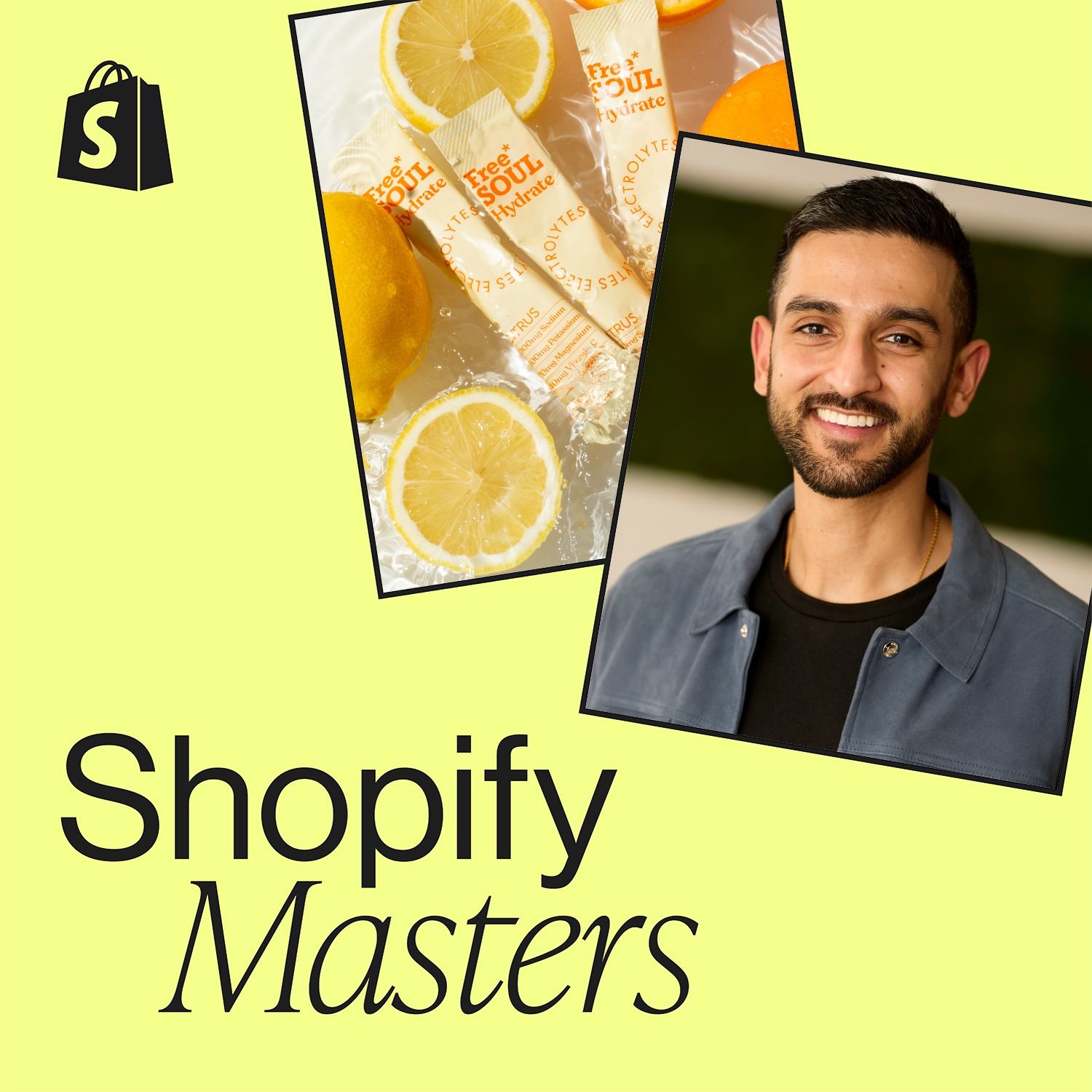
Without prior experience, the founders learned to build their Shopify store and run complex paid media campaigns entirely by watching YouTube tutorials. This self-education approach enabled them to operate leanly and develop deep, in-house knowledge of core business functions.
Related Insights
The ideal founder archetype starts with deep technical expertise and product sense. They then develop exceptional business and commercial acumen over time, a rarer and more powerful combination than a non-technical founder learning the product.
![David George - Building a16z Growth, Investing Across the AI Stack, and Why Markets Misprice Growth - [Invest Like the Best, EP.450] thumbnail](https://megaphone.imgix.net/podcasts/8da7dbd8-ceeb-11f0-941c-ef83bcdd4c9f/image/d44107bc94719f78fbe91befb141073e.jpg?ixlib=rails-4.3.1&max-w=3000&max-h=3000&fit=crop&auto=format,compress)
Co-founder Rashid Ali, feeling family pressure for not having a master's degree, reframed his entrepreneurial journey. He treated building Chomps as a practical, hands-on business education, ultimately proving its value over a traditional MBA by building a billion-dollar brand.

A full understanding of a complex industry's challenges can be paralyzing. The founder of Buildots admitted he wouldn't have started the company if he knew how hard it would be. Naivety allows founders to tackle enormous problems that experienced operators might avoid entirely.

Lacking deep category knowledge fosters the naivety and ambition required for groundbreaking startups. This "beginner's mind" avoids preconceived limitations and allows for truly novel approaches, unlike the incrementalism that experience can sometimes breed. It is a gift, not a curse.

Lacking a traditional resume forces young founders to constantly learn, as they have no preconceived notions of how things 'should' be done. This contrasts with experienced leaders who might wrongly assume their past success provides a playbook for a new market or company stage.

Before Province of Canada was their full-time focus, the founders ran a Shopify agency. This service business provided cash flow, deep platform expertise, and a testing ground for their ideas. It served as a real-world MBA, giving them the confidence and proof points to launch their own successful product brand.
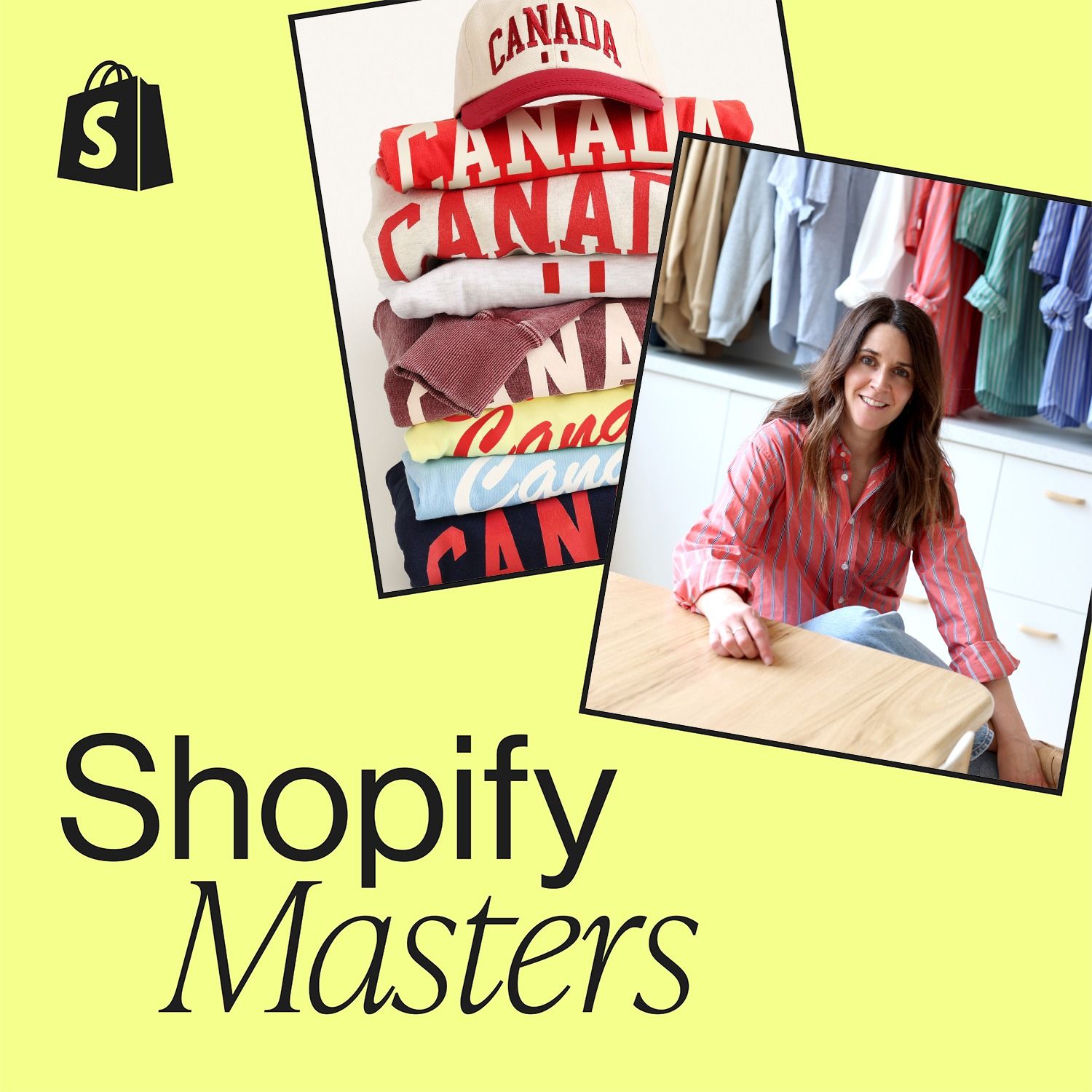
Faced with a sudden price hike from their first manufacturer, the founders started a manual labor side hustle—fixing washing machines and installing cupboards—to raise the cash needed for their initial product run, demonstrating extreme pre-launch resourcefulness.
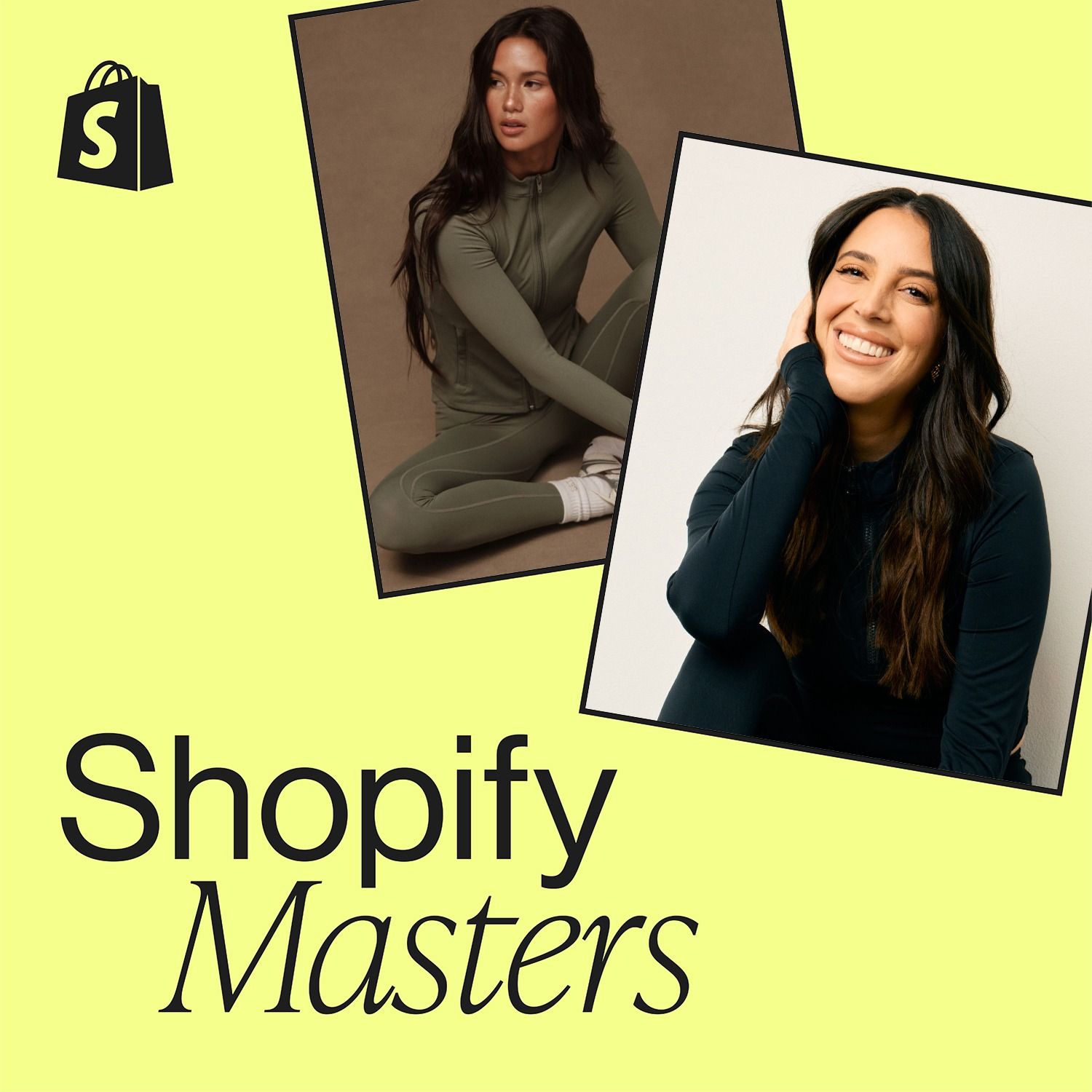
For founders without a large marketing budget, building in public isn't optional. Lindsay Carter attributes Set Active's initial hype to sharing behind-the-scenes content on her personal social media. She argues that consumers want to root for the underdog, and showing the story—failures and all—is the most effective way to build a loyal following from scratch.
Without VC funding, Free Soul couldn't afford to acquire customers at a loss. Their core financial rule was that customer acquisition costs must be lower than the gross margin on the very first purchase, a strict focus on unit economics that fueled their sustainable growth.
The motivation to start a company wasn't about a guaranteed outcome but about embracing the ultimate test of one's capabilities. The realization that most founders, regardless of experience, are figuring it out as they go is empowering. It reframes the founder journey from a path for experts to a challenge for the determined.
