Get your free personalized podcast brief
We scan new podcasts and send you the top 5 insights daily.
Faced with a sudden price hike from their first manufacturer, the founders started a manual labor side hustle—fixing washing machines and installing cupboards—to raise the cash needed for their initial product run, demonstrating extreme pre-launch resourcefulness.
Related Insights
Without prior experience, the founders learned to build their Shopify store and run complex paid media campaigns entirely by watching YouTube tutorials. This self-education approach enabled them to operate leanly and develop deep, in-house knowledge of core business functions.
Comfort offers customers a discount to 'pre-order' items, even if they are in stock, in exchange for waiting longer for delivery. This generates immediate, upfront cash flow that the bootstrapped company uses to fund large inventory purchase orders without external capital.

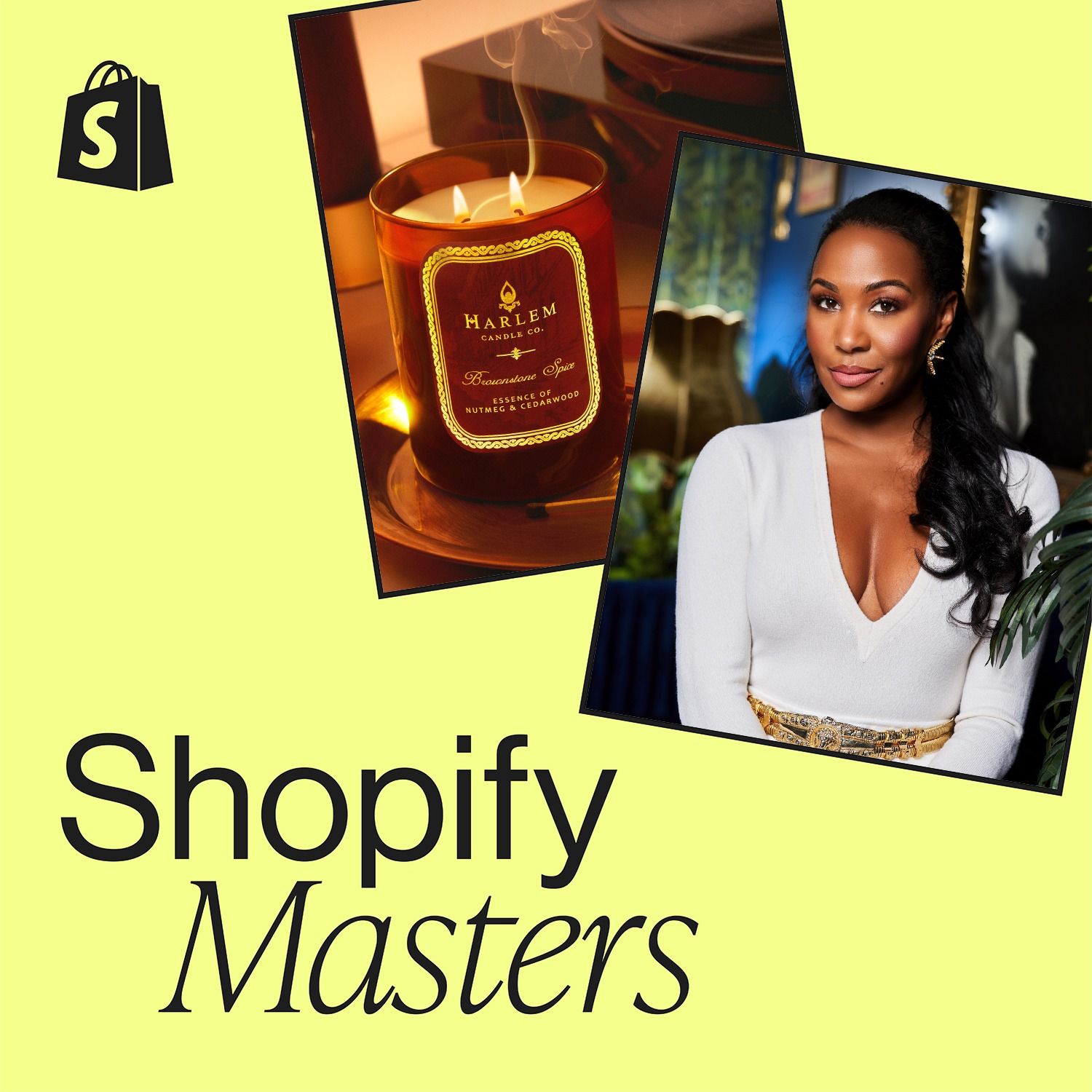
To bootstrap her company, the founder rented out her spare bedroom on Airbnb. This income covered her mortgage, freeing up 100% of business revenue for reinvestment. As a bonus, guests often became temporary helpers and early brand evangelists.
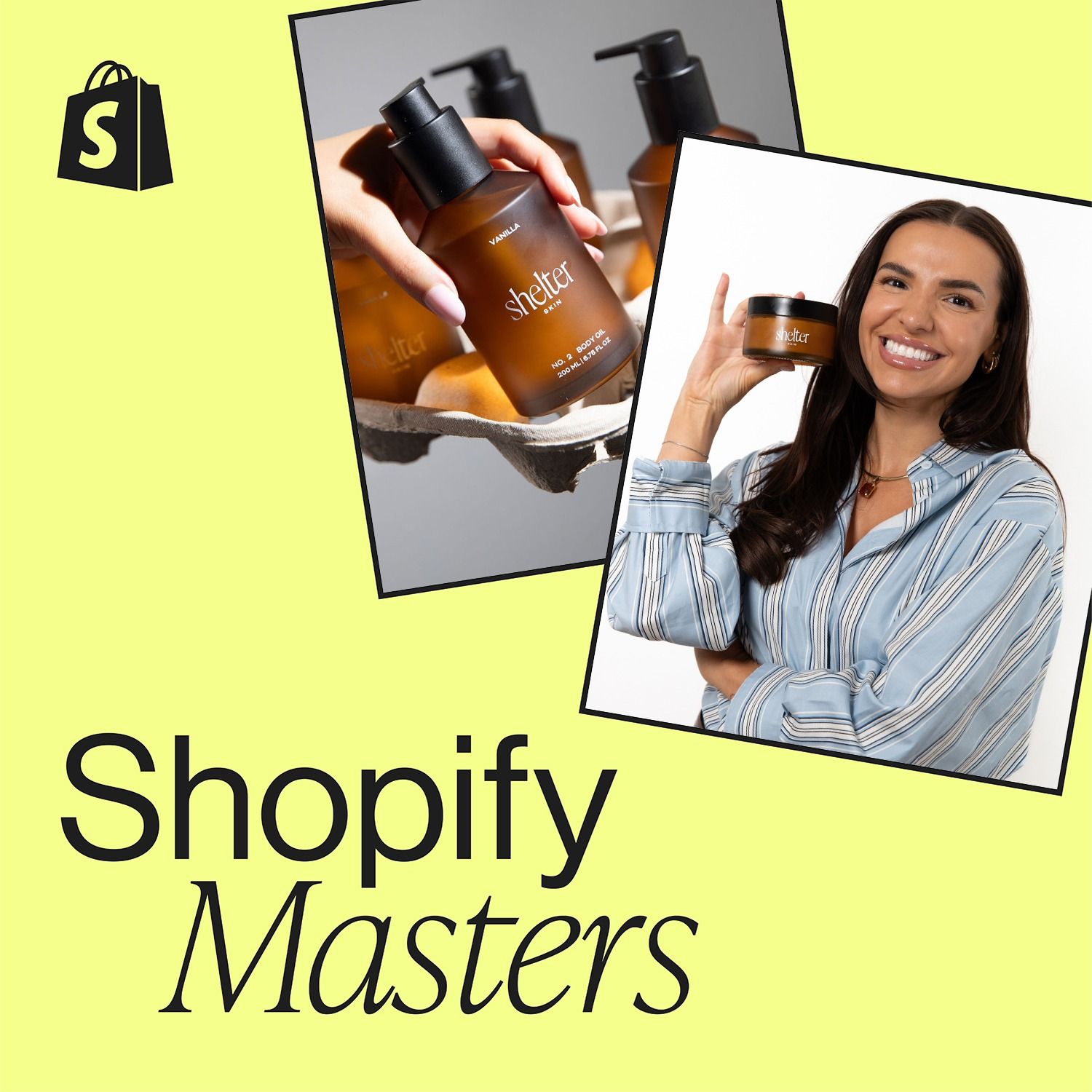
Instead of buying expensive, custom-built lab equipment, Shelter Skin creatively repurposed machinery from the food and beverage industry, like bakery mixers and milk pasteurizers. This resourceful approach enabled them to scale production on a bootstrapped budget, proving ingenuity can replace capital.
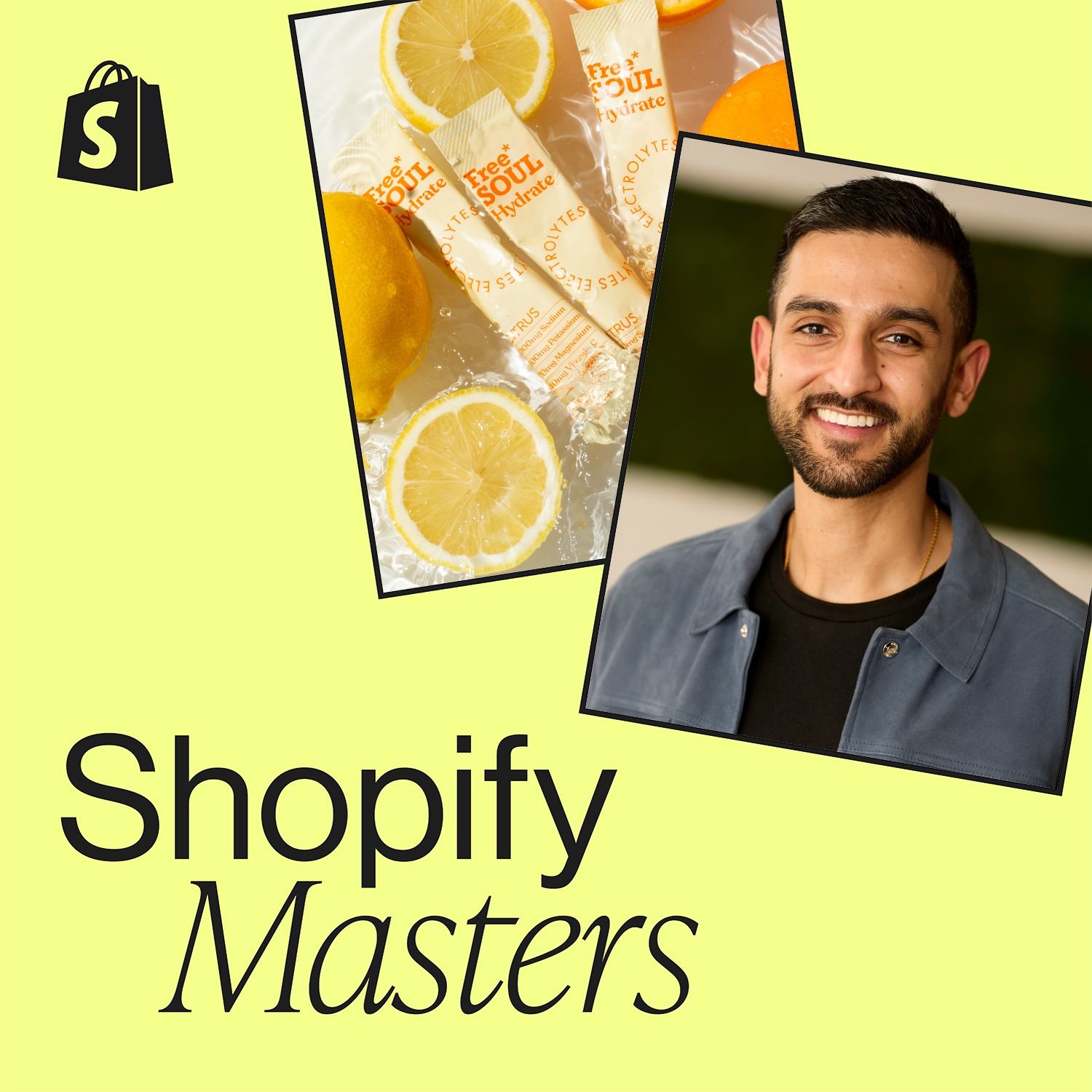
Without VC funding, Free Soul couldn't afford to acquire customers at a loss. Their core financial rule was that customer acquisition costs must be lower than the gross margin on the very first purchase, a strict focus on unit economics that fueled their sustainable growth.
Faced with a $25k event sponsorship, GoProposal's founder realized he could hire a full-time videographer for the same price. This decision, driven by scarcity, led to a more durable content engine that proved invaluable when the pandemic hit. A lack of resources forces creative, high-leverage thinking.

The search for an initial manufacturer required contacting hundreds of potential suppliers. This quantifies the immense and often underestimated volume of outreach necessary for a new brand to find a partner willing to accommodate small, early-stage production runs.
To minimize risk, the founder initially ordered small quantities of custom packaging, resulting in a high cost of $6.31 per box. In hindsight, she advises founders to "bet on themselves" by ordering larger quantities to significantly lower cost of goods, even if it ties up capital longer.
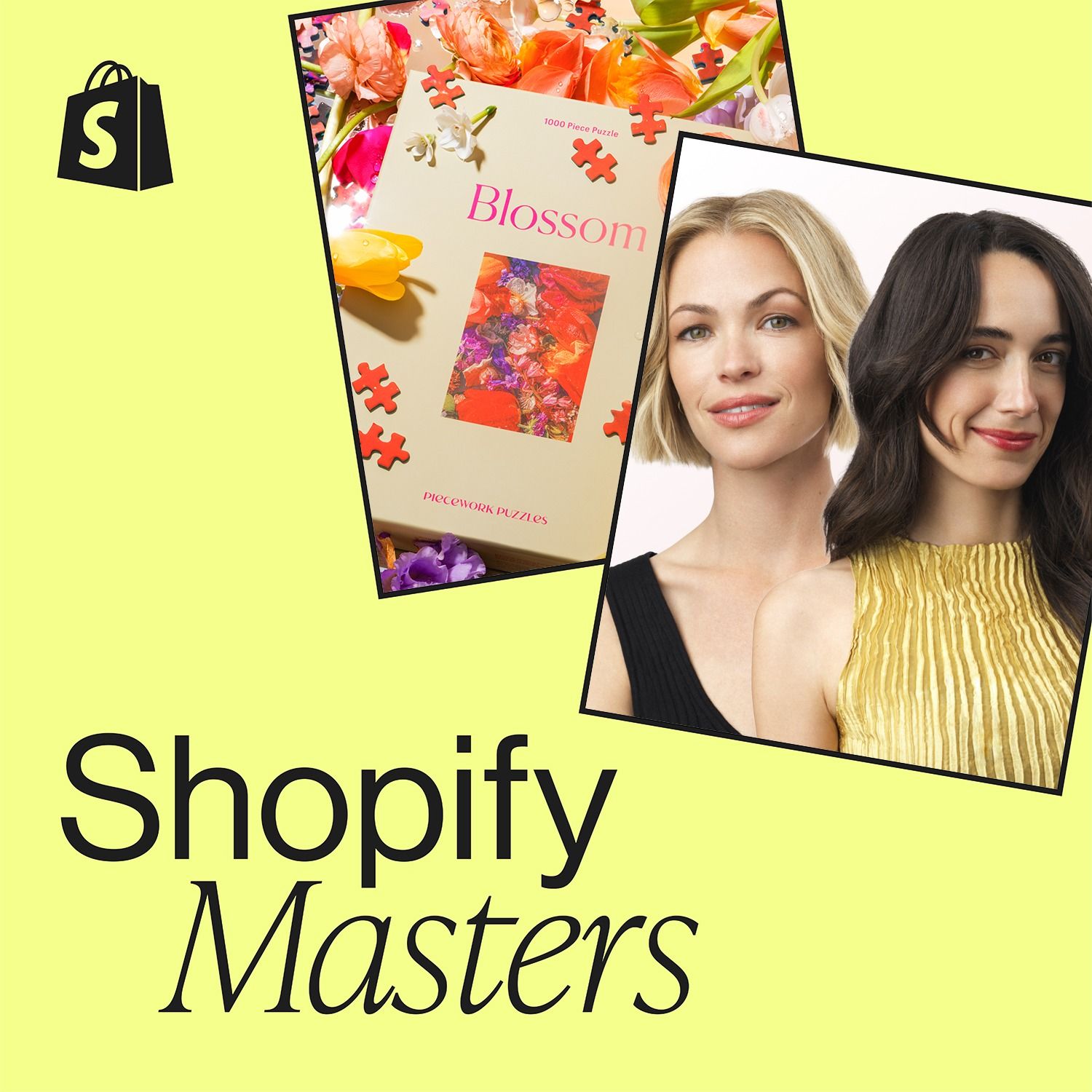
Peacework Puzzles founders used their existing creative agency to cover living expenses. This allowed them to bootstrap their puzzle company without the pressure of fundraising or immediate profitability, giving them complete creative control and autonomy.