Get your free personalized podcast brief
We scan new podcasts and send you the top 5 insights daily.
Don't focus on becoming a well-rounded leader. Instead, identify your weaknesses and hire people specifically to "round you out." Before trying to fix a flaw, ask if that supposed weakness is the very source of your greatest strengths.

Related Insights
Rather than trying to become a well-rounded, traditional leader, Opendoor's CEO focuses on sharpening his unique "edges." He then surrounds himself with people who are "edgy" in complementary ways, creating a balanced team of focused experts rather than a bland group of generalists.
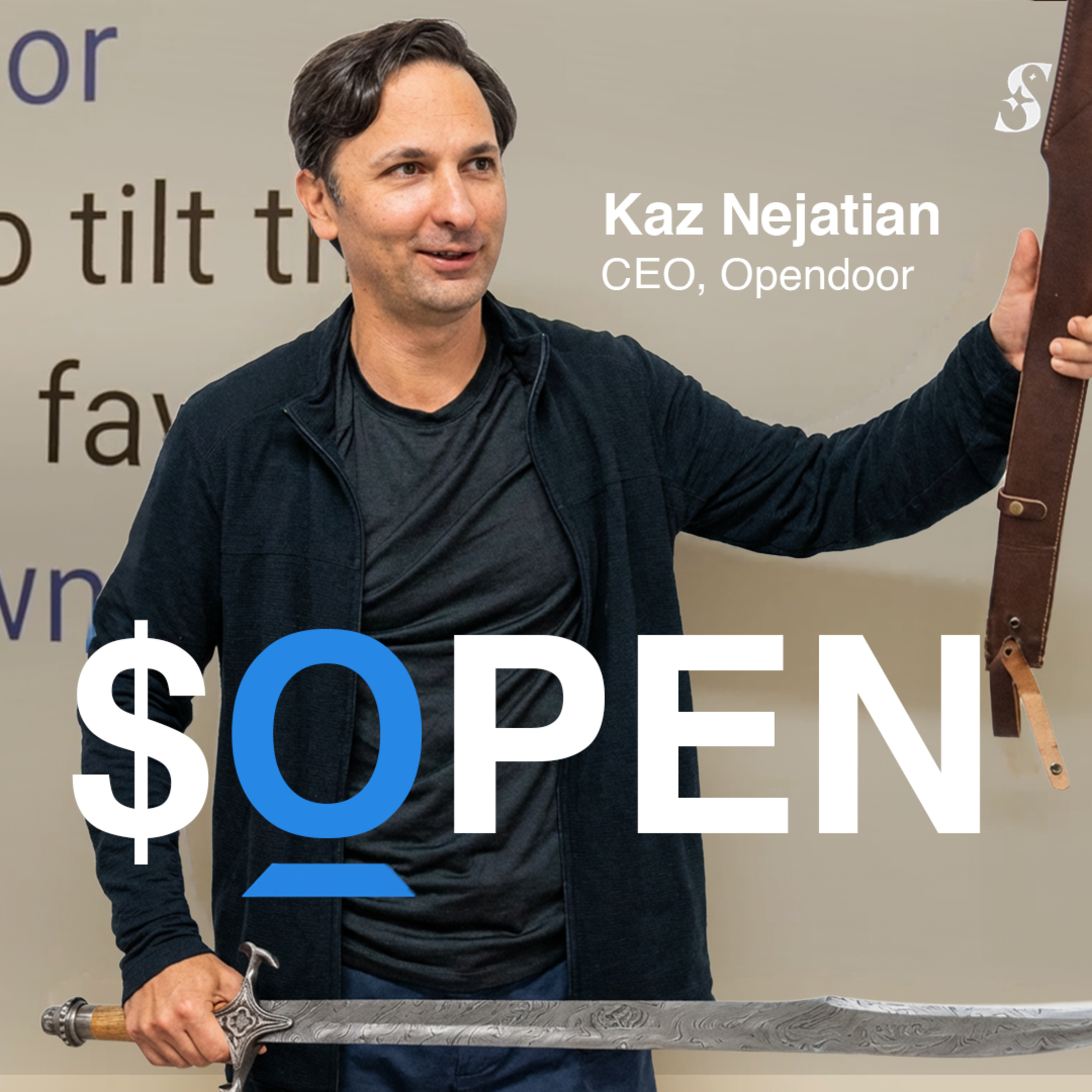
Early career advice focuses on fixing weaknesses. However, experienced leaders should shift their focus. While weaknesses must be mitigated so they don't become a liability, true effectiveness comes from understanding, amplifying, and deploying your core strengths, which is what ultimately makes you a great leader.

Instead of trying to change your natural working style to fit a traditional leadership model, hire people whose styles are complementary. If you're a disorganized night owl, actively recruit organized night owls. This transforms perceived weaknesses into a unique cultural strength and attracts talent who thrive in that specific environment.

When deciding who to hire next, the most effective strategy is to identify the biggest pain point. Specifically, hire someone to take over the task that you, as the leader, are spending the most time on that you don't want to be doing. This is the key to unlocking your own productivity.
Visionary, fast-paced leaders naturally gravitate toward hiring people like themselves. However, to build a balanced and effective team, they must consciously hire for complementary traits—like detail-orientation and methodical thinking—to provide necessary rigor, ensure completion, and prevent burnout.

Ben Thompson advises that the key to success isn't fixing weaknesses, but hyper-focusing on strengths to generate exceptional value. Once successful, you can afford to hire people or use systems to manage the areas where you are weak, leading to a more optimized and effective outcome.
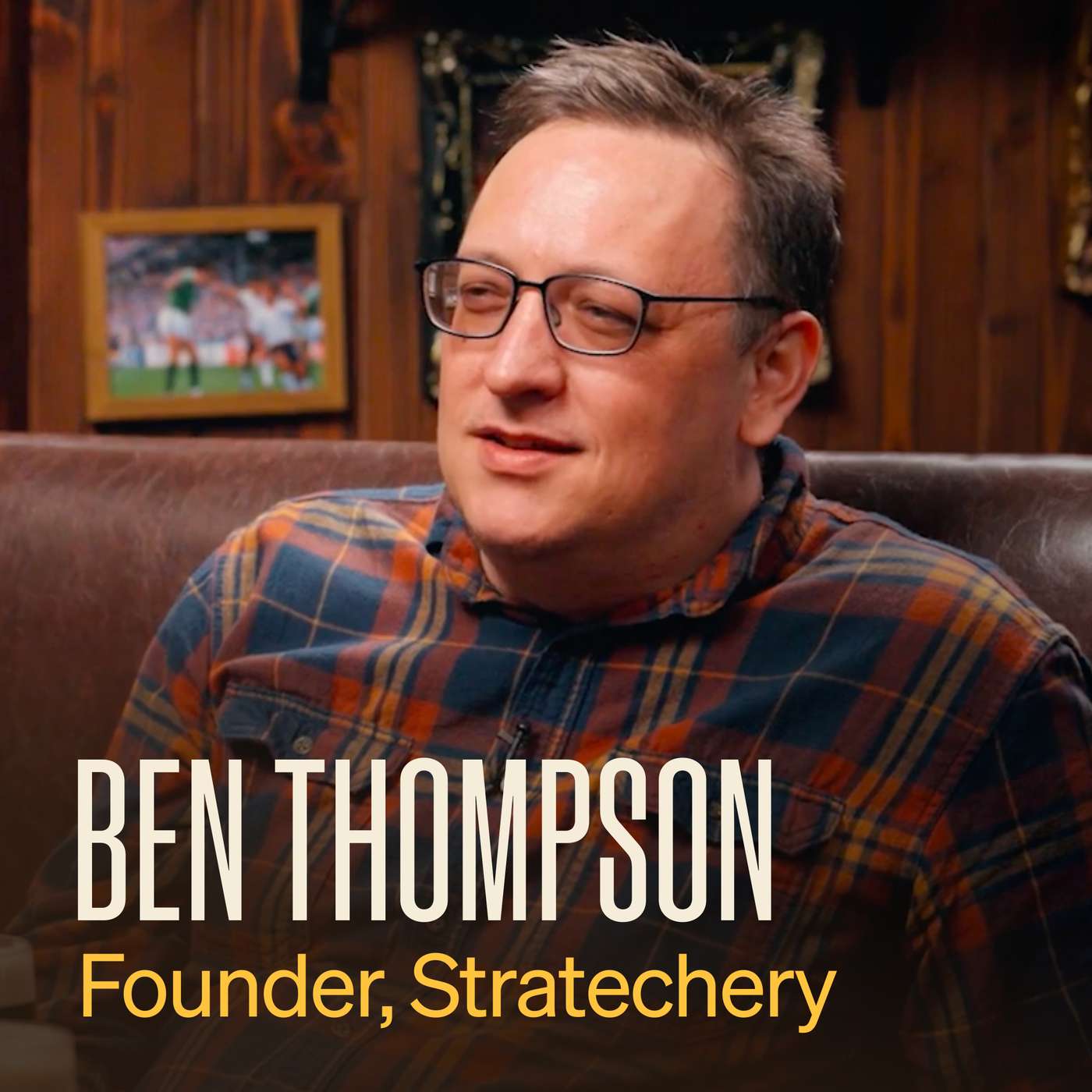
Instead of feeling frustrated by what team members lack, effective leaders focus on finding roles where their people's innate "encodings" can shine. This shifts the work from trying to change people to aligning their responsibilities with their natural capacities, leading to awe and gratitude rather than frustration.

Self-aware managers recognize that their strengths and weaknesses are two sides of the same coin. For example, being deeply thoughtful (a strength) often means not being quick on your feet in meetings (a weakness). Acknowledging this link is key to personal growth.

While complementary strengths are valuable, it's critical for partners to identify skills they both lack. Recognizing these shared blind spots is key to knowing when to bring in an employee, mentor, or coach to fill the gap, preventing the business from stalling in those areas.

The most important job of a leader is team building. This means deliberately hiring functional experts who are better than the CEO in their specific fields. A company's success is a direct reflection of the team's collective talent, not the CEO's individual brilliance.
