Get your free personalized podcast brief
We scan new podcasts and send you the top 5 insights daily.
Instead of multitasking, elite performers identify their single greatest talent (e.g., storytelling, coding, sales) and go all-in on it. They then build a team not just to delegate tasks, but to specifically scale and amplify that one core function, creating massive leverage from a single, focused skill.

Related Insights
Stop asking "how" to solve a problem and start asking "who" is the right person to solve it. Shifting your mindset to hiring A+ players who can take ownership of outcomes is the key to unlocking the next level of growth and freeing up your own time.

The primary purpose of hiring is not to add capacity for growth, but to free up the founder's time from low-value tasks. This allows the founder to reinvest their unique talents into activities that truly drive the business forward, making growth an outcome of strategic time reallocation.

Juggling multiple roles requires moving beyond task management to actively managing mental capacity, or "cognitive load." This involves strategically delegating and letting go of responsibilities, even when ego makes it difficult, to focus on core strengths and prevent burnout.

Success is often attributed not to a relentless personal grind, but to a superpower in attracting and retaining top talent. True scaling and outsized impact come from empowering a great team, embodying the idea that "greatness is in the agency of others."

When deciding who to hire next, the most effective strategy is to identify the biggest pain point. Specifically, hire someone to take over the task that you, as the leader, are spending the most time on that you don't want to be doing. This is the key to unlocking your own productivity.

A sole creator, no matter how brilliant, will always have a limited impact. The key to exponential influence is to build an organization staffed with talented, well-compensated people. The true superpower is not just communication, but the ability to attract and retain talent that can scale the message far beyond what one person could ever achieve alone.

Ben Thompson advises that the key to success isn't fixing weaknesses, but hyper-focusing on strengths to generate exceptional value. Once successful, you can afford to hire people or use systems to manage the areas where you are weak, leading to a more optimized and effective outcome.
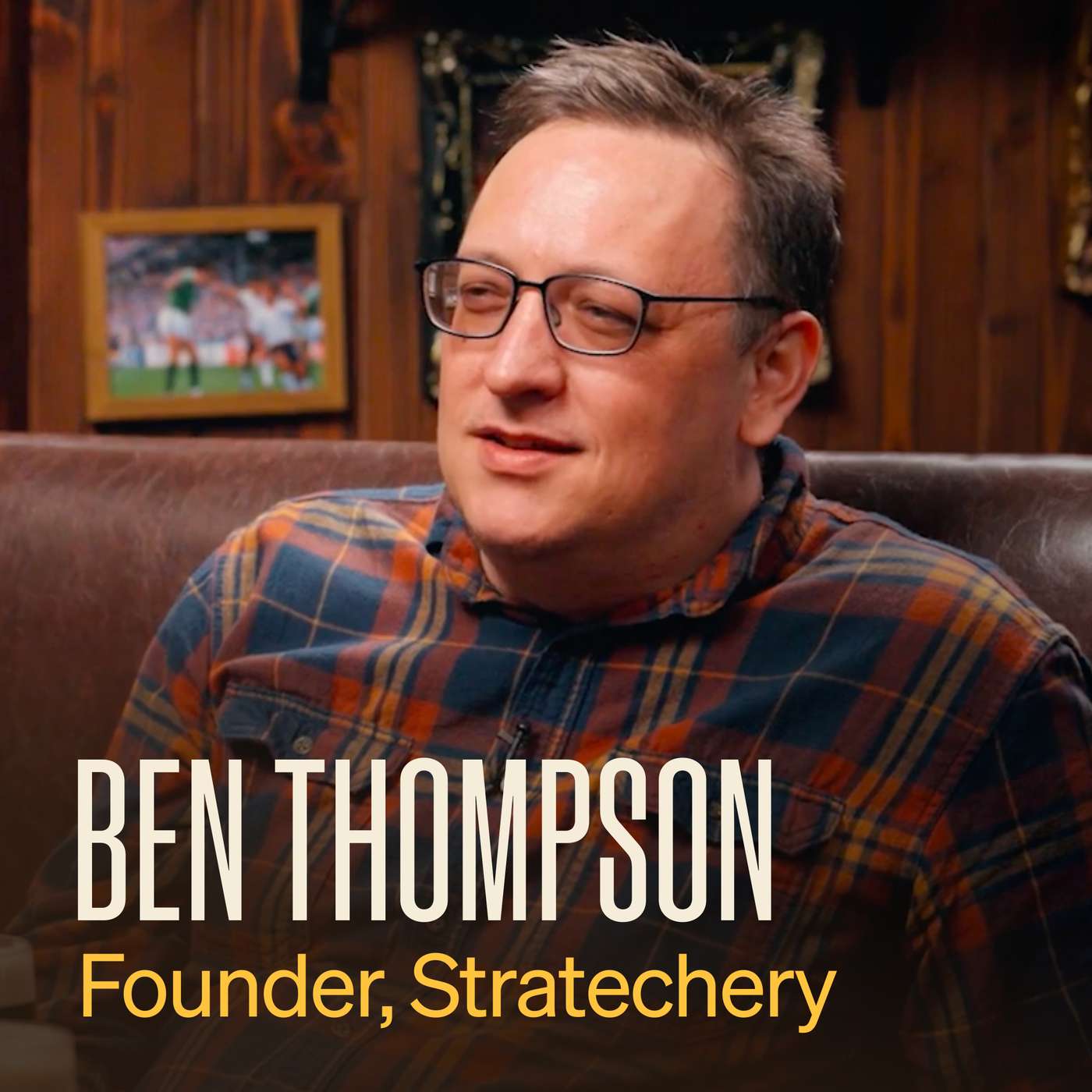
Founders are "unicorns" with unique skill sets impossible to hire for in a single person. To scale and remove yourself as a bottleneck, break your responsibilities into their component parts (e.g., sales, marketing, product) and hire specialists for each, assembling a team that approximates your output, even at a lower margin.

The primary goal of delegating low-value tasks isn't just to work on more sales or marketing. It's to reinvest that time into becoming a leader who can attract A-players, high-level partners, and bigger opportunities. Scaling requires you to become a person capable of attracting that next level of success.
The most important job of a leader is team building. This means deliberately hiring functional experts who are better than the CEO in their specific fields. A company's success is a direct reflection of the team's collective talent, not the CEO's individual brilliance.
