Get your free personalized podcast brief
We scan new podcasts and send you the top 5 insights daily.
Unlike corporate environments that focus performance reviews on fixing weaknesses, Marc Andreessen and Ben Horowitz's philosophy is to hire for exceptional skills. They accept that everyone has flaws but believe celebrating and leveraging strengths creates a more effective and motivated team.
Related Insights
a16z's investment philosophy is to assess founders on how world-class they are at their core strengths. Horowitz warns it's a mistake to pass on a uniquely talented founder due to fixable weaknesses (e.g., no go-to-market plan) and an equal mistake to back a less talented founder just because they lack obvious flaws.
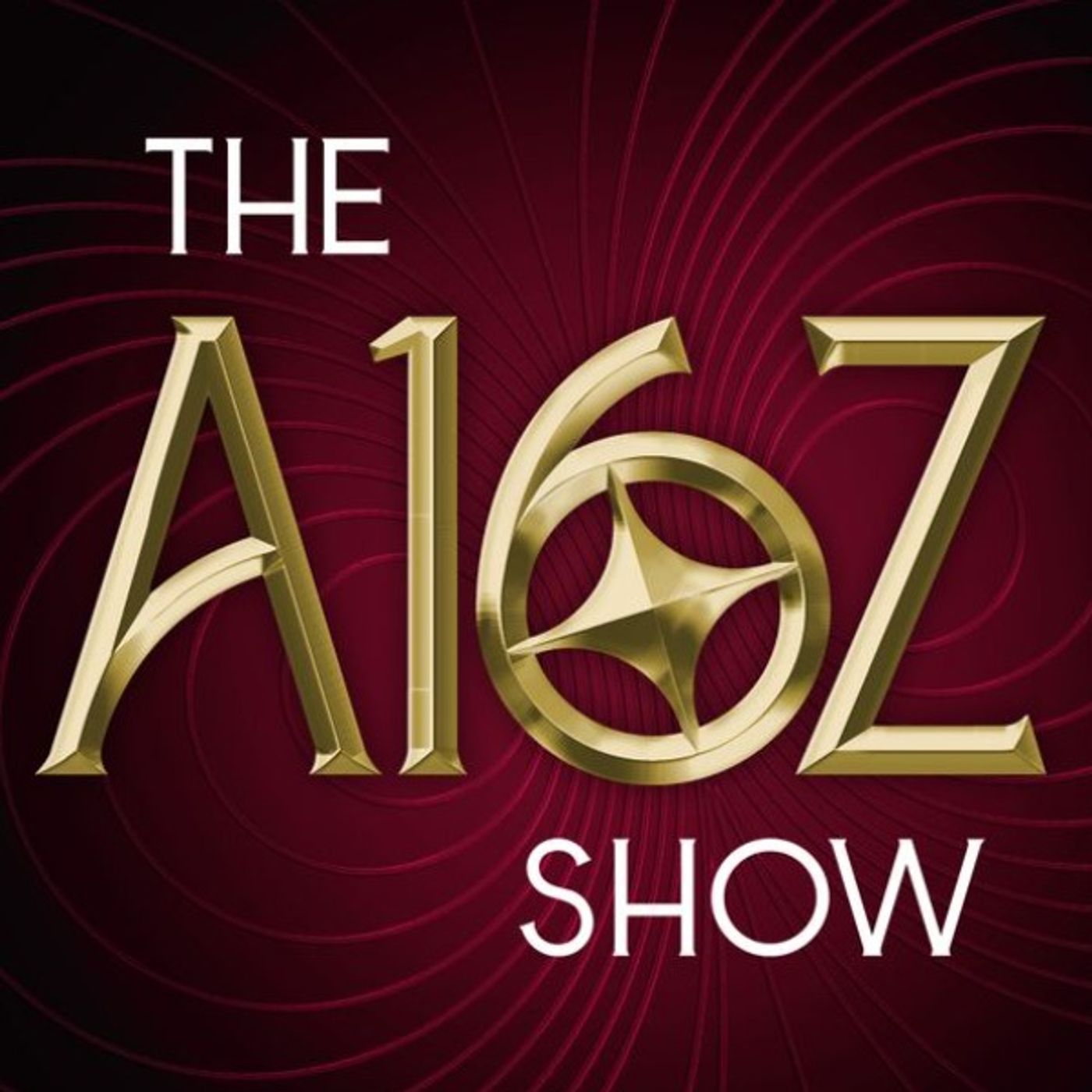
Rather than trying to become a well-rounded, traditional leader, Opendoor's CEO focuses on sharpening his unique "edges." He then surrounds himself with people who are "edgy" in complementary ways, creating a balanced team of focused experts rather than a bland group of generalists.
HubSpot's hiring success improved when they stopped hiring candidates with the fewest weaknesses (e.g., consistent 3/4 scores) and instead chose 'spiky' individuals. These candidates elicit strong positive reactions from some interviewers and weaker reactions from others, indicating exceptional strengths alongside known weaknesses.
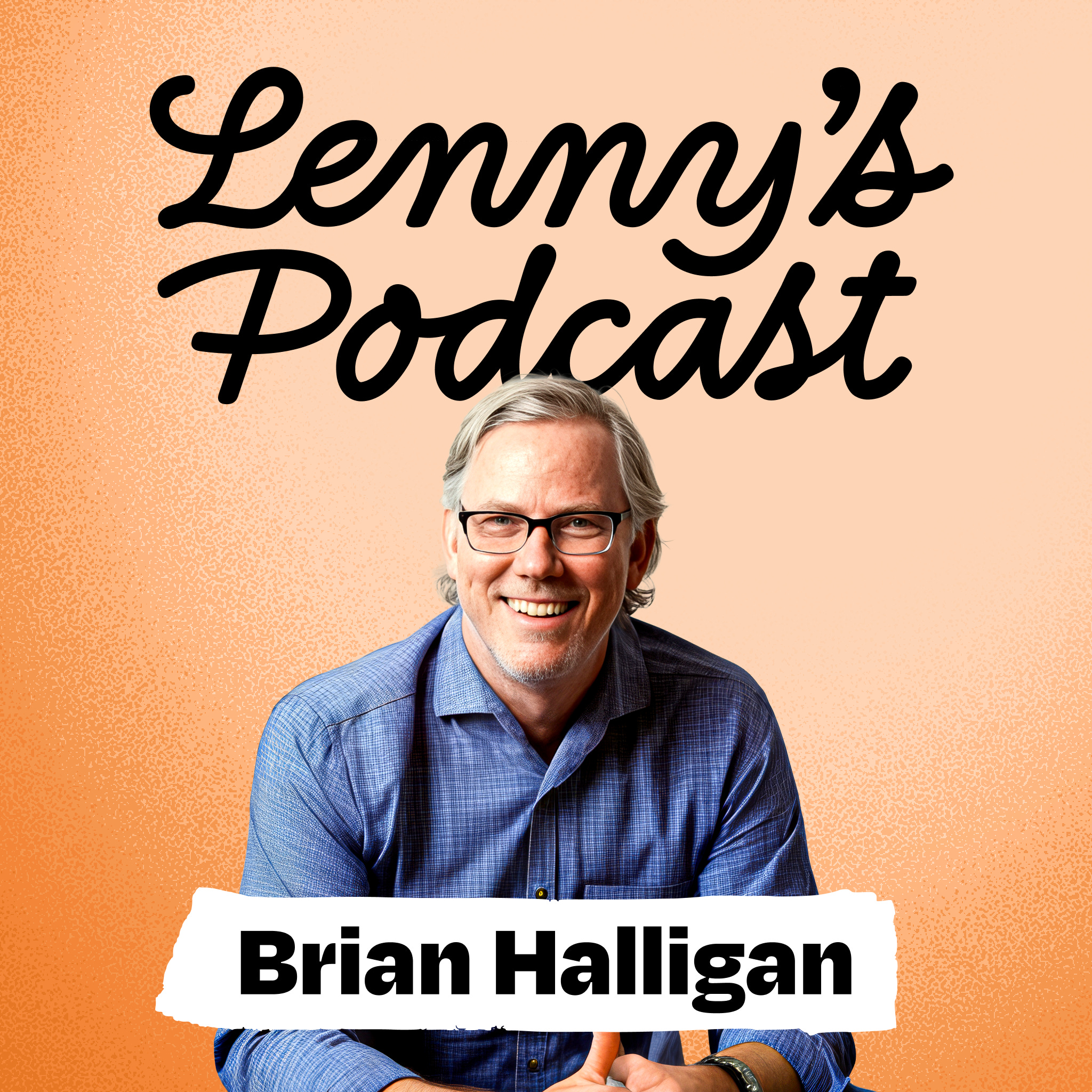
Ben Horowitz states a common VC mistake is over-indexing on a startup's weaknesses. The better investment is a team that is unequivocally the best at a single, critical thing. Being "pretty good" at everything is a red flag, as greatness in one area is what drives extraordinary outcomes.

Hiring for "cultural fit" can lead to homogenous teams and groupthink. Instead, leaders should seek a "cultural complement"—candidates who align with core values but bring different perspectives and experiences, creating a richer and more innovative team alchemy.

Instead of trying to change your natural working style to fit a traditional leadership model, hire people whose styles are complementary. If you're a disorganized night owl, actively recruit organized night owls. This transforms perceived weaknesses into a unique cultural strength and attracts talent who thrive in that specific environment.

Horowitz instructs his team to focus on how exceptionally good a founder is at their core competency. He warns against two common errors: passing on a world-class individual due to fixable weaknesses, and investing in a founder with no glaring flaws but no world-class strengths.

Dropbox's founders built their team using a first-principles approach, prioritizing exceptional talent even when candidates lacked traditional pedigrees or direct experience for a role. This strategy of betting on the person's potential over their polished resume proved highly effective for scaling.

Gaurav Kapadia uses chef David Chang's model: hire for 'good enough' credentials plus a 'special something' like extra curiosity or ingenuity. Crucially, he argues this high bar must apply to all staff, including operations and support, to create a pervasive culture of excellence and dynamism, avoiding a common organizational mistake.
Venture capital should focus on what a founder does exceptionally well, rather than penalizing them for past failures or weaknesses. Ben Horowitz uses the Adam Neumann example to illustrate their principle: judge people by their spectacular talents (like building the WeWork brand) and help them manage their flaws, which is a more effective strategy than seeking perfectly flawless individuals.
