Get your free personalized podcast brief
We scan new podcasts and send you the top 5 insights daily.
Beryl Stafford's big break with Whole Foods wasn't a cold pitch. The bakery manager was already a customer, buying the bars from a small, local co-op. This proves the strategy of dominating a small local market first can create pull from larger retailers.

Related Insights
Alave's founders turned down a nationwide launch with Whole Foods, opting for a smaller, regional rollout instead. This counterintuitive move allowed them to mitigate risk, learn the retailer's systems in a controlled environment, and build a sustainable foundation before scaling. This proved crucial when a cyber attack hit their distributor.
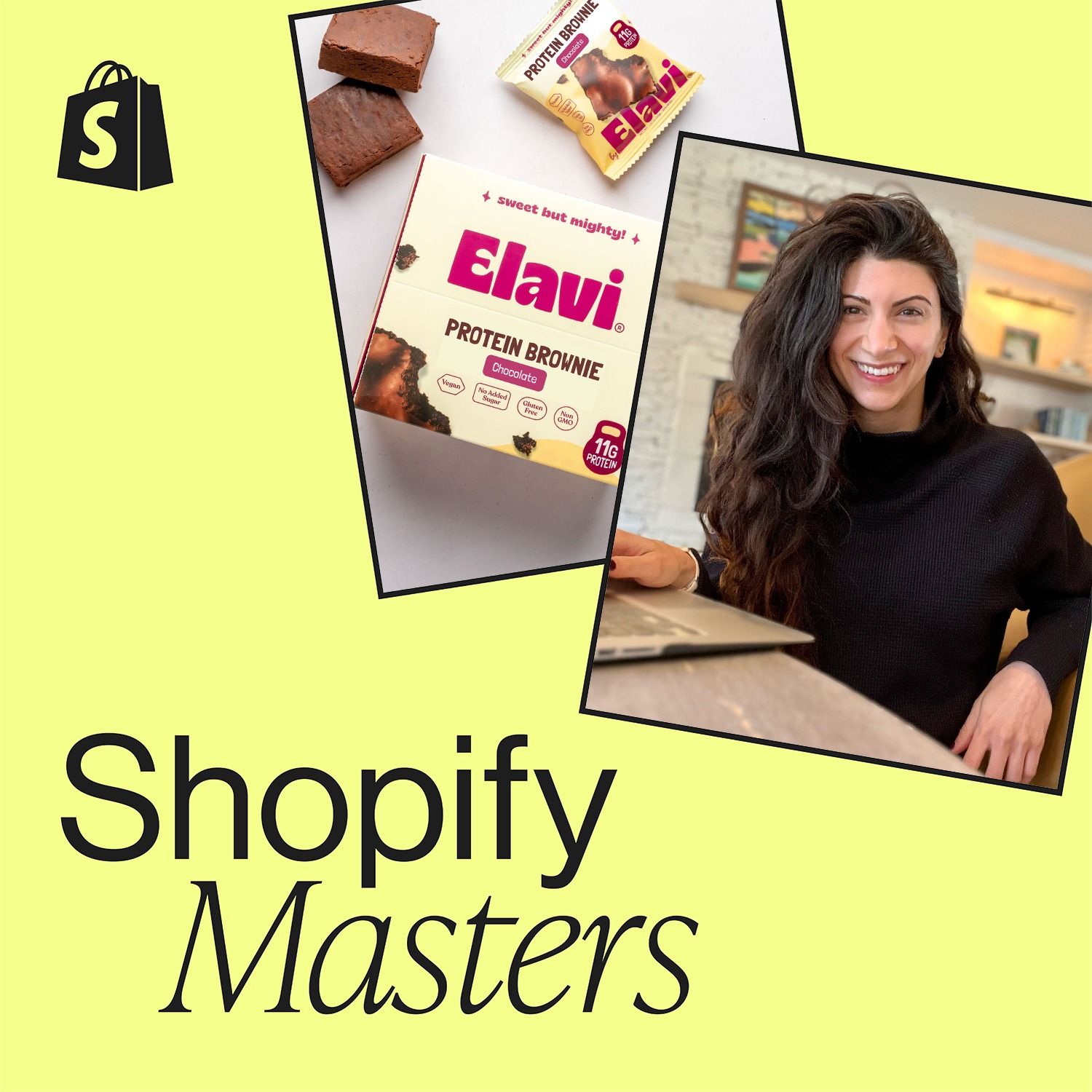
Early-stage founders can bypass slow, formal buying processes by approaching retailers directly. Jim Cregan of Jimmy's Iced Coffee secured a key listing at Whole Foods by simply walking into their HQ without an appointment and letting the product's compelling design speak for itself.

Getting into one local Whole Foods wasn't just a sale; it was a key. Travis immediately leveraged that single, high-credibility placement to persuade other local retailers to carry his product. He understood that one prestigious "yes" acts as powerful social proof, creating a domino effect for distribution.
The company never proactively pitched major retailers. Instead, they focused on creating a powerful digital presence and a superior product. This strategy made the brand so desirable that major players like Sephora initiated the partnership, flipping the traditional wholesale sales dynamic.
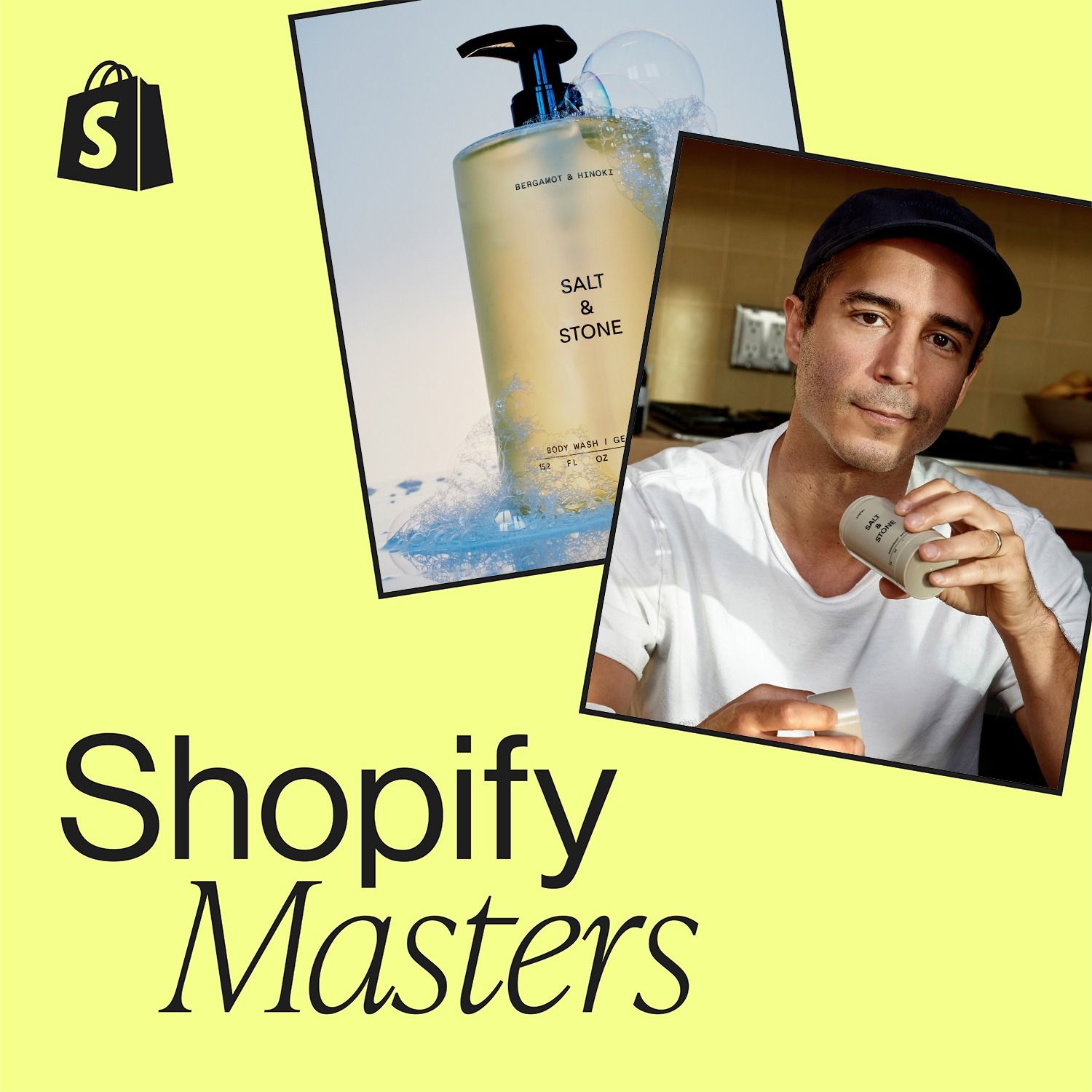
To overcome early capital constraints, Beryl Stafford formed an LLC with Justin's Nut Butters. They shared a commercial kitchen, employees, and even a bookkeeper, allowing both nascent CPG brands to scale operations affordably.
Caitlin Smith wasn't ready with recipes or packaging, but when a Whole Foods buyer offered a meeting, she took it. This forced her to accelerate her process and land a crucial first customer, demonstrating the power of seizing opportunities before feeling 100% prepared.

Lacking industry knowledge, founder Beryl Stafford initially purchased all her ingredients at full retail from Whole Foods. While inefficient, this naive action allowed her to start immediately and gain momentum, rather than getting paralyzed by optimizing sourcing.
Jane Wurwand advises a premium food startup to avoid large supermarkets early on. Big chains demand high volume and have long payment cycles that can crush a new business. Instead, focus on small, high-end local grocers where the brand story can shine and payment terms are more manageable.
To secure one of their first major corporate accounts, co-founder Chrissy Holler bypassed traditional channels by sneaking into the Google campus cafeteria. She found the chef and pitched them directly, successfully getting the product stocked for employees.
Instead of only focusing on corporate buyers, CPG brands should build relationships with individual store managers. A manager who becomes an advocate for your product can carry more weight internally than a cold outreach to headquarters.