Get your free personalized podcast brief
We scan new podcasts and send you the top 5 insights daily.
Nadella argues there's a "massive model capability overhang," where AI power exceeds its application. The bottleneck isn't a better model but product innovation—like creating the right "harness" (e.g., an agent loop with a file system)—that unlocks existing power for broad adoption.

Related Insights
Nadella posits a future where the winner isn't the company with the best model. Instead, value accrues to the platform that provides the data, context, and tools (the 'scaffolding') that make any model useful, especially as capable open-source alternatives proliferate.

The rapid release of ever-smarter AI models is outpacing the average developer's and business person's ability to leverage the incremental gains. This suggests future competition will shift from raw intelligence to speed, cost, and usability, as users have hit a saturation point for absorbing new capabilities.

Turing's CEO argues that frontier models are already capable of much more than enterprises are demanding. The bottleneck isn't the AI's ability, but the "first mile and last mile schlep" of integration. Massive productivity gains are possible even without further model improvements.

The primary bottleneck in applied AI is not model capability but human integration. There is a massive "capacity overhang" where models are far more powerful than how we currently apply them in daily workflows. The focus should be on better application, not just better models.

Kevin Scott argues the industry's focus must shift from scaling laws to application. The reasoning capabilities of AI models have outpaced what's being delivered in products, creating a "capability overhang." The primary challenge now is closing this gap by building more useful agentic systems.

Sam Altman argues there is a massive "capability overhang" where models are far more powerful than current tools allow users to leverage. He believes the biggest gains will come from improving user interfaces and workflows, not just from increasing raw AI intelligence.
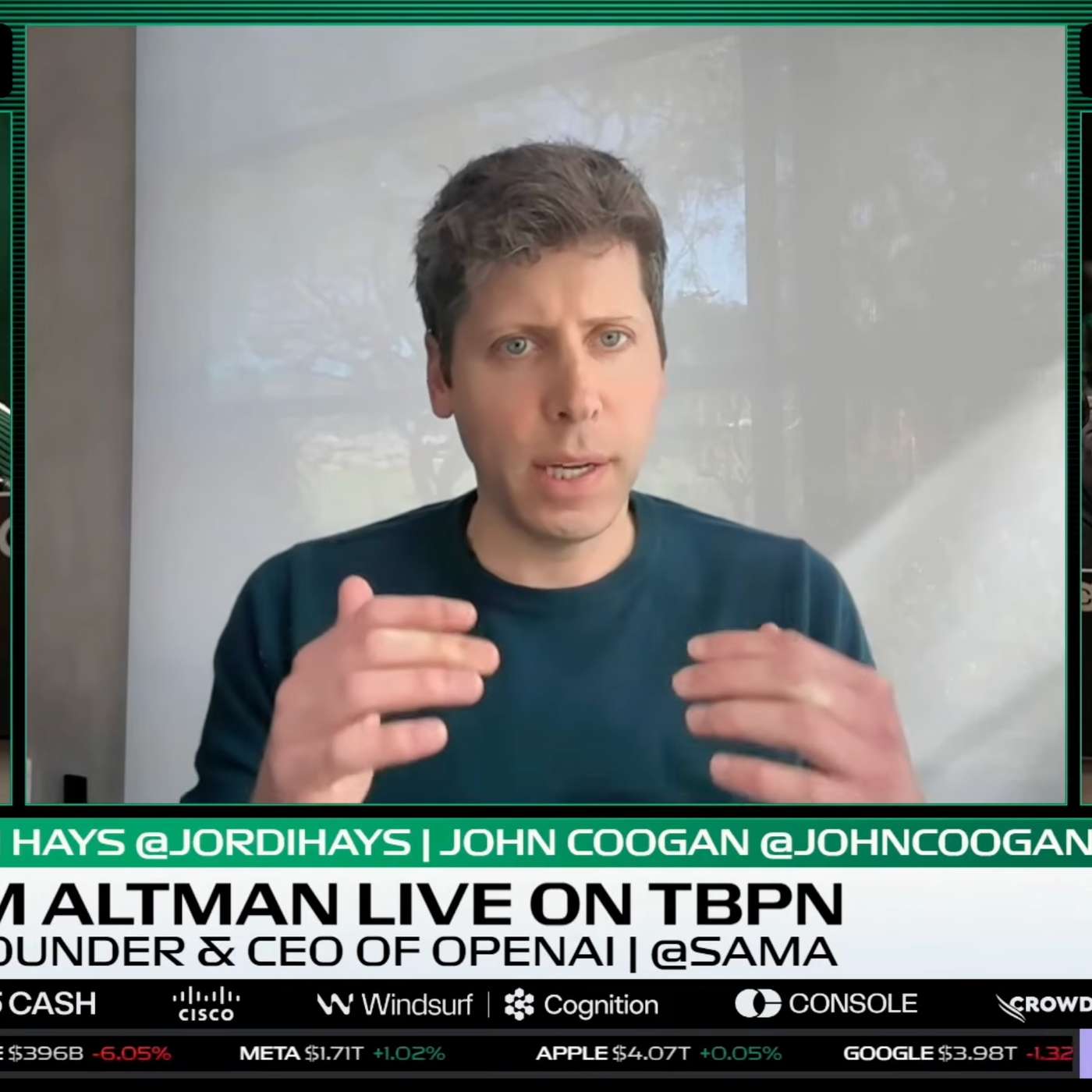
Nadella introduces the 'harness'—the integrated system of data, tools, and context preparation surrounding a model. He posits this harness, which enables multi-model strategies and efficient execution, is where companies create unique value, rather than in the base model alone.

The perceived limits of today's AI are not inherent to the models themselves but to our failure to build the right "agentic scaffold" around them. There's a "model capability overhang" where much more potential can be unlocked with better prompting, context engineering, and tool integrations.
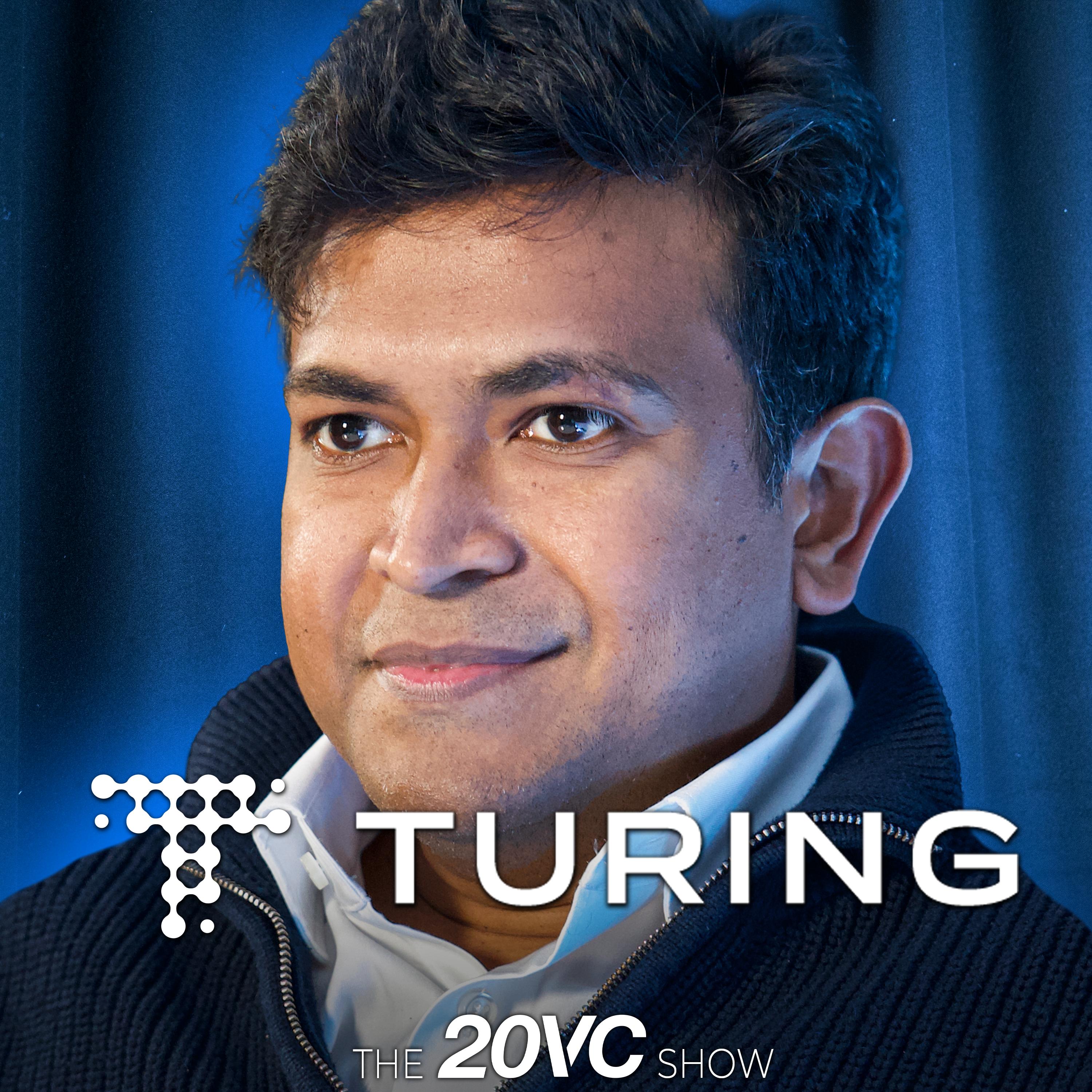
AI models are more powerful than their current applications suggest. This 'capability overhang' exists because enterprises often deploy smaller, more efficient models that are 'good enough' and struggle with the impedance mismatch of integrating AI into legacy processes and data silos.

AI's "capability overhang" is massive. Models are already powerful enough for huge productivity gains, but enterprises will take 3-5 years to adopt them widely. The bottleneck is the immense difficulty of integrating AI into complex workflows that span dozens of legacy systems.