Get your free personalized podcast brief
We scan new podcasts and send you the top 5 insights daily.
Authenticity is often mistaken for activities that neatly fit an existing brand. True authenticity, however, involves pursuing passions that may conflict with your audience's perception of you. This willingness to be misunderstood is a hallmark of genuine self-expression, as seen with Lil Wayne's rock album.

Related Insights
Shift from the passive concept of "storytelling" to the active embodiment of "story living." This means the brand doesn't just narrate its story; it lives its ethos through every action, product, and employee interaction. This ensures authenticity and transforms the brand itself into a real-time beacon of its values, moving beyond words to demonstrable action.
![What is Marketing? With Kory Marchisotto [Uncensored Renegades] thumbnail](https://img.transistorcdn.com/VIH3Rn5ET8-eHQxgBGNydnhXL95pc10_Kq7qTpjezuc/rs:fill:0:0:1/w:1400/h:1400/q:60/mb:500000/aHR0cHM6Ly9pbWct/dXBsb2FkLXByb2R1/Y3Rpb24udHJhbnNp/c3Rvci5mbS9zaG93/LzQ3MzEvMTU3MDAz/MjQ3NC1hcnR3b3Jr/LmpwZw.jpg)
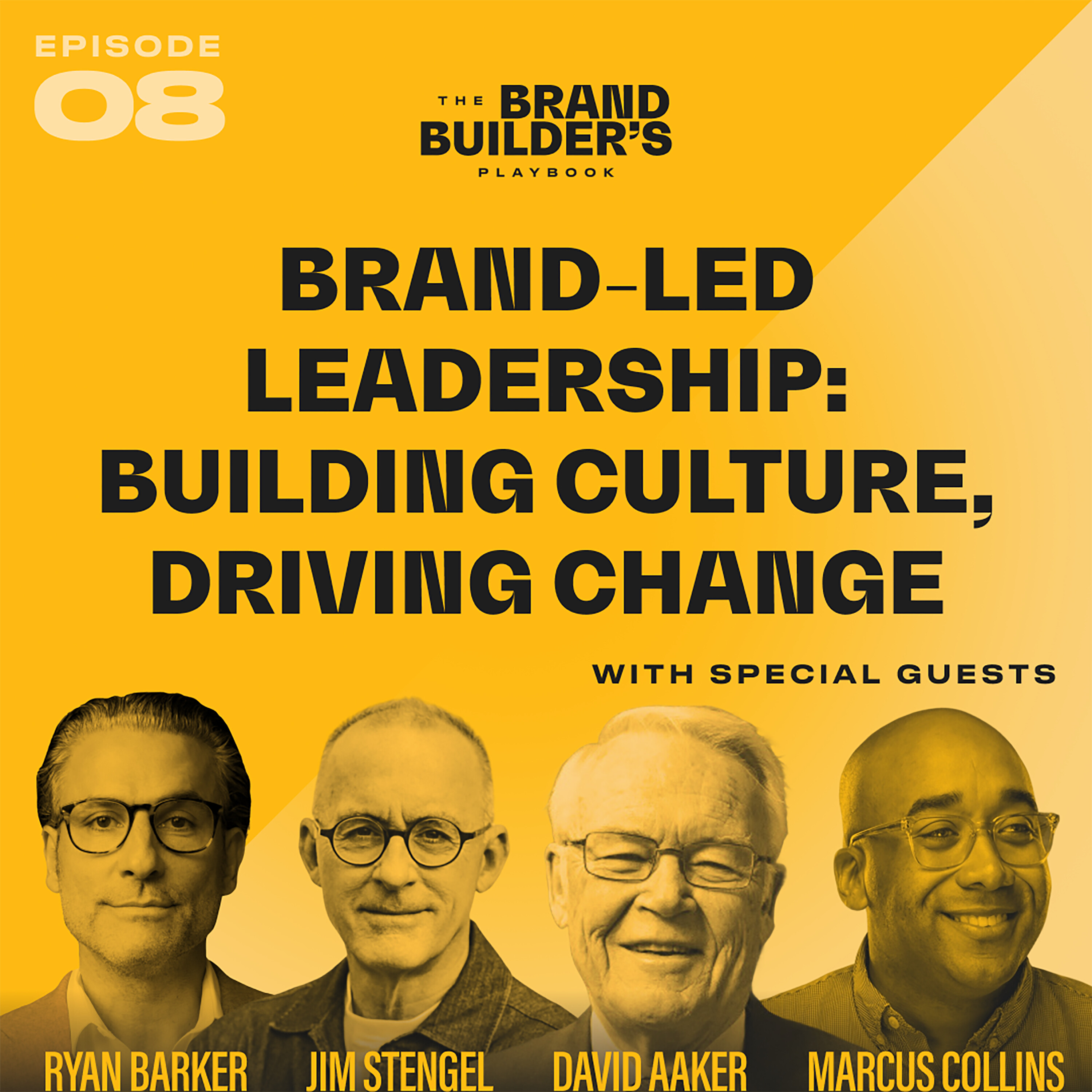
Marketing professor Marcus Collins argues that the true test of brand leadership isn't crafting a purpose statement, but adhering to it when faced with challenges or pressure on shareholder value. Many leaders evangelize their brand's point of view only when convenient, which ultimately undermines authenticity.
Being truly authentic means you will not appeal to everyone. A strong personal brand will elicit powerful, polarized reactions. If your feedback is consistently neutral or lukewarm, you are likely not being authentic enough and are trying to appease the masses.
Bugsy Malone's breakthrough came after five years of failed, "palatable" music. At a point of desperation from his family's struggles, he threw caution to the wind and spoke his raw, unvarnished truth, which is what finally resonated with an audience.

Society instinctively criticizes people who defy their established labels, like a CEO who DJs or a celebrity passionate about prison reform. True freedom requires the 'courage to be disliked'—the willingness to pursue authentic interests even if they seem inconsistent or confusing to others.

The search for originality is often a trap. True originality comes from having the courage to fully be yourself and share all your varied interests publicly. It’s the unique combination of your authentic passions that creates a one-of-a-kind personal brand.
Early in his career, Gary Vaynerchuk was told his casual dress and cursing would hold him back. By refusing to change, he built an authentic brand. Over time, professional culture shifted to meet him, proving authenticity is a winning long-term strategy.
A brand that tries to please everyone is memorable to no one. To build a truly strong brand, you must be willing to be disliked by some. Intentionally defining who your customer is *not* and creating polarizing content sharpens your identity, fostering a passionate community among those who love what you stand for.

True conflict with your company's brand stems from actions that oppose its fundamental core values, not just its marketing messages. By understanding and embodying the company's deeper principles, you ensure your personal brand is supportive and aligned, creating a more authentic professional identity.

To resonate with today's savvy consumers, a brand's voice cannot be faked. It must be a genuine extension of the founder's core mission and values. If there's an emotional disconnect between the brand's message and its creator's beliefs, customers will sense the inauthenticity and turn away.
