Get your free personalized podcast brief
We scan new podcasts and send you the top 5 insights daily.
True conflict with your company's brand stems from actions that oppose its fundamental core values, not just its marketing messages. By understanding and embodying the company's deeper principles, you ensure your personal brand is supportive and aligned, creating a more authentic professional identity.

Related Insights
A successful rebrand doesn't create a new personality; it amplifies the company's true, existing identity. Just as money magnifies a person's character, a strong brand makes a company's core values—like community involvement—bigger, louder, and more public, forcing them to be more intentional.

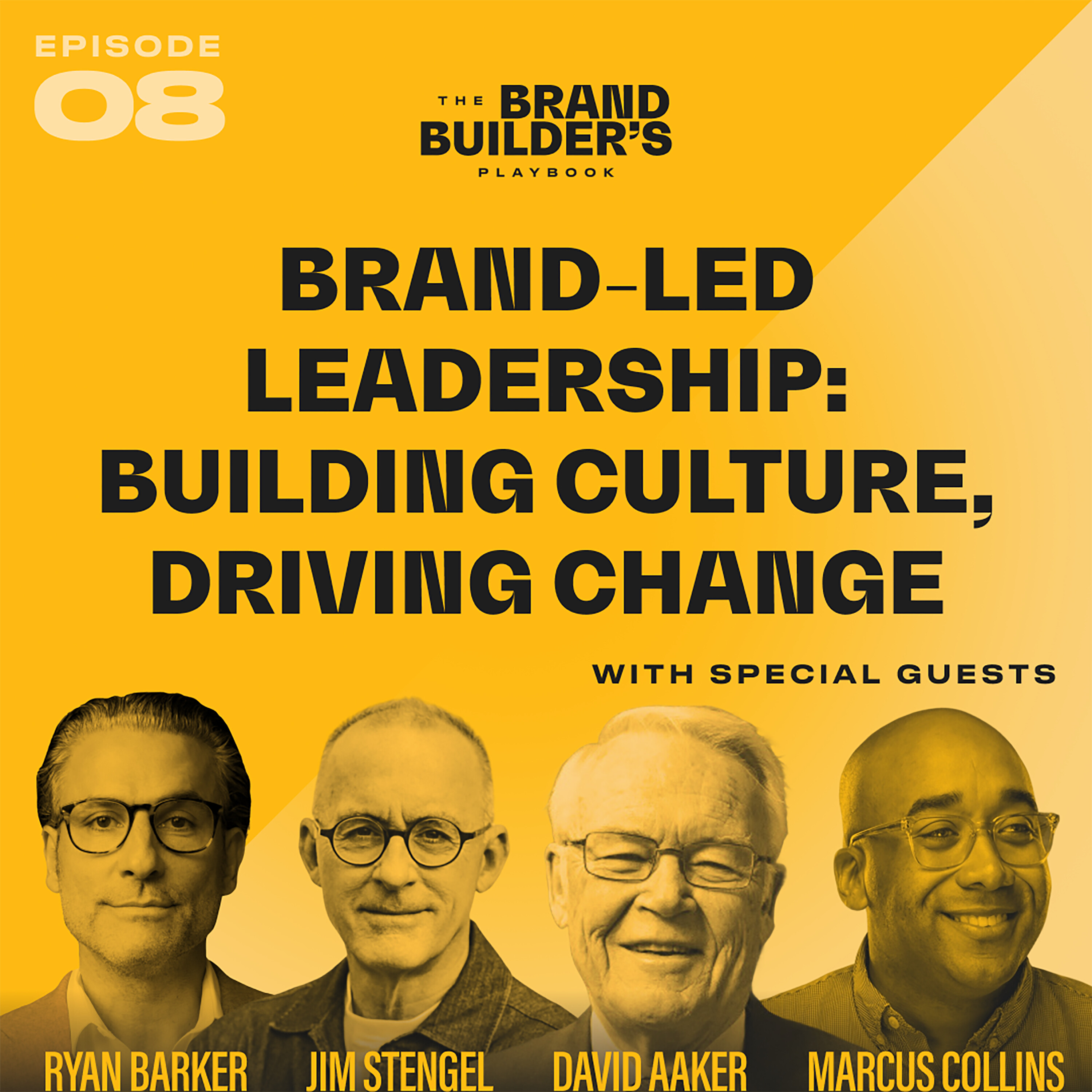
Marketing professor Marcus Collins argues that the true test of brand leadership isn't crafting a purpose statement, but adhering to it when faced with challenges or pressure on shareholder value. Many leaders evangelize their brand's point of view only when convenient, which ultimately undermines authenticity.
Your marketing message (e.g., "no-pressure sales") must match your actual sales process. A mismatch creates a lie in the customer's mind, eroding trust. Marketers must understand and align with the organization's inherent "sales DNA" to ensure a consistent customer experience.

The directive to 'stay in your lane' is often used to silence dissent. Counter this by expanding your definition of your lane beyond your industry expertise (e.g., marketing) to include your fundamental values (e.g., empowering women). This reframes speaking out as staying true to your authentic mission.

Many salespeople act one way in their personal life and another at work. To be truly authentic and build trust, you cannot be a 'different person' after 5 PM. Your professional persona must be an extension of who you genuinely are, otherwise prospects will sense you're playing a role.

Your core values are a powerful marketing tool. Instead of keeping them internal, broadcast them. When you state values like being "fiduciary marketers," you build trust and attract clients who share those principles. This acts as a self-selection mechanism, pre-qualifying leads for a better-aligned partnership.

True corporate values are steadfast principles that guide a company regardless of the political or social climate. Values that are easily discarded when they become controversial are not core values but rather branding exercises. This inauthenticity risks significant consumer backlash when exposed.
Branding isn't just for customers. Setting clear expectations for core values, dress code, and customer interaction gives employees confidence. They know exactly how to represent the company and perform their roles, leading to higher, more consistent standards across the team.

Instead of focusing on self-promotion, define your personal brand by your expertise and authority in your field. This approach aligns with your company's objectives by positioning you as a credible advisor, thereby enhancing the company's brand through your own established authority and expertise.
To build an authentic brand, move beyond product features and engage in an introspective process. By answering these three core questions, a company can establish its foundational ethos. This 'universal truth' then serves as a guiding principle for all external communication and strategic decisions.
