Get your free personalized podcast brief
We scan new podcasts and send you the top 5 insights daily.
Advocating for non-interventionism while funding a $1.1 trillion military is a core contradiction. Such a budget is only justifiable for a nation prepared for global intervention, not one focused solely on domestic issues. This exposes a fundamental flaw in the political ideology.

Related Insights
The US foreign policy establishment is not driven by partisan ideology but by strategic interests. It will fund contradictory groups—from right-wing Ukrainian nationalists to progressive artists—if they serve the immediate goal of destabilizing a region to secure economic or military advantages.

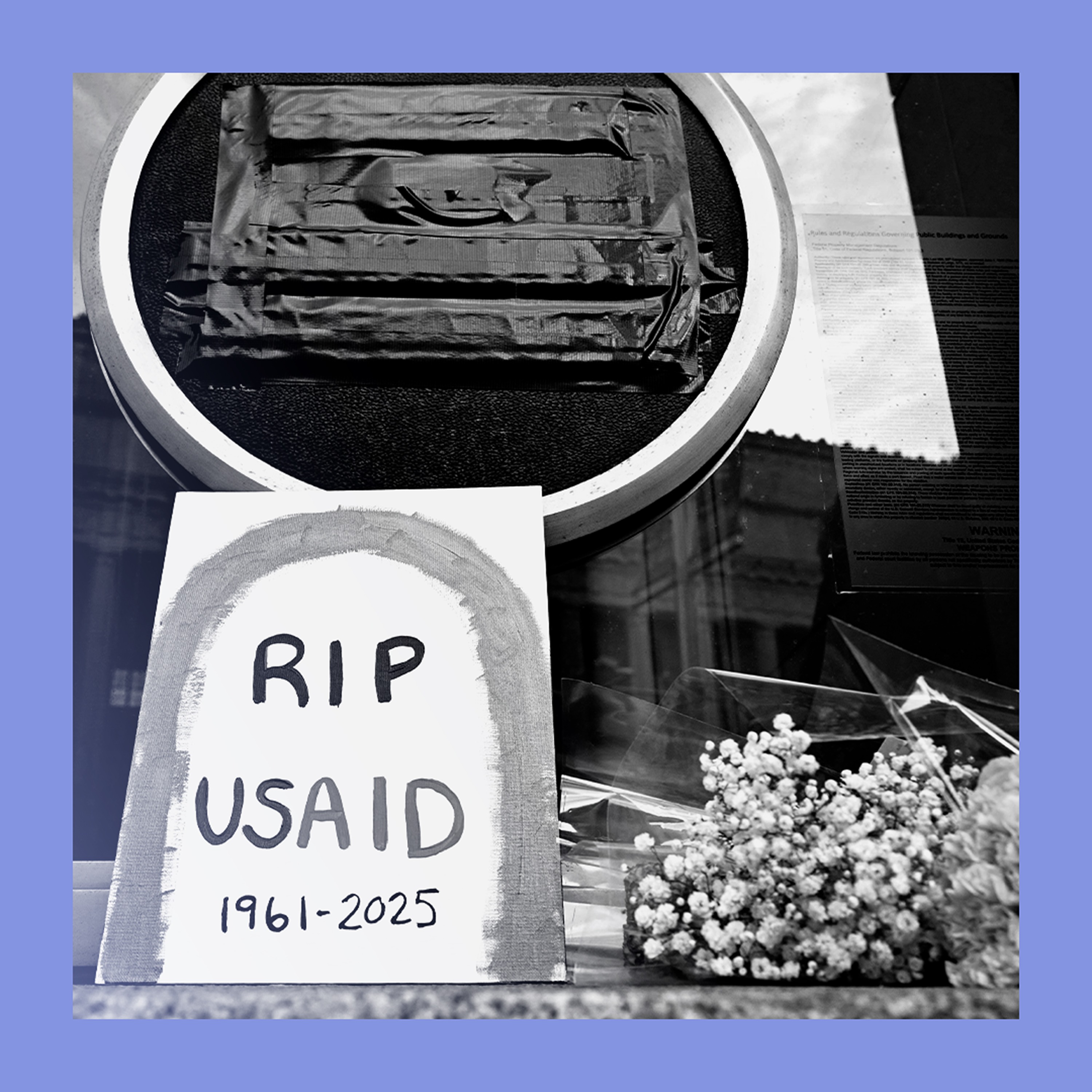
Despite dismantling traditional aid programs to save taxpayer money, Trump's new strategy of bailing out allies, countering China, and securing supply chains is projected to be incredibly expensive. This new approach of weaponized aid could ultimately exceed previous USAID spending levels, contradicting its cost-saving premise.
A nation that can no longer get cooperation through seduction and shared values must resort to coercion. Trump's proposed $1.5 trillion military budget is a symptom of this decline, reflecting an empire that must use force or the threat of it to enforce its will on the world stage.

Unlike in the 1930s, the U.S. is enmeshed in a global network of alliances. A modern isolationist policy cannot be a simple retreat; it requires an active, aggressive phase of dismantling these structures to clear the way for withdrawal. You must 'blow up the world first to ignore it.'

The US faces a stark choice driven by its fiscal reality. It can either reindustrialize around the military-industrial complex, selling weapons to profit from global conflicts, or continue sending aid abroad, accelerating its path to bankruptcy and the collapse of domestic social programs.

Despite claims of being 'realist,' Trump's foreign policy is fundamentally anti-realist. By alienating allies, cutting R&D, and acting imprudently, it undermines the very sources of long-term American power—partnerships and technological superiority—that a true realist would seek to preserve.

Despite an administration staffed by veterans weary of foreign entanglements, the U.S. has amassed its largest military force in the Caribbean since the Cuban Missile Crisis. This contradiction highlights a deep strategic incoherence, which the speaker calls a "strategic cacophony," making it difficult to formulate consistent national policy.

The ability to be a pacifist is not a natural state but a privilege granted by a government capable of enforcing order and protecting its citizens. Anti-national security stances are ironically dependent on the very security structures they oppose, which protect their freedom to hold such beliefs.

A critical political challenge is convincing citizens to accept necessary domestic budget cuts while simultaneously funding international alliances. The message fails when people already feel financially strained, making fiscal responsibility and global power projection seem mutually exclusive and out of touch.
Contrary to the isolationist interpretation, "America First" under Trump is a doctrine of pragmatic, and often aggressive, foreign intervention. It justifies actions like controlling another country's resources if they are deemed critical to American national security or economic stability.
