Get your free personalized podcast brief
We scan new podcasts and send you the top 5 insights daily.
The military's primary incentive is to use weapons that are effective and reliable, as soldiers' lives depend on it. This inherent conservatism acts as a strong filter against deploying unproven or unpredictable AI systems, making them slower, not faster, to adopt bleeding-edge technology in life-or-death situations.

Related Insights
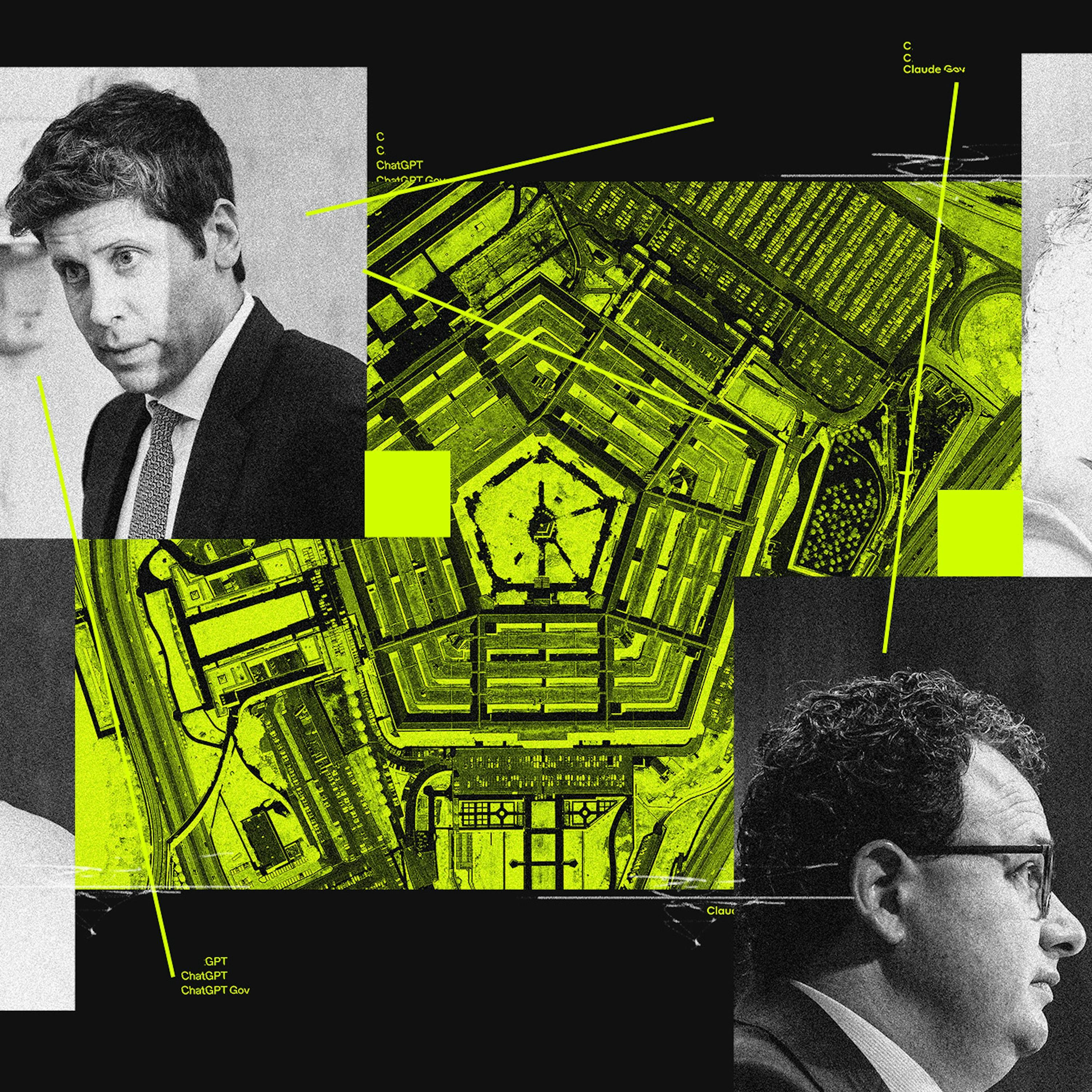
Contrary to public perception, Anthropic's leadership does not have a blanket moral objection to autonomous weapons systems. Their stated concern is that current AI models like Claude are not yet reliable enough for such critical applications. They even offered to help the Pentagon develop the tech for future use.

A key, informal safety layer against AI doom is the institutional self-preservation of the developers themselves. It's argued that labs like OpenAI or Google would not knowingly release a model they believed posed a genuine threat of overthrowing the government, opting instead to halt deployment and alert authorities.

If one AI company, like Anthropic, ethically refuses to remove safety guardrails for a government contract, a competitor will likely accept. This dynamic makes it nearly inevitable that advanced AI will be used for military purposes, regardless of any single company's moral stance.

Demis Hassabis argues that market forces will drive AI safety. As enterprises adopt AI agents, their demand for reliability and safety guardrails will commercially penalize 'cowboy operations' that cannot guarantee responsible behavior. This will naturally favor more thoughtful and rigorous AI labs.

The military doesn't need to invent safety protocols for AI from scratch. Its deeply ingrained culture of checks and balances, rigorous training, rules of engagement, and hierarchical approvals serve as powerful, pre-existing guardrails against the risks of imperfect autonomous systems.
The greatest risk to integrating AI in military systems isn't the technology itself, but the potential for one high-profile failure—a safety event or cyber breach—to trigger a massive regulatory overcorrection, pushing the entire field backward and ceding the advantage to adversaries.

Contrary to the 'killer robots' narrative, the military is cautious when integrating new AI. Because system failures can be lethal, testing and evaluation standards are far stricter than in the commercial sector. This conservatism is driven by warfighters who need tools to work flawlessly.
Countering the common narrative, Anduril views AI in defense as the next step in Just War Theory. The goal is to enhance accuracy, reduce collateral damage, and take soldiers out of harm's way. This continues a historical military trend away from indiscriminate lethality towards surgical precision.

Contrary to popular belief, military procurement involves some of the most rigorous safety and reliability testing. Current generative AI models, with their inherent high error rates, fall far short of these established thresholds that have long been required for defense systems.
The race for AI supremacy is governed by game theory. Any technology promising an advantage will be developed. If one nation slows down for safety, a rival will speed up to gain strategic dominance. Therefore, focusing on guardrails without sacrificing speed is the only viable path.