Get your free personalized podcast brief
We scan new podcasts and send you the top 5 insights daily.
The post-WWII order is collapsing as both Japan and Germany abandon their prohibitions on offensive militaries. This is empirical evidence that key allies no longer trust the American "military umbrella" for protection and are preparing for a multipolar world.

Related Insights
The American security umbrella has created a dependency culture that has stunted Europe's ability to think and act for itself on defense. This dynamic is a two-way street, with US policymakers also holding simplistic, condescending views of their European allies, perpetuating the cycle of strategic immaturity.

The reluctance of U.S. allies to develop a 'Plan B' is not from ignorance but from the sheer difficulty of the alternative. For 80 years, the U.S. security guarantee was a 'good deal' that allowed allies to focus on economic growth. Accepting its demise means undertaking painful, costly, and risky actions like massive defense buildups and nuclearization, a conclusion they would rather avoid.
America's unpredictable, "law of the jungle" approach doesn't embolden adversaries like Russia or China, who already operate this way. Instead, it forces traditional allies (Canada, Europe, Japan) to hedge their bets, decouple their interests, and reduce reliance on an unreliable United States for upholding international law.

Due to perceived US instability, traditional allies in Europe and Canada are proactively diversifying their partnerships. They are creating alternative trade and security networks (e.g., EU-India, Canada-EU) to reduce their dependence on the United States.

Recognizing the US may be unable or unwilling to defend it, Japan is shifting its strategy. It now explicitly names China as a threat and is building its own "porcupine" defense of unmanned systems to protract a conflict while waiting for US aid.

With the New START treaty gone and doubts about America's commitment to "extended deterrence," especially under Donald Trump, allies in Europe and Asia are debating acquiring their own nuclear weapons. This could lead to a dangerous proliferation free-for-all, increasing the risk of preemptive strikes.
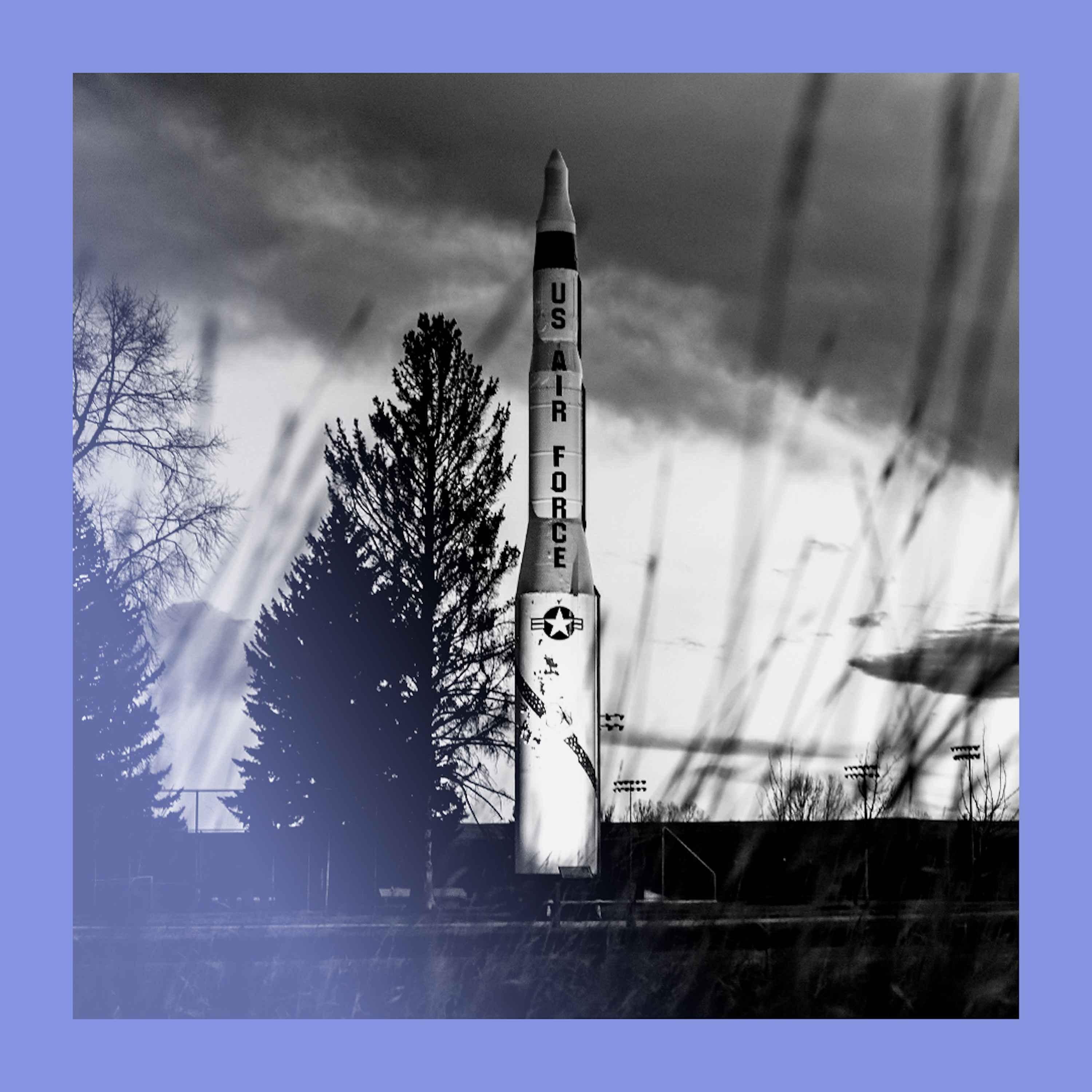
With the U.S. stepping back from its traditional leadership role, European countries are creating new, direct alliances to ensure their own security. A notable example is the emerging UK-Scandinavia-Baltic-Poland axis, which signals a fundamental shift in the continent's geopolitical architecture away from a singular reliance on Washington.

Nations like Poland pursuing nuclear weapons signals a global shift away from a rules-based international order. Countries increasingly realize national security depends on raw military and economic power, not alliances and treaties.

Allies like Europe and Latin America no longer trust the US as a stable partner, forcing them to build their own defense and trade systems independent of America. This loss of trust creates a long-term economic threat that a single 'reasonable' election cannot easily reverse.

Facing a potential US pullback and rising Chinese aggression, Japan's leadership is reportedly questioning its long-held "three non-nuclear principles." This signals a major strategic shift, potentially aiming to allow US nuclear vessels in its ports to establish a credible, independent deterrent against China.