Get your free personalized podcast brief
We scan new podcasts and send you the top 5 insights daily.
Recognizing the US may be unable or unwilling to defend it, Japan is shifting its strategy. It now explicitly names China as a threat and is building its own "porcupine" defense of unmanned systems to protract a conflict while waiting for US aid.

Related Insights
Unlike Europeans who have NATO and native nuclear powers as a potential fallback, major Asian allies like Japan and South Korea feel they have no viable alternative to the U.S. security guarantee. This perceived lack of options forces them into a strategy of accommodation and appeasement toward a transactional Trump administration, hoping to simply endure the term.

The most effective deterrent to a Chinese invasion of Taiwan isn't more U.S. technology, but a political commitment from Japan to fight from day one. Japan could bring significant military mass to the conflict in just two to three days, compared to the weeks required for U.S. forces.
Asian allies observed Iran withstanding US military pressure. This led them to question the efficacy of China's 'firepower strike complex,' increasing their own confidence in their ability to endure a similar assault from an outside aggressor.

While the U.S. talks about pushing back against China, its military position in East Asia has declined relative to China's rapid buildup. Unlike during the Cold War, U.S. leaders haven't committed the necessary resources or explained the stakes to the American public.

The United States' most powerful and asymmetric advantage over China is not military hardware, but its global network of allies and partners. Effective deterrence hinges on convincing Beijing it would face a broad, multi-front coalition—militarily and economically—not just a bilateral conflict with the U.S.

The Japanese government's new emphasis on economic security represents a fundamental philosophical shift away from global optimization and efficiency. This reorientation towards redundancy, autonomy, and supply chain resilience is now the primary driver of capital allocation into strategic sectors.

The Trump administration demands allies take more responsibility for regional security. Yet when Japan's leader did so regarding Taiwan and faced Chinese pressure, the U.S. prioritized its direct relationship with Beijing, effectively hanging a key ally "out to dry" and contradicting its own strategic doctrine.
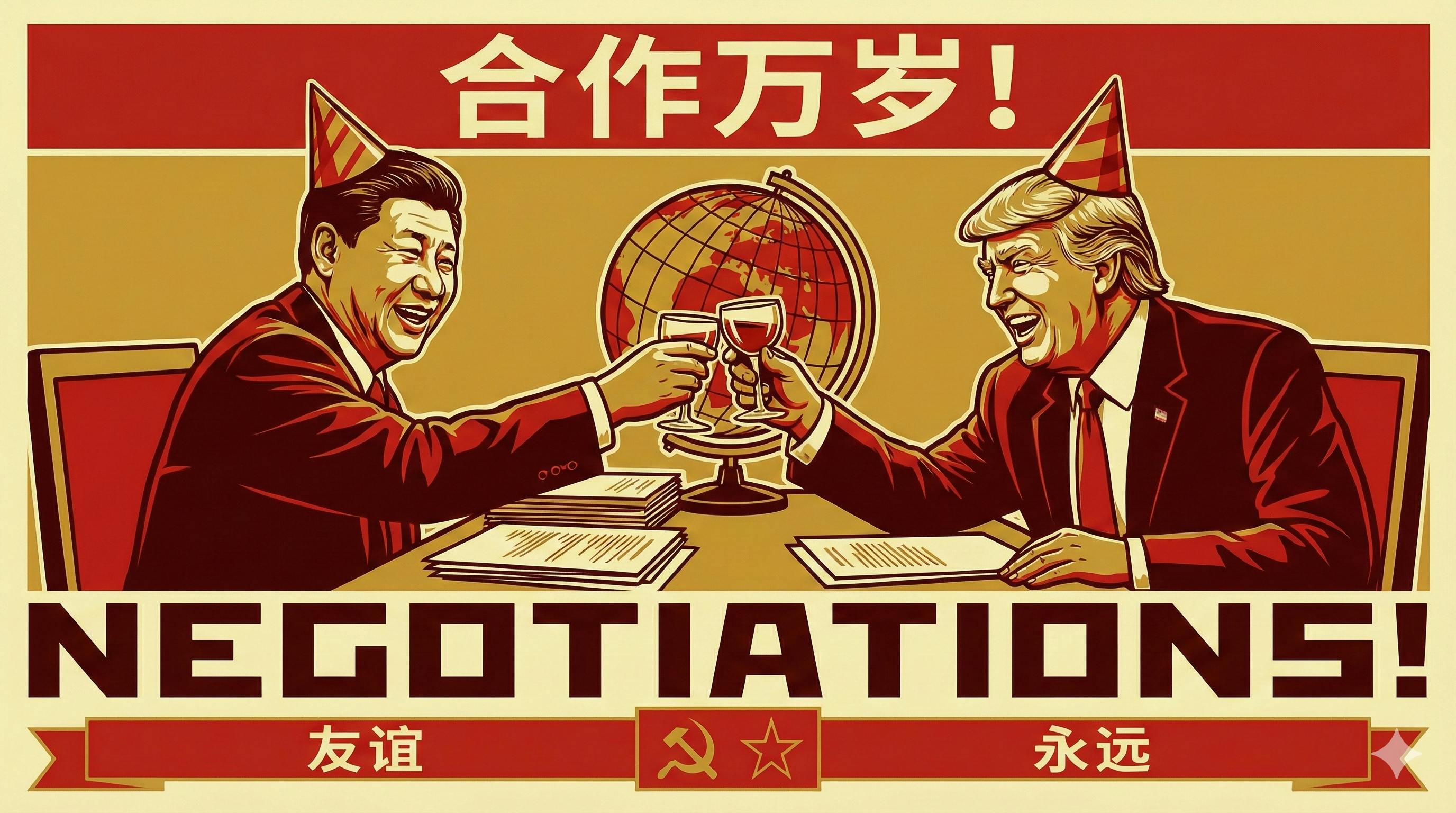
Japan's Ministry of Economy, Trade and Industry (METI) defines its economic security strategy through two core pillars. 'Strategic indispensability' means possessing superior, leverageable technology that others need. 'Autonomy' refers to having resilient supply chains for critical goods like energy and food. This dual framework guides their national policy.

Countries are rapidly increasing defense spending due to global instability and the US's shifting role. Massive backlogs for US equipment, like a reported 15-year wait for Patriot missiles, are forcing allies to invest in domestic production and R&D for assured supply.

Facing a potential US pullback and rising Chinese aggression, Japan's leadership is reportedly questioning its long-held "three non-nuclear principles." This signals a major strategic shift, potentially aiming to allow US nuclear vessels in its ports to establish a credible, independent deterrent against China.