Get your free personalized podcast brief
We scan new podcasts and send you the top 5 insights daily.
Nations like Poland pursuing nuclear weapons signals a global shift away from a rules-based international order. Countries increasingly realize national security depends on raw military and economic power, not alliances and treaties.

Related Insights
The post-WWII global framework, including international law, was a fragile agreement primarily enforced by the US. Its erosion is leading to a "might makes right" reality where nations like Russia, China, and the US act unilaterally in their perceived self-interest, abandoning the pretense of shared rules.

No longer a fringe academic theory, Poland is emerging as a top candidate for nuclearization. Its engineering capacity, wealth, and position next to an aggressive Russia and unreliable allies are driving serious consideration for its own nuclear deterrent, a topic now openly discussed by senior European military figures.

For generations, Western societies have viewed peace and prosperity as the default state. This perception is a historical outlier, making the return to 'dog eat dog' great power politics seem shocking, when in fact it's a reversion to the historical norm of conflict.

With the New START treaty gone and doubts about America's commitment to "extended deterrence," especially under Donald Trump, allies in Europe and Asia are debating acquiring their own nuclear weapons. This could lead to a dangerous proliferation free-for-all, increasing the risk of preemptive strikes.
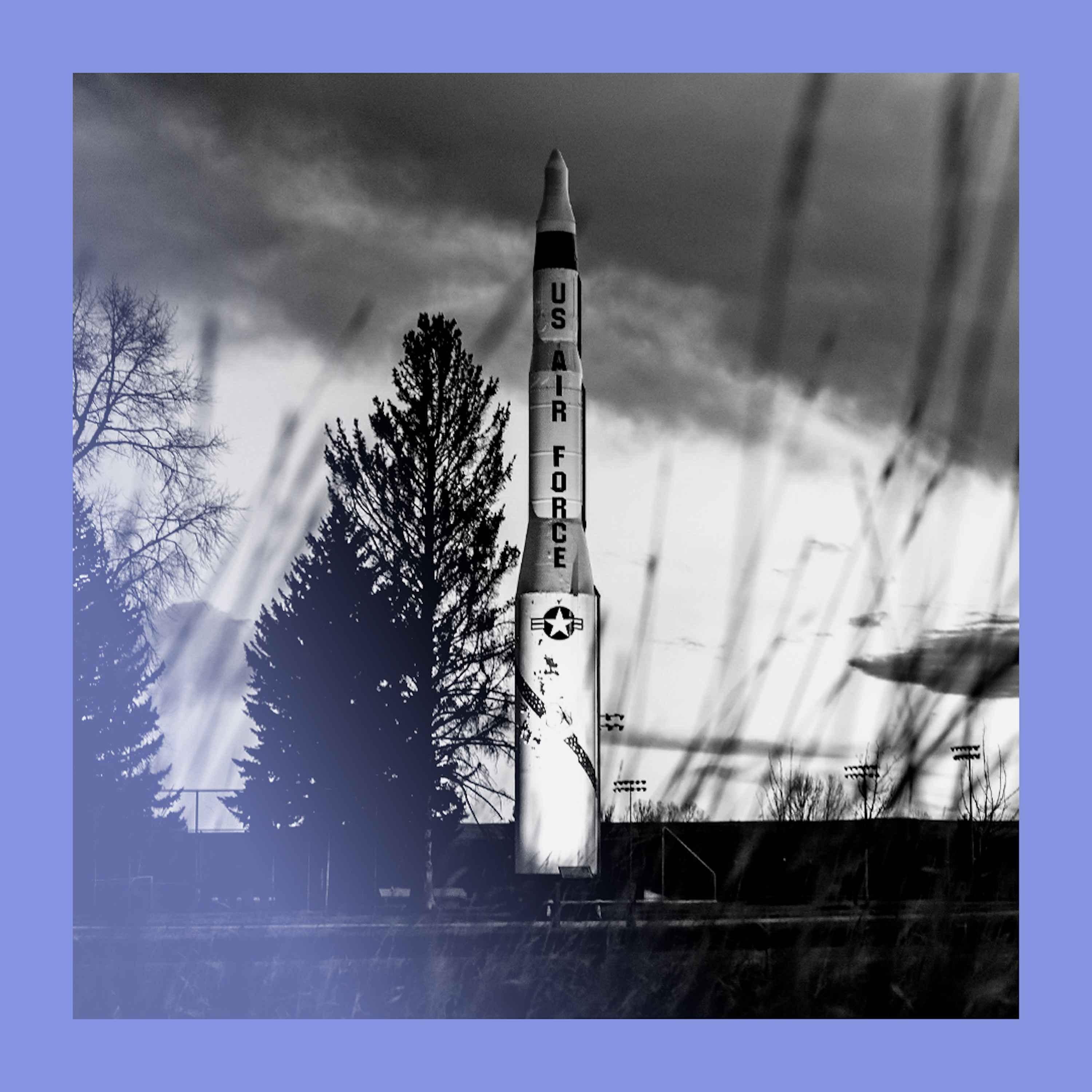
In global conflicts, a nation's power dictates its actions and outcomes, not moral righteousness. History shows powerful nations, like the U.S. using nuclear weapons, operate beyond conventional moral constraints, making an understanding of power dynamics more critical than moralizing.

With the U.S. stepping back from its traditional leadership role, European countries are creating new, direct alliances to ensure their own security. A notable example is the emerging UK-Scandinavia-Baltic-Poland axis, which signals a fundamental shift in the continent's geopolitical architecture away from a singular reliance on Washington.

The era of economic-led globalization is over. In the new world order, geopolitical interests are the primary driver of international relations. Economic instruments like tariffs and export restrictions are now used as levers to assert national interests, a fundamental shift from the US-centric view where the economy traditionally took the lead.

The current geopolitical landscape shows that nations with nuclear weapons can act with impunity, while non-nuclear nations are vulnerable. The West's hesitant support for Ukraine reinforces this lesson, creating a rational incentive for smaller countries to pursue their own nuclear deterrents, risking dangerous proliferation.
The post-Cold War era of stability is over. The world is returning to an 'Old Normal' where great power conflict plays out in the economic arena. This new state is defined by fiscal dominance, weaponized supply chains, and structurally higher inflation, risk premia, and volatility.

The last 80 years of a rules-based international order was an exception, not the norm. The world is reverting to its historical state of raw power politics, where nations act out of self-interest and military strength.