Get your free personalized podcast brief
We scan new podcasts and send you the top 5 insights daily.
Butterworth's became a 'MAGA restaurant' not by design, but because one conservative investor, Rahim Kassam, drove the majority of initial reservations. His network became the core early audience, organically cementing the restaurant's political identity before it could define itself.

Related Insights
In heavily regulated or legally ambiguous industries, a founder's most valuable asset can be political connections. One startup literally used a pitch deck slide showing its co-founder with prominent politicians to signal their ability to influence future legislation in their favor. This represents a stark, real-world "crony capitalism" business strategy.

Consumer brand loyalty can act as a proxy for geopolitical alignment. In Iraq, Pepsi dominates in Arab parts of the country, while in the northern Kurdish region, whose economy is closely tied to Turkey's, Coca-Cola is overwhelmingly preferred. This demonstrates how supply chains and political affiliations dictate market share.
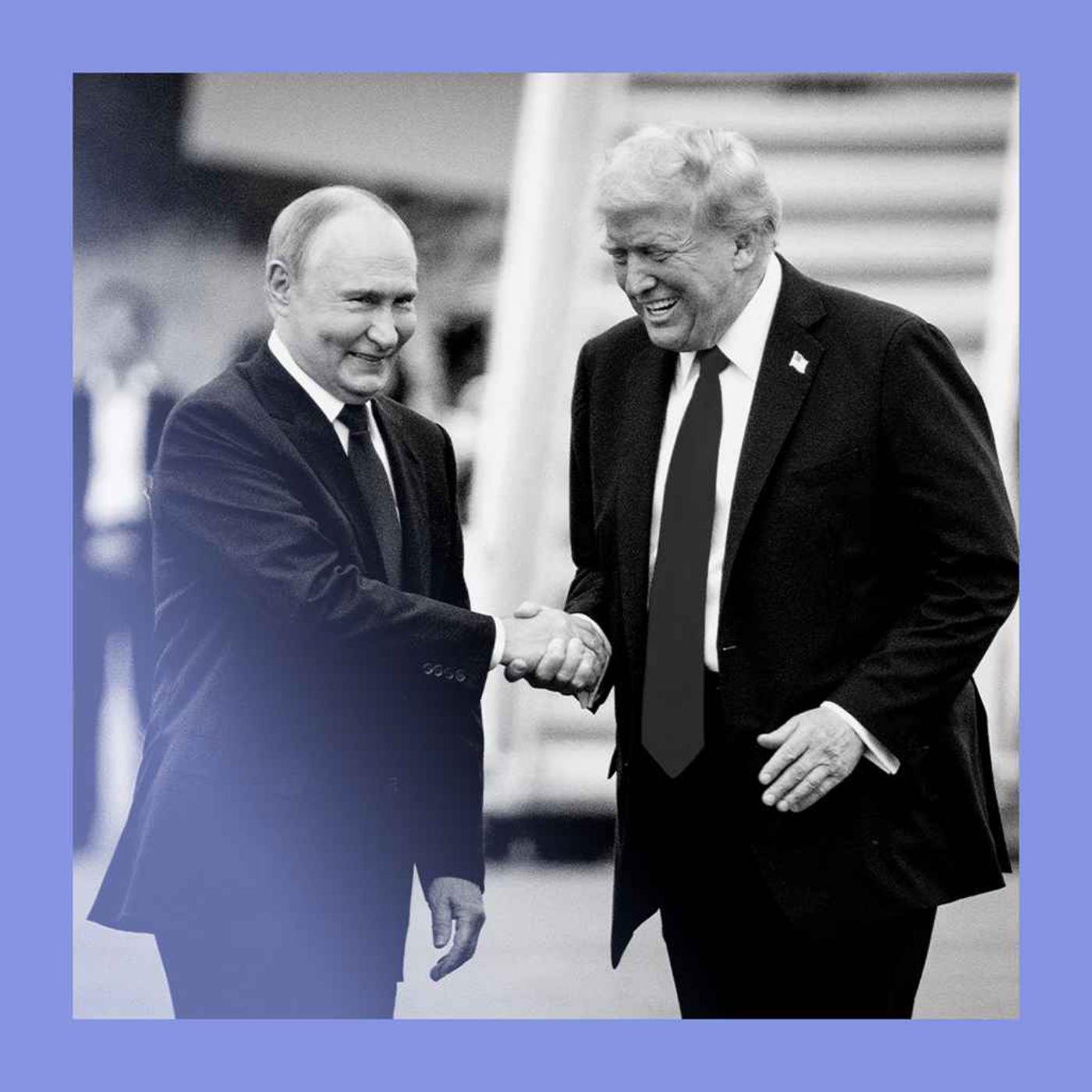
The MAGA movement didn't spontaneously arise with Donald Trump. It was the result of a decade-long media strategy by figures like Rupert Murdoch. By acquiring and synchronizing messaging across AM radio stations and Sinclair Broadcasting's local news networks, they cultivated a national conservative base long before Trump's political ascent.

Restaurants are a notoriously poor financial investment. Their true value for investors is 'social ROI': the status, the convenience of always having a good table, and a personal venue for entertaining friends and clients. It's an investment in lifestyle, not capital growth.
Despite the campaign being heavily promoted by right-wing figures, the CMO's internal data showed customer growth across the entire US, including in Democratic strongholds like New York and L.A. This suggests the campaign's appeal as a "national phenomenon" transcended the political narrative and resonated broadly with consumers.

Charlie Kirk's political power grew by strategically positioning himself as a direct opponent to the "woke movement" and "cancel culture" on college campuses. This narrative was highly effective in persuading conservative donors that his confrontational approach was a necessary fight, turning cultural discourse into a powerful fundraising mechanism.
Modern populists gain influence by creating organic content that captures algorithmic attention, effectively turning a small campaign budget into disproportionate reach. This bottom-up strategy bypasses traditional, money-driven political machines by treating social attention as the primary currency, not dollars.

To make their highly innovative restaurant accessible, the Alinea founders banned alienating words like "avant-garde" and "science" from their vocabulary. Instead, they strategically repeated "fun" and "delicious" in every single interview, consciously shaping public perception and attracting a broader audience through disciplined messaging.
![Nick Kokonas - Know What You Are Selling - [Invest Like The Best, REPLAY] thumbnail](https://megaphone.imgix.net/podcasts/c7f11b7e-e516-11f0-8700-239aa8e47bb9/image/552faf7d658b75e441e80eef4cf6b0b3.jpg?ixlib=rails-4.3.1&max-w=3000&max-h=3000&fit=crop&auto=format,compress)
Hedge funds like Janna Partners team up with celebrities like Travis Kelsey not just for capital, but to sway public opinion and influence other shareholders. These campaigns function like political elections where celebrity endorsements can tip the scales, transforming a financial story into a cultural one.

Andreessen Horowitz first established "American Dynamism" as a public narrative and investment practice, using its main venture fund for initial deals. This "meme-first" strategy built momentum and a track record, proving the thesis before they raised a dedicated, specialized fund.