Get your free personalized podcast brief
We scan new podcasts and send you the top 5 insights daily.
To make their highly innovative restaurant accessible, the Alinea founders banned alienating words like "avant-garde" and "science" from their vocabulary. Instead, they strategically repeated "fun" and "delicious" in every single interview, consciously shaping public perception and attracting a broader audience through disciplined messaging.
![Nick Kokonas - Know What You Are Selling - [Invest Like The Best, REPLAY] thumbnail](https://megaphone.imgix.net/podcasts/c7f11b7e-e516-11f0-8700-239aa8e47bb9/image/552faf7d658b75e441e80eef4cf6b0b3.jpg?ixlib=rails-4.3.1&max-w=3000&max-h=3000&fit=crop&auto=format,compress)
Related Insights
To truly change a brand's narrative, marketing's 'talking the talk' is insufficient. The product experience itself must embody the desired story. This 'walking the walk' through the product is the most powerful way to shape core brand perception and make the narrative shareable.

Aldi transformed its low-price, no-name-brand image into a cultural phenomenon. By leaning into the 'fun of frugality' and creating experiences like the 'Aldi Aisle of Shame,' they built a powerful fandom and brand identity around the very absence of traditional brands, turning a weakness into a core strength.
The campaign's simple 'keep thinking' message subtly reframes Anthropic's AI as a human-augmenting tool. This marks a significant departure from the company's public reputation for focusing on existential AI risk, suggesting a deliberate effort to build a more consumer-friendly and less threatening brand.

The founders of Alinea, one of the world's top restaurants, intentionally ran it as a business first, not an art project. This counterintuitive approach for a creative venture generated profits that could be reinvested into the artistic experience, creating a virtuous cycle that fueled its world-class success.
Breakthrough marketing doesn't just need to be different; it needs to create a sense of instant familiarity. The goal is to innovate in a way that makes people feel like they've seen it before or that it's a natural extension of a known concept, like the 'Where's the beef?' campaign. This combination of novelty and familiarity is the 'secret sauce.'
Chief's CEO reframes the community's application process not as a means of exclusion, but as a way to be "intentional." This positioning ensures a baseline of shared leadership experience for valuable peer conversations, avoiding the negative connotations of elitism while maintaining quality.
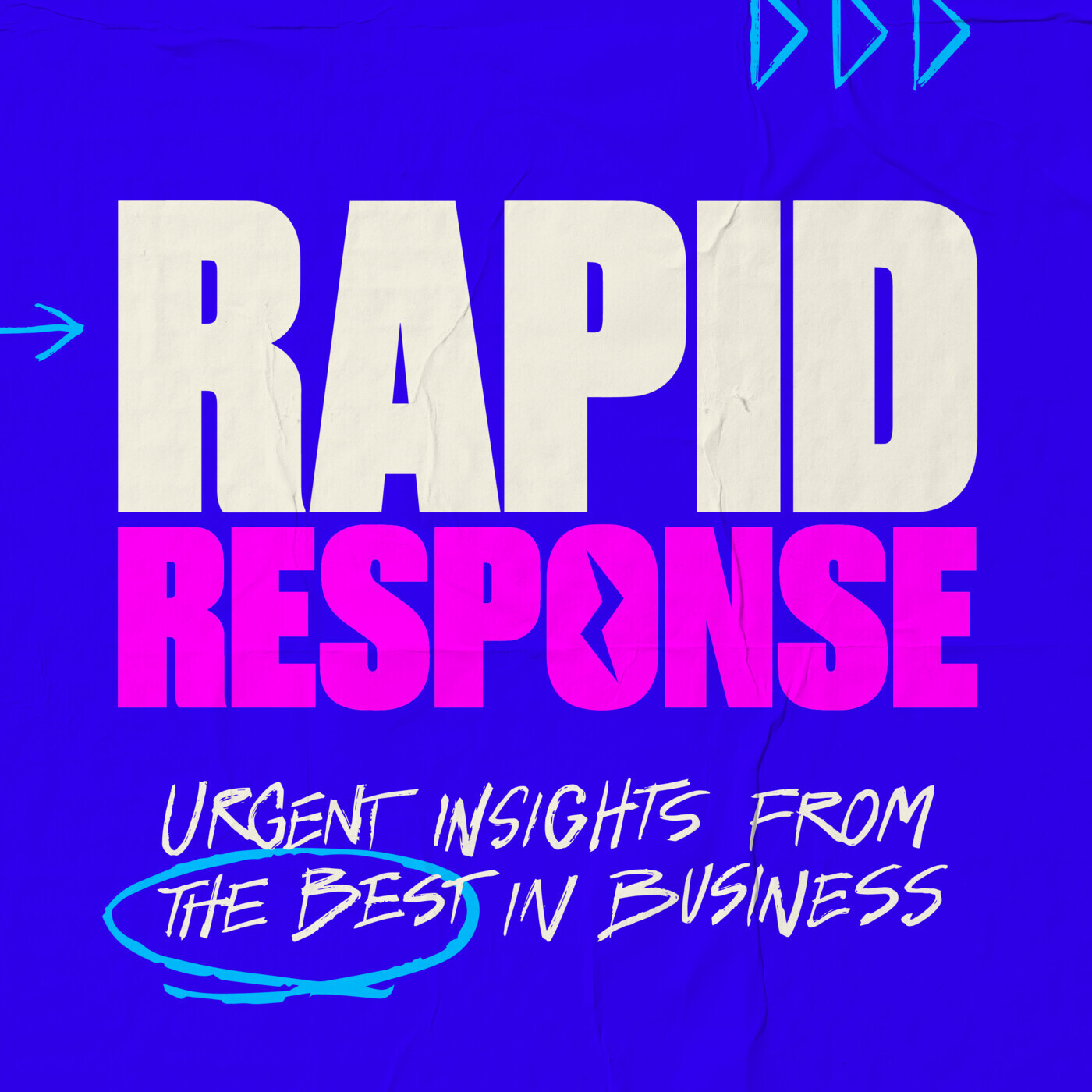
Marketing guru David Aaker argues that for a brand to stand out, being different isn't enough. The point of differentiation must be actively "intriguing" to capture attention and resonate with audiences. He cites the Haas Business School's "confidence without attitude" as an example of an intriguing brand pillar.
A brand that tries to please everyone is memorable to no one. To build a truly strong brand, you must be willing to be disliked by some. Intentionally defining who your customer is *not* and creating polarizing content sharpens your identity, fostering a passionate community among those who love what you stand for.

Hexclad defined its brand not by product features but by an aspirational identity: "badass." This broad, inclusive concept connects with diverse customers by reframing cooking as an act of empowerment, making the brand accessible to anyone.

Founder Nima Jalali intentionally designed packaging, branding, and content to feel large and established from day one. This strategy attracted customers and premium retailers by projecting success long before the company achieved scale, bucking the trend of appearing like a scrappy startup.