Get your free personalized podcast brief
We scan new podcasts and send you the top 5 insights daily.
Iran's strategy is to leverage the US midterm elections to its advantage. By maintaining pressure and keeping gas prices high, Iran can weaken President Trump politically, aiming to make him a "lame duck" president. This turns the US domestic political calendar into a key battleground, forcing Trump to negotiate from a position of weakness.

Related Insights
A sophisticated foreign adversary can strategically drag out a conflict to negatively impact the US economy before midterm elections. The resulting voter frustration, for instance from high gas prices, can cripple a sitting president's party, stall their agenda, and weaken their geopolitical standing.

A loss in the upcoming midterm elections, potentially triggered by a perceived defeat in Iran or a resulting economic crisis, would likely result in impeachment proceedings and paralyze his domestic agenda. Escalating the conflict is a high-risk gamble to prevent this political outcome.

The ongoing war with Iran is undermining what the speaker calls Trump's "three political superpowers": his ability to shape reality, his use of coercive leverage, and his dominion over the Republican party. The visible negative consequences, like rising gas prices, make his narratives unbelievable and expose his weakened influence over allies and his own party.

Iran's strategy is not to win a conventional war but to play a waiting game, believing it can withstand damage until the U.S. loses its political will to continue the conflict, especially with an unpopular president facing midterms. This turns the situation into a potential "forever war" where the exit strategy is the main challenge.

The public threats of a military strike against Iran may be a high-stakes negotiating tactic, consistent with Trump's style of creating chaos before seeking a deal. The goal is likely not war, which would be politically damaging, but to force Iran into economic concessions or a new agreement on US terms.

Iran's strategy isn't a quick military victory but a war of attrition. By accepting a long timeline and inflicting small but consistent damage, it aims to erode US domestic support for the war, especially in an election year, and outlast the current administration.

Iran's leadership is betting it can withstand economic pressure longer than the US president can tolerate rising gas prices and diplomatic fallout ahead of midterm elections. Having survived past sanctions, Iran believes its autocratic regime has more staying power than an American administration facing voter discontent.
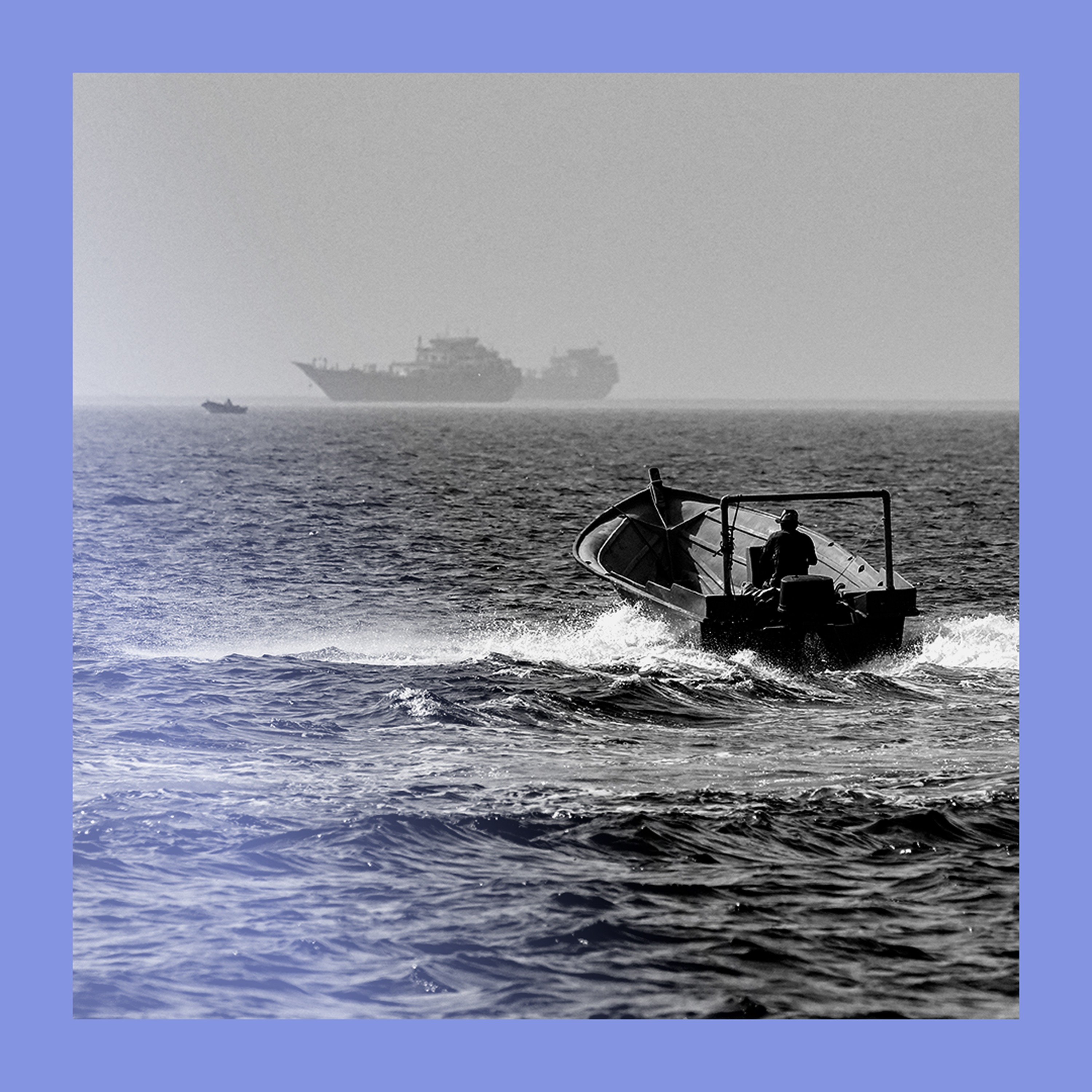
Contrary to decades of public statements prioritizing low gas prices, President Trump is prolonging the Iran conflict despite oil soaring over $100. The political cost of being perceived as weak and handing Iran a narrative victory outweighs the economic pain for him in this context.

Iran benefits from dragging out negotiations until the US midterms. The US administration's need for a quick economic and political win puts them in a weaker position, forcing concessions like upfront sanctions relief.

Despite significant military losses, Iran is successfully leveraging its control over the Strait of Hormuz. This asymmetric strategy chokes global energy markets, creating economic pain that Western nations may be less willing to endure than Iran, potentially snatching a strategic victory from a tactical defeat.
