Get your free personalized podcast brief
We scan new podcasts and send you the top 5 insights daily.
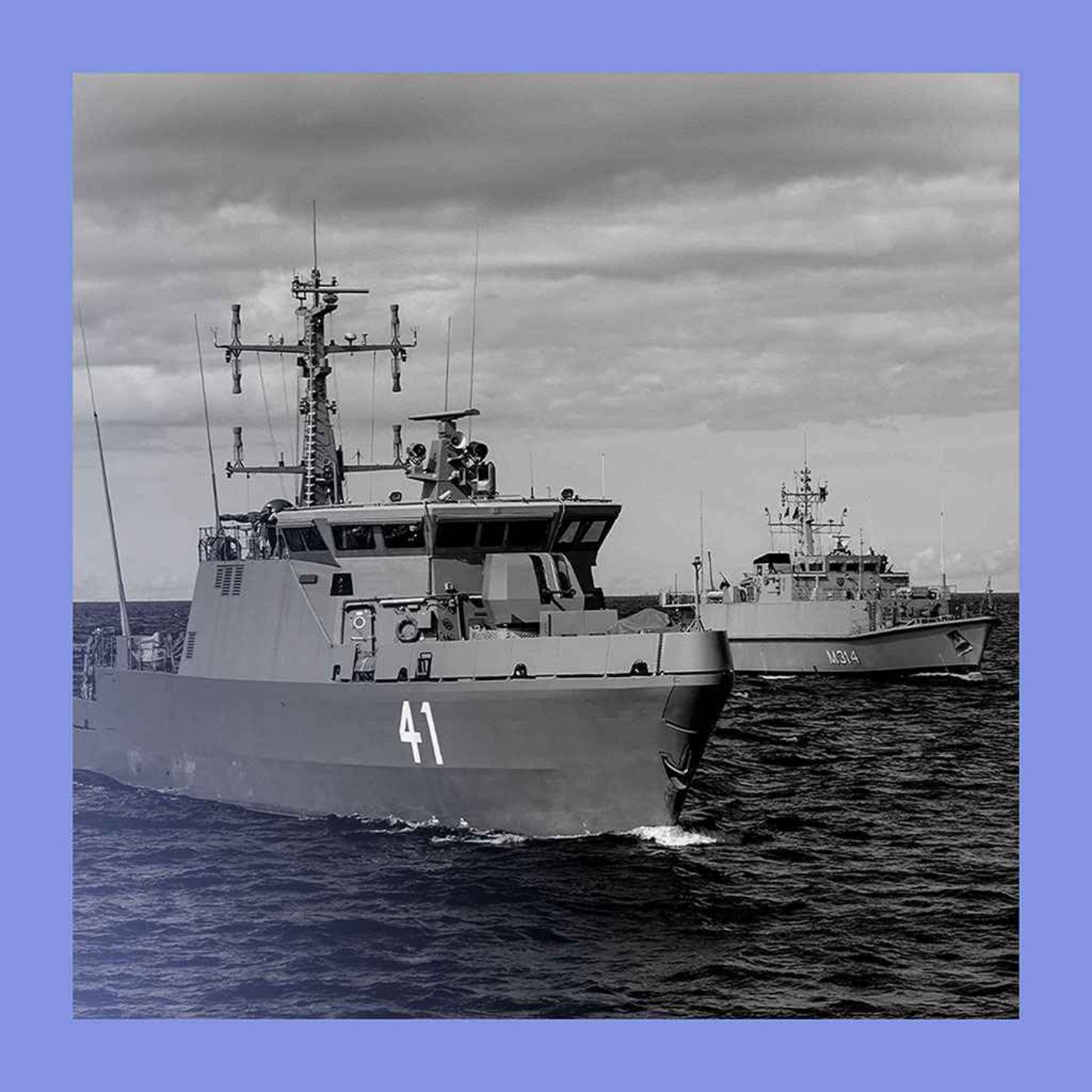
Illicit maritime operations are increasingly run by opportunistic, international middlemen serving multiple clients, not just Russia or China. This for-profit model, motivated by money rather than ideology, complicates attribution and enforcement efforts by Western governments.
Related Insights
Many foreign-based social media accounts promoting extremist views aren't state-sponsored propaganda. Instead, they are run by individuals in developing nations who have discovered that inflammatory content is the easiest way to gain followers and monetize their accounts. This reframes the issue from purely geopolitical influence to include economic opportunism.

Sanctions on major Russian oil companies don't halt exports but instead push them into opaque channels. Russia uses independent traders and restructured ownership to create "unknown" cargos, removing sanctioned company names from documents. This model, proven with smaller firms, maintains export volumes while obscuring the oil's origin.

A novel form of organized crime involves gangs buying small, established freight forwarding businesses. They leverage the company's legitimate reputation to take possession of high-value shipping containers, steal the goods, and then promptly shut down the business and disappear, making the crime nearly untraceable.

The core vulnerability enabling shadow fleets is the international "flag state" system. Opportunists create fake online registries for non-existent or uninhabited territories, such as a rock in the Pacific, allowing vessels to operate with impunity in international waters.
The U.S. faces adversaries who are actively collaborating, rendering a siloed response insufficient. Victory requires an integrated effort combining the government, the traditional defense industrial base, and agile innovators, creating unique partnerships to move faster than the competition.

Non-governmental organizations, originally for relief and charity, were co-opted by intelligence agencies for statecraft. Their philanthropic cover provides deniability for covert operations like running supplies, money, and guns, making them effective fronts for what the speaker terms 'the dirtiest deeds.'

Viewing geopolitics through the lens of "what China is doing" is a flawed model. Reality consists of individuals and cohorts struggling for power. Nation-states are just the largest "gangs," distracting from the real controllers—like undisclosed central bank shareholders—who wield more power than any politician.

Drug trafficking has shifted from vertically integrated cartels to a fluid network of specialized subcontractors. This model, similar to tech manufacturing, makes the supply chain more resilient to disruption and fosters innovation in cultivation, smuggling, and money laundering, making it harder for law enforcement to disrupt.
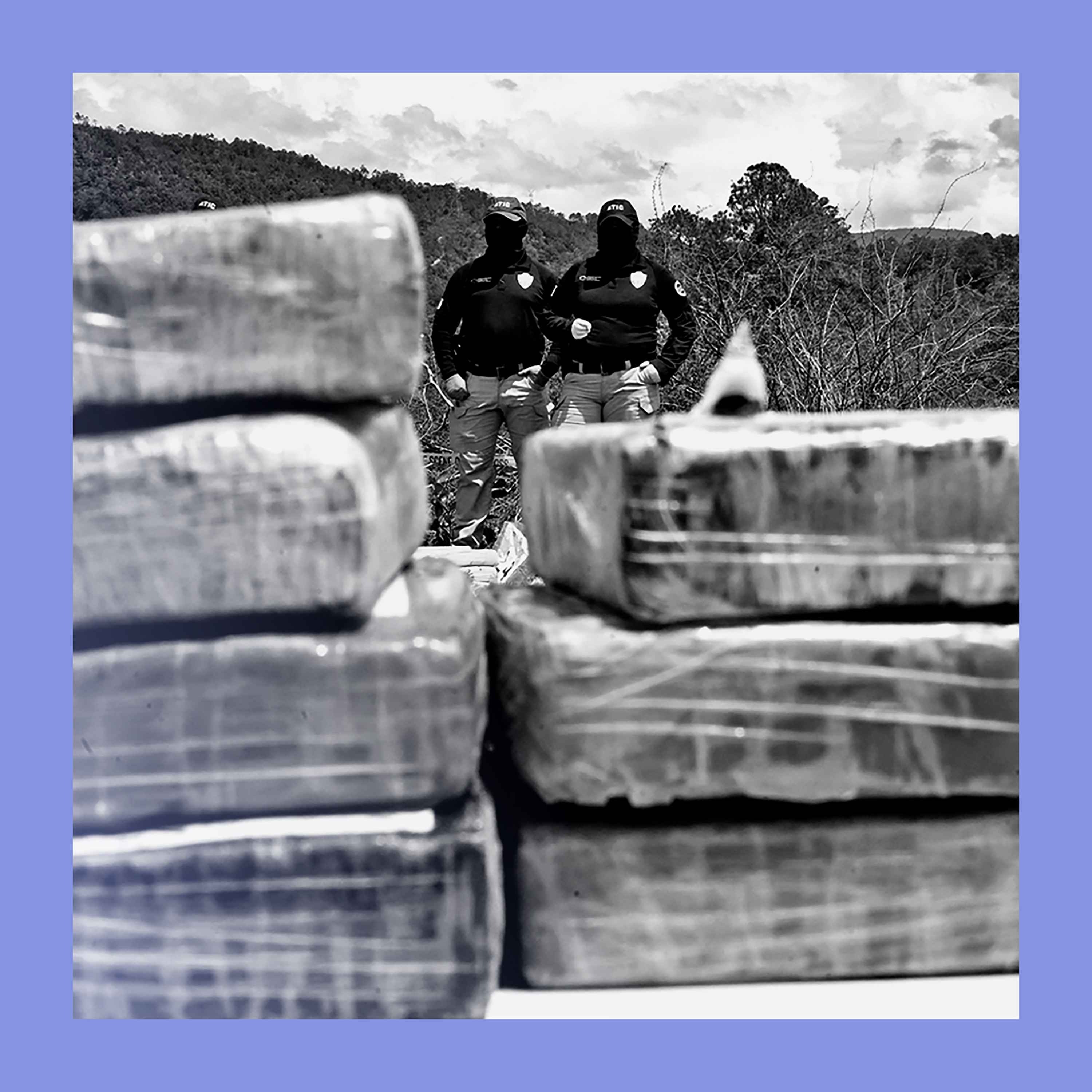
The Maduro regime is not just a corrupt petrostate; it is a diversified criminal enterprise. It has expanded into drug trafficking, gold smuggling, and human trafficking, turning Venezuela into a safe haven for global criminal networks, terrorist groups, and adversaries like Russia and Iran.

In Russia, nominally private companies like Gazprom function as direct extensions of the state. Their international investments are designed not just for profit but to achieve geopolitical goals, creating a system where foreign policy, business interests, and the personal wealth of the ruling class are completely inseparable.
