Get your free personalized podcast brief
We scan new podcasts and send you the top 5 insights daily.
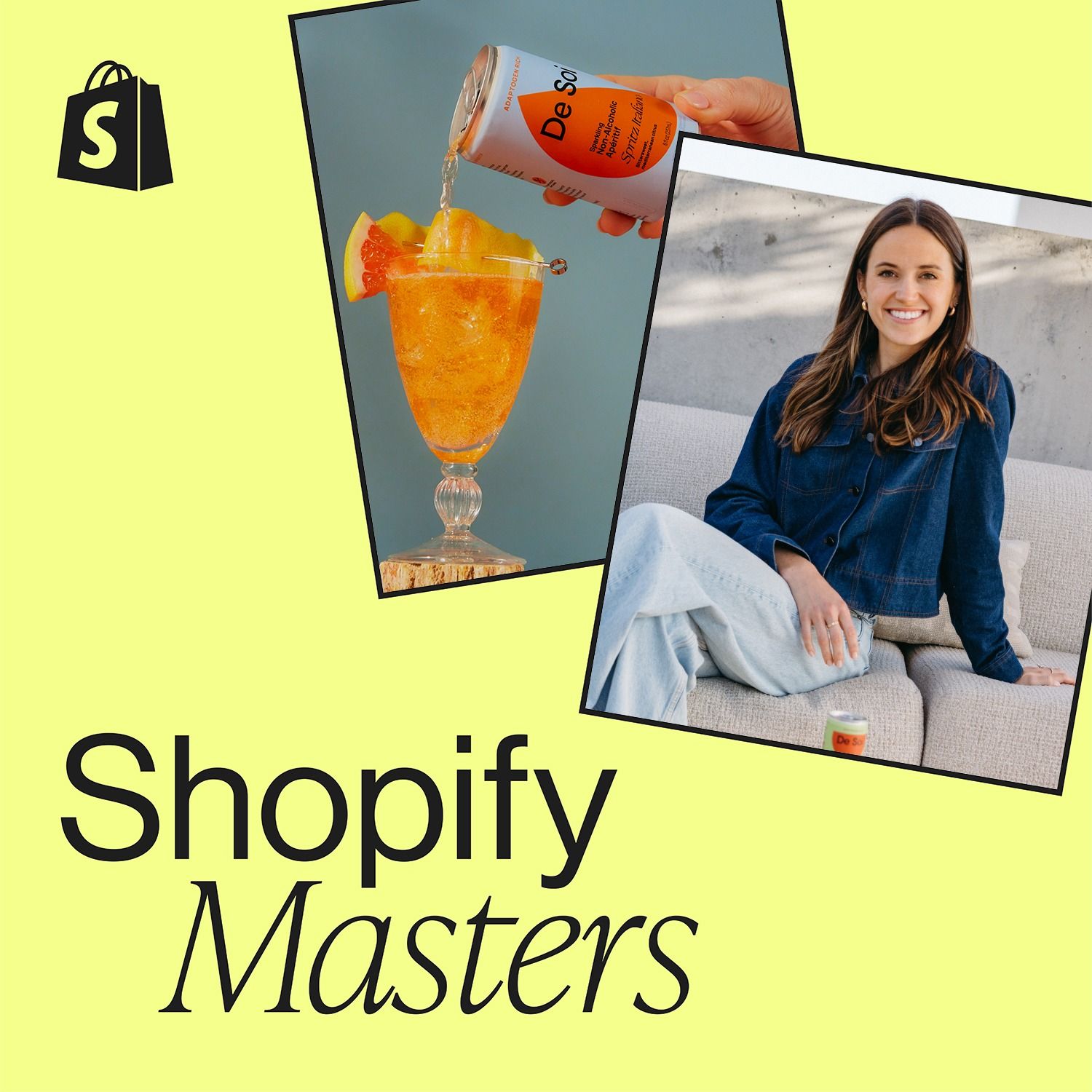
De Soi's co-founder Katy Perry provides more than social media reach. Her involvement creates a "flywheel effect," granting unfair advantages like securing initial meetings with major retailers, features in top-tier press (Vogue), and attracting crucial early-stage capital that a typical startup couldn't access.
Related Insights
A 'Joe Rogan CEO' is a founder who can captivate audiences for hours in unscripted, long-form content. This rare ability creates a powerful 'reality distortion field' that attracts a vortex of talent, capital, and customers, an advantage that is nearly impossible to replicate with a marketing budget.
While the celebrity beverage market is crowded, a key advantage for stars like Ben Stiller is direct access to retail executives. A-list fame ensures that a call to the CEO of a major chain like Walmart will be taken, potentially fast-tracking distribution deals that would take a typical startup years to secure.

A top-tier VC's primary value isn't just capital; it's the immediate credibility they lend to a startup that may not have earned it yet. This credibility is then 'harvested' to attract elite talent, future funding, and crucial brand momentum.
While many celebrity brands hit a valuation ceiling around $1 billion, Skims has broken through by aggressively pursuing a multi-channel strategy. Expanding into a significant number of physical retail stores is the crucial step that elevates a personality-driven brand into a durable, multi-billion-dollar enterprise.

Hedge funds like Janna Partners team up with celebrities like Travis Kelsey not just for capital, but to sway public opinion and influence other shareholders. These campaigns function like political elections where celebrity endorsements can tip the scales, transforming a financial story into a cultural one.

Don't dismiss the success of celebrity brands as unattainable. Instead, analyze the core mechanism: massive 'free reach' and 'memory generation.' The takeaway isn't to hire a celebrity, but to find your own creative ways to generate a similar level of organic attention and build a tribe around your brand.
By not featuring co-founder Katy Perry on its cans, De Soi builds an identity separate from its celebrity backer. This creates long-term brand equity and attracts customers who discover the product organically, ensuring loyalty is to the brand itself—a crucial factor for a potential future acquisition.
Baby2Baby transformed celebrity involvement from simple PR into a powerful negotiation tool. They offered celebrity endorsements to corporations like Huggies in exchange for multi-million dollar grants and massive product donations, creating a win-win-win flywheel for growth.

For celebrities, the most effective path to massive wealth isn't always starting their own company. A more strategic approach is to identify a promising brand and exchange social capital for a significant equity stake, as Roger Federer did with On. This leverages influence without the operational burden of building a business from scratch.
QED Investors realized they were misusing their famous founder, Nigel Morris, by only bringing him in for the final call. They now strategically deploy him early in the process to open doors and build relationships with target companies, using his reputation as an asset for outreach, not just a closing tool.
