Get your free personalized podcast brief
We scan new podcasts and send you the top 5 insights daily.
A common objection—that mirror life would starve—is incorrect. The human body is rich in achiral nutrients (molecules without a mirror-image form), like acetate and glycerol. Mirror bacteria can readily metabolize these, allowing them to grow rapidly without needing to consume our body's chiral molecules.
Related Insights
The immune system fails because of a cascade effect. Our adaptive immune system (antibodies) depends on activation signals from the innate system. Because the innate system's receptors can't bind to mirror molecules, the initial alarm is never sounded, preventing the entire defensive chain of command from launching.
The gut microbiome exists in a stable state with a resilience that makes it difficult to alter permanently. After short-term disruptions like antibiotics or diet changes, it often 'snaps back' to its original composition. This means meaningful, long-term change requires sustained effort to establish a new, stable microbial state rather than temporary interventions.

The fundamental immune mechanisms that mirror life bypasses (pattern recognition receptors) are conserved across the tree of life. This means plants and insects are also vulnerable, making mirror life a catastrophic threat to agriculture and entire ecosystems, not just vertebrates.
Contrary to popular belief, the majority of stool weight is not leftover food. Approximately 60% is composed of the trillions of microorganisms that make up your gut microbiome. This fact reframes bowel movements as a direct indicator of your internal ecosystem's health and composition.

Unlike typical pathogens, mirror bacteria would be immune to their natural predators like viruses (bacteriophages). This advantage could allow them to proliferate uncontrollably in soil and oceans, creating a permanent environmental reservoir for infection and potentially outcompeting essential natural microbes.
Researchers can avoid the immense risk of creating mirror life for study. Instead, they can develop mirror-image countermeasures (like mirror antibodies) and test them against normal bacteria. If effective, the 'normal' version of that countermeasure would work against mirror life, allowing for safe R&D.
Butyrate, a short-chain fatty acid from gut bacteria, functions similarly to HDAC inhibitor drugs used in cancer therapy. This provides a scientific mechanism for how diet impacts myeloma, revealing its role in anti-tumor and anti-inflammatory pathways.

Marine cyanobacteria, essential to the carbon cycle, are controlled by viruses. A mirror version would be immune, potentially leading to explosive population growth. This could act as a massive, unpredictable carbon sink, sequestering enough atmospheric CO2 to catastrophically alter the climate and risk an ice age.
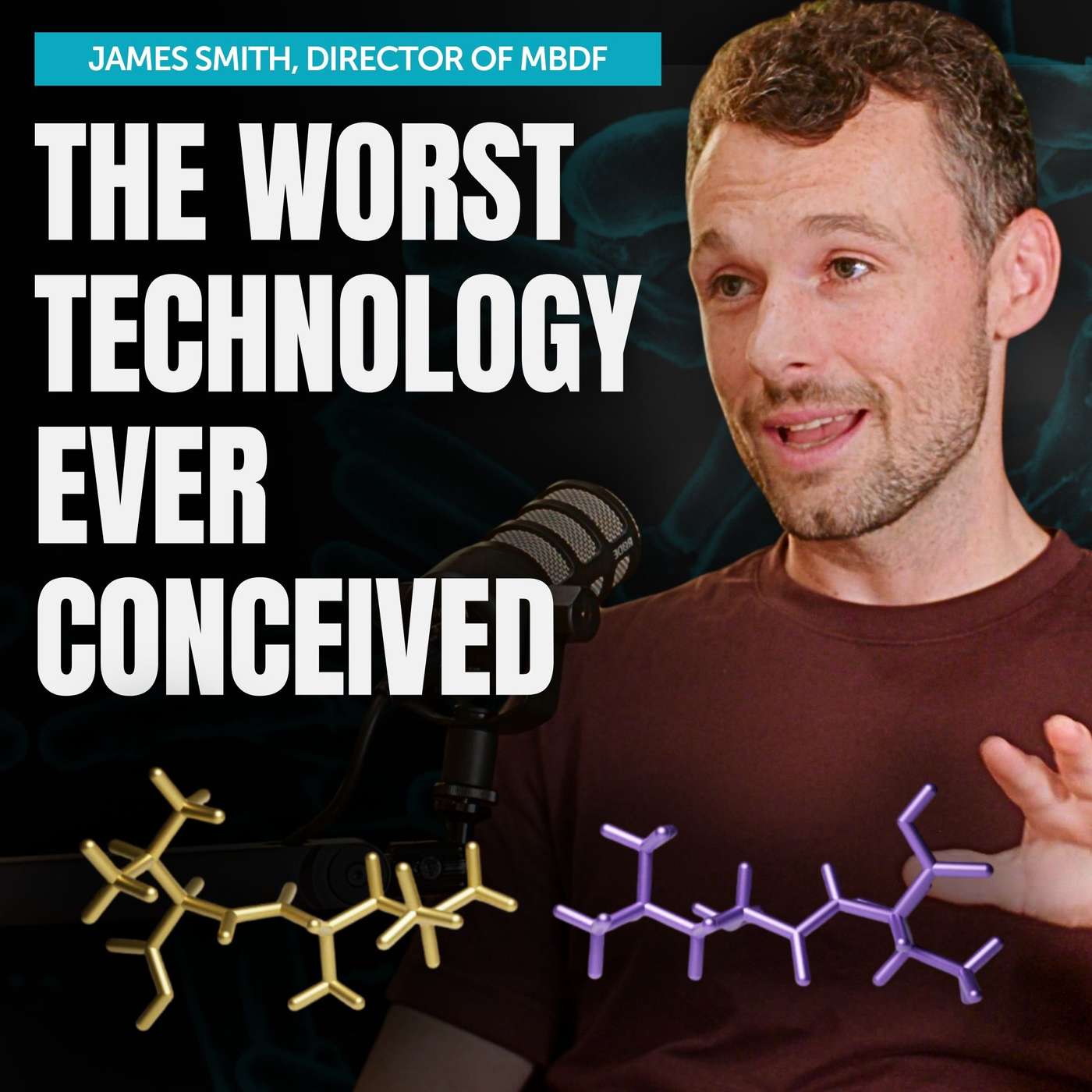
Mirror life's molecules are mirror images of normal biology. Our immune receptors, like right-handed gloves, cannot properly bind to these 'left-handed' pathogens. This fundamental shape mismatch, not just novelty, prevents an effective immune response, making it a uniquely dangerous threat.
A common misconception is that engineered life would be feeble like current lab-created 'minimal cells'. In reality, a bad actor would create a mirror version of a naturally robust bacterium like E. coli, not a fragile lab specimen, to ensure its survival and virulence in the natural environment.