Get your free personalized podcast brief
We scan new podcasts and send you the top 5 insights daily.
Marks argues that speculative bubbles form around 'something new' where imagination is untethered from reality. The AI boom, like the dot-com era, is based on a novel, transformative technology. This differs from past manias centered on established companies (Nifty 50) or financial engineering (subprime mortgages), making it prone to similar flights of fancy.

Related Insights
Speculative manias, like the AI boom, function like collective hallucinations. The overwhelming belief in future demand becomes self-fulfilling, attracting capital that builds tangible infrastructure (e.g., data centers, fiber optic cables) long before cash flows appear, often leaving lasting value even after the bubble bursts.

Similar to the dot-com era, the current AI investment cycle is expected to produce a high number of company failures alongside a few generational winners that create more value than ever before in venture capital history.
Today's massive AI company valuations are based on market sentiment ("vibes") and debt-fueled speculation, not fundamentals, just like the 1999 internet bubble. The market will likely crash when confidence breaks, long before AI's full potential is realized, wiping out many companies but creating immense wealth for those holding the survivors.

Frame AI as a fundamental productivity shift, like the personal computer, that will achieve total market saturation. It's not a speculative bubble but a new, permanent layer of the economy that will be integrated into every business, even a local taco truck.

The current AI spending spree by tech giants is historically reminiscent of the railroad and fiber-optic bubbles. These eras saw massive, redundant capital investment based on technological promise, which ultimately led to a crash when it became clear customers weren't willing to pay for the resulting products.

The current AI boom isn't just another tech bubble; it's a "bubble with bigger variance." The potential for massive upswings is matched by the risk of equally significant downswings. Investors and founders must have an unusually high tolerance for risk and volatility to succeed.

Current AI investment patterns mirror the "round-tripping" seen in the late '90s tech bubble. For example, NVIDIA invests billions in a startup like OpenAI, which then uses that capital to purchase NVIDIA chips. This creates an illusion of demand and inflated valuations, masking the lack of real, external customer revenue.

Vincap International's CIO argues the AI market isn't a classic bubble. Unlike previous tech cycles, the installation phase (building infrastructure) is happening concurrently with the deployment phase (mass user adoption). This unique paradigm shift is driving real revenue and growth that supports high valuations.
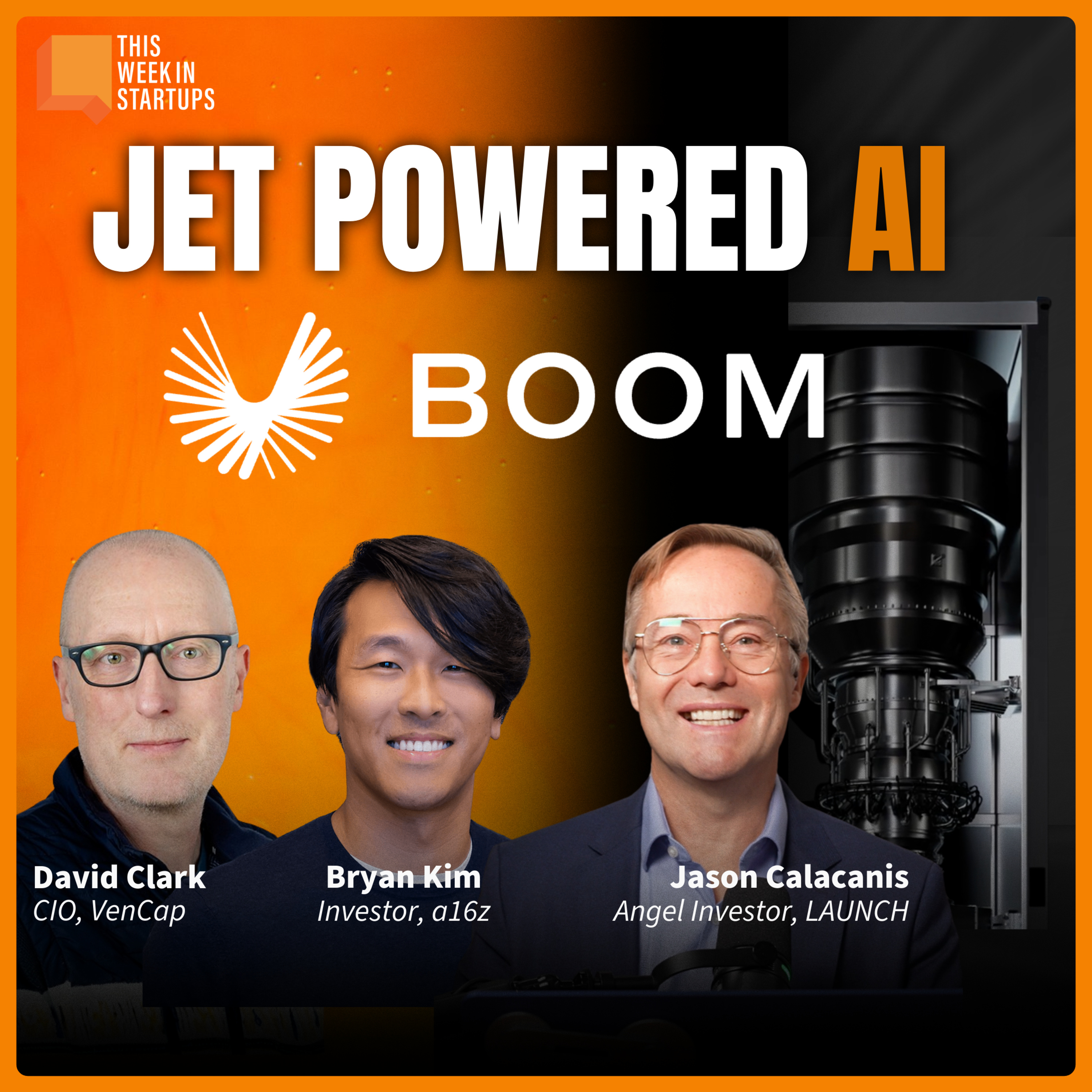
The risk of an AI bubble bursting is a long-term, multi-year concern, not an imminent threat. The current phase is about massive infrastructure buildout by cash-rich giants, similar to the early 1990s fiber optic boom. The “moment of truth” regarding profitability and a potential bust is likely years away.

Howard Marks distinguishes between two bubble types. "Mean reversion" bubbles (e.g., subprime mortgages) create no lasting value. In contrast, "inflection bubbles" (e.g., railroads, internet, AI) fund the necessary, often money-losing, infrastructure that accelerates technological progress for society, even as they destroy investor wealth.
