Get your free personalized podcast brief
We scan new podcasts and send you the top 5 insights daily.
Speculative manias, like the AI boom, function like collective hallucinations. The overwhelming belief in future demand becomes self-fulfilling, attracting capital that builds tangible infrastructure (e.g., data centers, fiber optic cables) long before cash flows appear, often leaving lasting value even after the bubble bursts.

Related Insights
Today's massive AI company valuations are based on market sentiment ("vibes") and debt-fueled speculation, not fundamentals, just like the 1999 internet bubble. The market will likely crash when confidence breaks, long before AI's full potential is realized, wiping out many companies but creating immense wealth for those holding the survivors.

Following George Soros's theory of reflexivity, markets act like thermostats, not barometers. Rising AI stock prices attract capital, which further drives up prices, creating a self-reinforcing loop. This feedback mechanism detaches asset values from underlying business fundamentals, inflating a bubble based on pure belief.

Tech companies are acquiring essential AI hardware through complex deals involving stock warrants. The deal announcement inflates the chipmaker's stock, giving the warrants immediate value. This value is then used as capital to complete the original purchase, creating money "out of nothing."

The memo argues that the "hysteria of the bubble" compresses the timeline for building out new technologies from decades into just a few years. Patient, value-focused investing would never fund the massive, parallel, and often wasteful experimentation required to jump-start a new technological paradigm at such a rapid pace.

Current AI investment patterns mirror the "round-tripping" seen in the late '90s tech bubble. For example, NVIDIA invests billions in a startup like OpenAI, which then uses that capital to purchase NVIDIA chips. This creates an illusion of demand and inflated valuations, masking the lack of real, external customer revenue.

Unlike the speculative "dark fiber" buildout of the dot-com bubble, today's AI infrastructure race is driven by real, immediate, and overwhelming demand. The problem isn't a lack of utilization for built capacity; it's a constant struggle to build supply fast enough to meet customer needs.

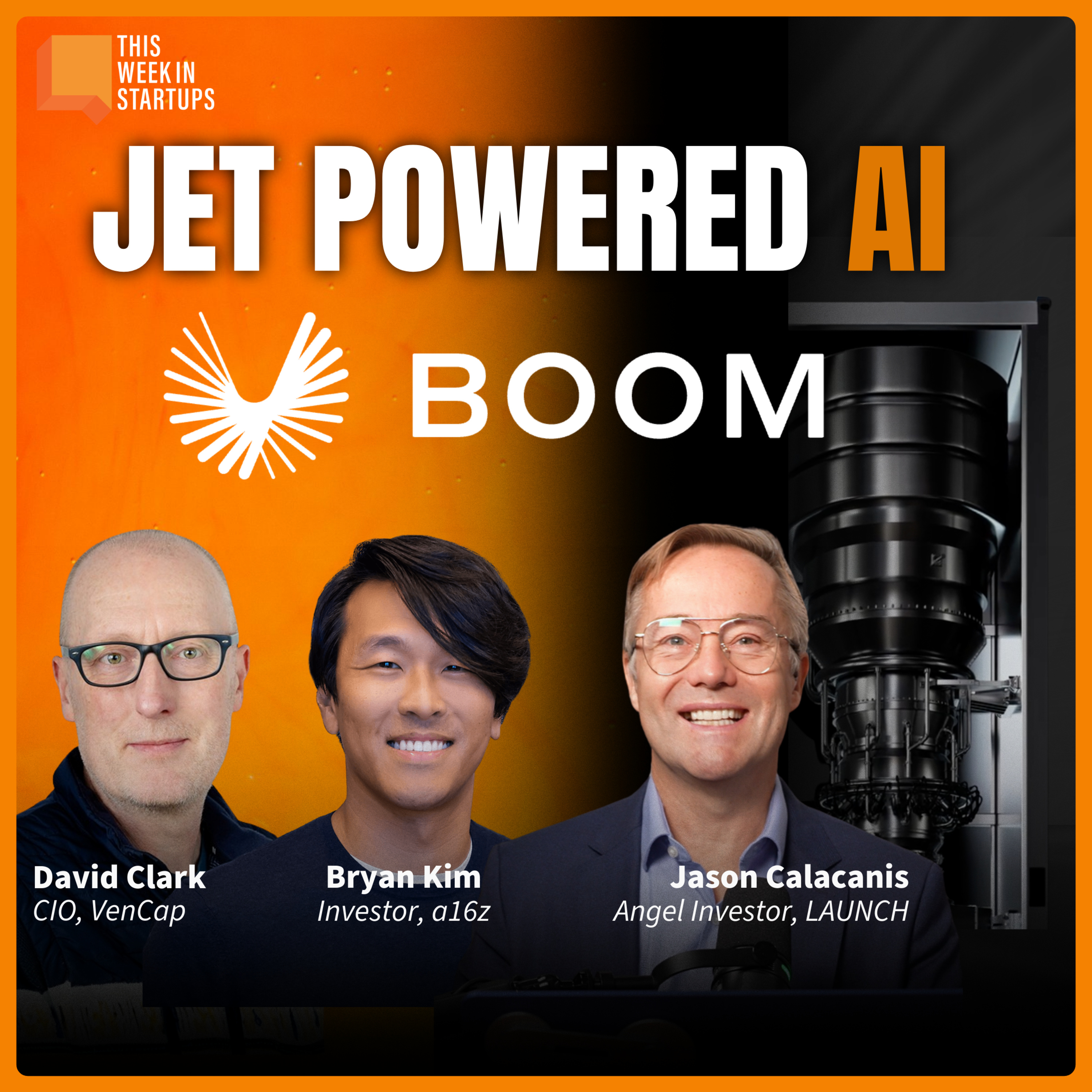
Vincap International's CIO argues the AI market isn't a classic bubble. Unlike previous tech cycles, the installation phase (building infrastructure) is happening concurrently with the deployment phase (mass user adoption). This unique paradigm shift is driving real revenue and growth that supports high valuations.
Howard Marks distinguishes between two bubble types. "Mean reversion" bubbles (e.g., subprime mortgages) create no lasting value. In contrast, "inflection bubbles" (e.g., railroads, internet, AI) fund the necessary, often money-losing, infrastructure that accelerates technological progress for society, even as they destroy investor wealth.
Michael Burry, known for predicting the 2008 crash, argues the AI bubble isn't about the technology's potential but about the massive capital expenditure on infrastructure (chips, data centers) that he believes far outpaces actual end-user demand and economic utility.
The AI infrastructure boom is a potential house of cards. A single dollar of end-user revenue paid to a company like OpenAI can become $8 of "seeming revenue" as it cascades through the value chain to Microsoft, CoreWeave, and NVIDIA, supporting an unsustainable $100 of equity market value.
