Get your free personalized podcast brief
We scan new podcasts and send you the top 5 insights daily.
Howard Marks distinguishes between two bubble types. "Mean reversion" bubbles (e.g., subprime mortgages) create no lasting value. In contrast, "inflection bubbles" (e.g., railroads, internet, AI) fund the necessary, often money-losing, infrastructure that accelerates technological progress for society, even as they destroy investor wealth.

Related Insights
History shows pioneers who fund massive infrastructure shifts, like railroads or the early internet, frequently lose their investment. The real profits are captured later by companies that build services on top of the now-established, de-risked platform.

Unlike prior tech revolutions funded mainly by equity, the AI infrastructure build-out is increasingly reliant on debt. This blurs the line between speculative growth capital (equity) and financing for predictable cash flows (debt), magnifying potential losses and increasing systemic failure risk if the AI boom falters.
The memo argues that the "hysteria of the bubble" compresses the timeline for building out new technologies from decades into just a few years. Patient, value-focused investing would never fund the massive, parallel, and often wasteful experimentation required to jump-start a new technological paradigm at such a rapid pace.
During the dot-com crash, application-layer companies like Pets.com went to zero, while infrastructure providers like Intel and Cisco survived. The lesson for AI investors is to focus on the underlying "picks and shovels"—compute, chips, and data centers—rather than consumer-facing apps that may become obsolete.

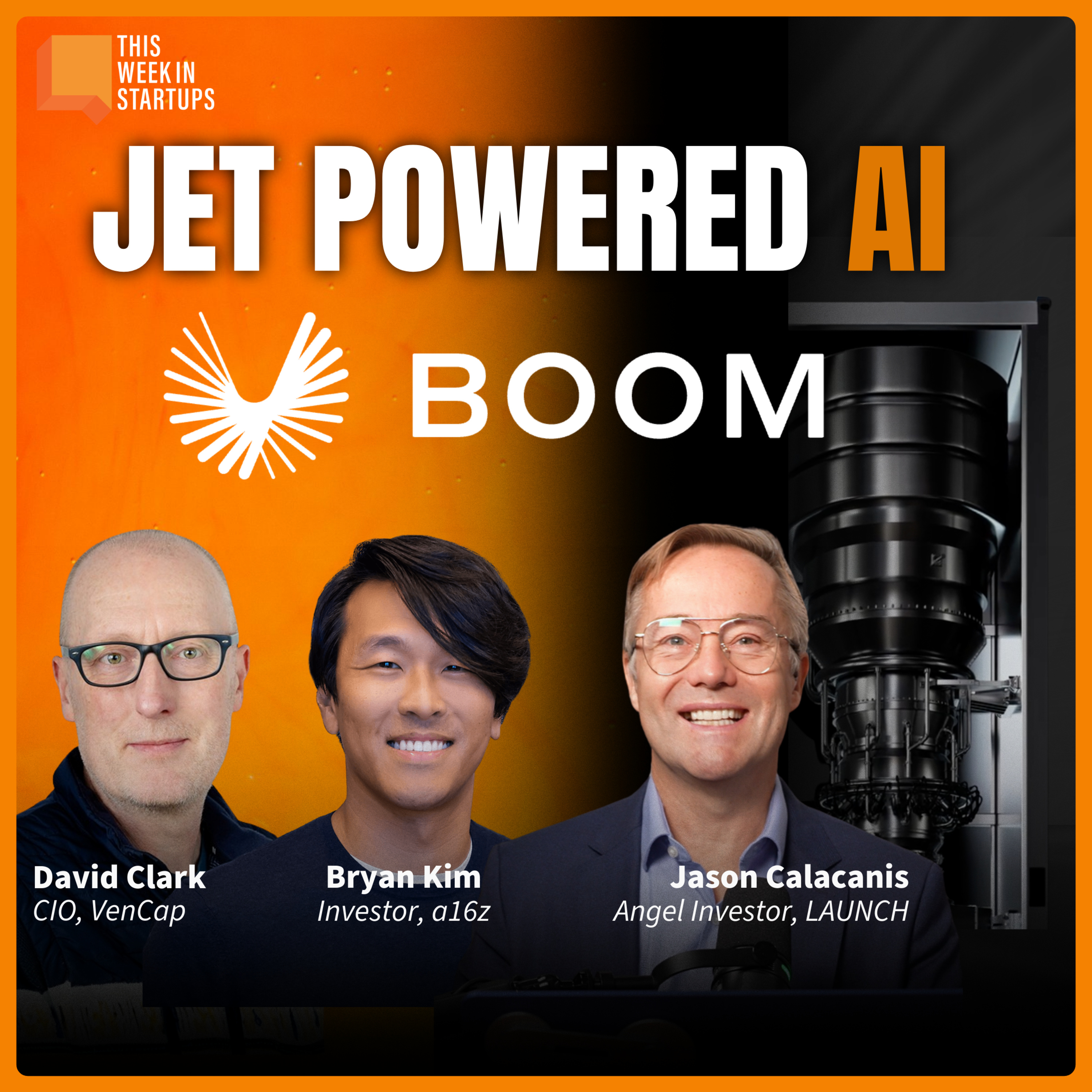
Vincap International's CIO argues the AI market isn't a classic bubble. Unlike previous tech cycles, the installation phase (building infrastructure) is happening concurrently with the deployment phase (mass user adoption). This unique paradigm shift is driving real revenue and growth that supports high valuations.
Innovation doesn't happen without risk-taking. What we call speculation is the essential fuel that allows groundbreaking ideas, like those of Elon Musk, to get funded and developed. While dangerous, attempting to eliminate speculative bubbles entirely would also stifle world-changing progress.

Current AI spending appears bubble-like, but it's not propping up unprofitable operations. Inference is already profitable. The immense cash burn is a deliberate, forward-looking investment in developing future, more powerful models, not a sign of a failing business model. This re-frames the financial risk.

Marks emphasizes that he correctly identified the dot-com and subprime mortgage bubbles without being an expert in the underlying assets. His value came from observing the "folly" in investor behavior and the erosion of risk aversion, suggesting market psychology is more critical than domain knowledge for spotting bubbles.
The dot-com bubble didn't create wealth in 1999; it destroyed it. Generational wealth came from buying and holding survivors like Amazon *after* its stock had fallen 95%. The winning strategy isn't timing the crash, but surviving it and holding quality assets through the long recovery.
Michael Burry, known for predicting the 2008 crash, argues the AI bubble isn't about the technology's potential but about the massive capital expenditure on infrastructure (chips, data centers) that he believes far outpaces actual end-user demand and economic utility.