Get your free personalized podcast brief
We scan new podcasts and send you the top 5 insights daily.
Research by Sunia Luthar reveals children from households earning over $200k annually experience clinical anxiety, depression, and substance abuse at rates two to three times the national average. This is primarily driven by immense pressure to achieve and emotional or physical isolation from parents.

Related Insights
The cultural push toward individualism—remote work, solo entrepreneurship, delayed family formation—leaves people feeling 'unanchored.' This lack of community, responsibility, and shared purpose is directly correlated with rising rates of anxiety, depression, and other mental health challenges.

Entitlement in children isn't simply being a 'brat.' It's often a fear of discomfort. When parents constantly use money to remove obstacles, kids learn that someone else will always solve their problems, leaving them terrified and unequipped for real-world challenges.
Wealthy parents who endlessly provide for their adult children may inadvertently signal a lack of faith in their abilities. This can lead to depression and a sense of incapability, as the financial support is perceived as a message that they are seen as losers.

The rise of 'helicopter parenting'—driven by high-profile but statistically rare media stories—has stripped childhood of unstructured, challenging experiences. Without facing minor physical and social risks (like playground fights), younger generations perceive intellectual disagreements as severe threats, leading to higher anxiety and depression.

Psychiatrist Anna Lemke links rising rates of depression and anxiety in the world's richest nations to the overstimulation of our dopamine pathways. Constant access to high-pleasure foods, entertainment, and products creates a chronic dopamine deficit state, leaving people unhappier, more irritable, and unable to enjoy simple pleasures.
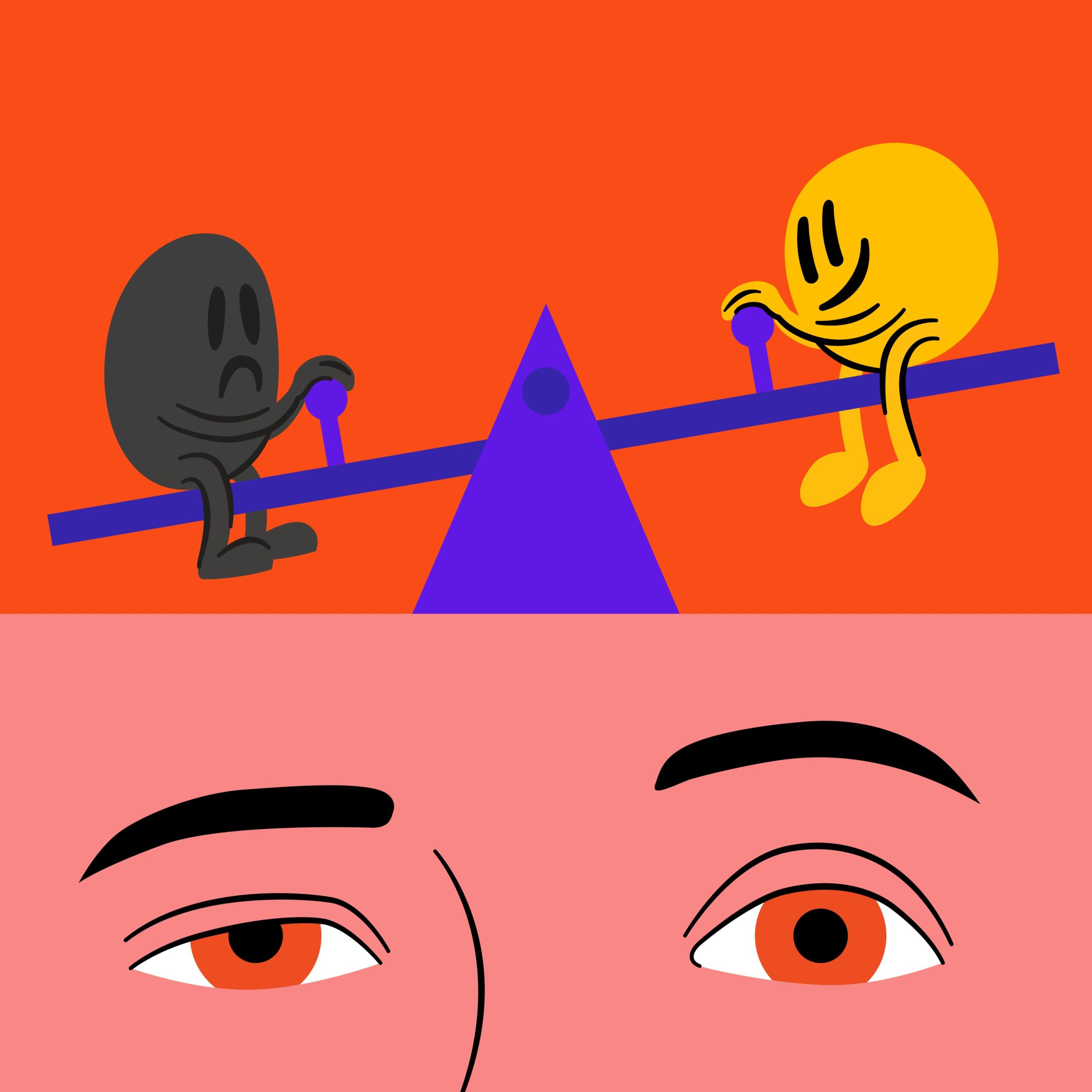
Increased economic disparity makes parents intensely anxious about their children's future success. This fear drives them to over-schedule and micromanage their kids' lives, focusing on resume-building activities rather than free play, which contributes to a more stressful childhood.

Providing children with a high standard of living inadvertently sets that lifestyle as their baseline expectation. This becomes a curse, as they may feel like a failure if they can't replicate it or be prevented from pursuing a fulfilling but less lucrative career.

Beyond a certain threshold, net worth can stop providing happiness and become a social burden. When friends, family, and the community become aware of one's wealth, their expectations change, creating social pressures and liabilities that can outweigh the financial benefits and diminish overall well-being.
Unprecedented global prosperity creates a vacuum of real adversity, leading people to invent anxieties and fixate on trivial problems. Lacking the perspective from genuine struggle, many complain about first-world issues while ignoring their immense privilege, leading to a state where things are 'so good, it's bad.'
The feeling that life is meaningless is the top predictor of depression and anxiety in people under 30. Counterintuitively, this crisis is most severe not among the disadvantaged, but among the highest educated 'strivers' who, on the surface, appear to have the least to worry about.
