Get your free personalized podcast brief
We scan new podcasts and send you the top 5 insights daily.
The rise of 'helicopter parenting'—driven by high-profile but statistically rare media stories—has stripped childhood of unstructured, challenging experiences. Without facing minor physical and social risks (like playground fights), younger generations perceive intellectual disagreements as severe threats, leading to higher anxiety and depression.

Related Insights
Younger generations aren't inherently weaker; they are reacting to an unprecedented volume of external voices from social media. Previous generations contended with a few dozen key influencers (family, teachers), not the thousands that now amplify the inner critic daily.

Young employees' perceived lack of resilience isn't a generational flaw but a result of parenting that shielded them from hardship. The decline of teenagers working difficult, blue-collar summer jobs has created adults who are less prepared for the realities of the workplace.

Existential angst is a luxury problem. A century ago, life's purpose was clear: survive. The comfort and freedom of modern life have removed physical struggles but introduced complex psychological ones, like finding meaning and identity, which are a hidden cost of progress.

The mere presence of an adult shifts responsibility away from children. They come to expect adults to enforce safety and solve conflicts, which discourages them from developing their own problem-solving skills, risk assessment, and self-reliance.
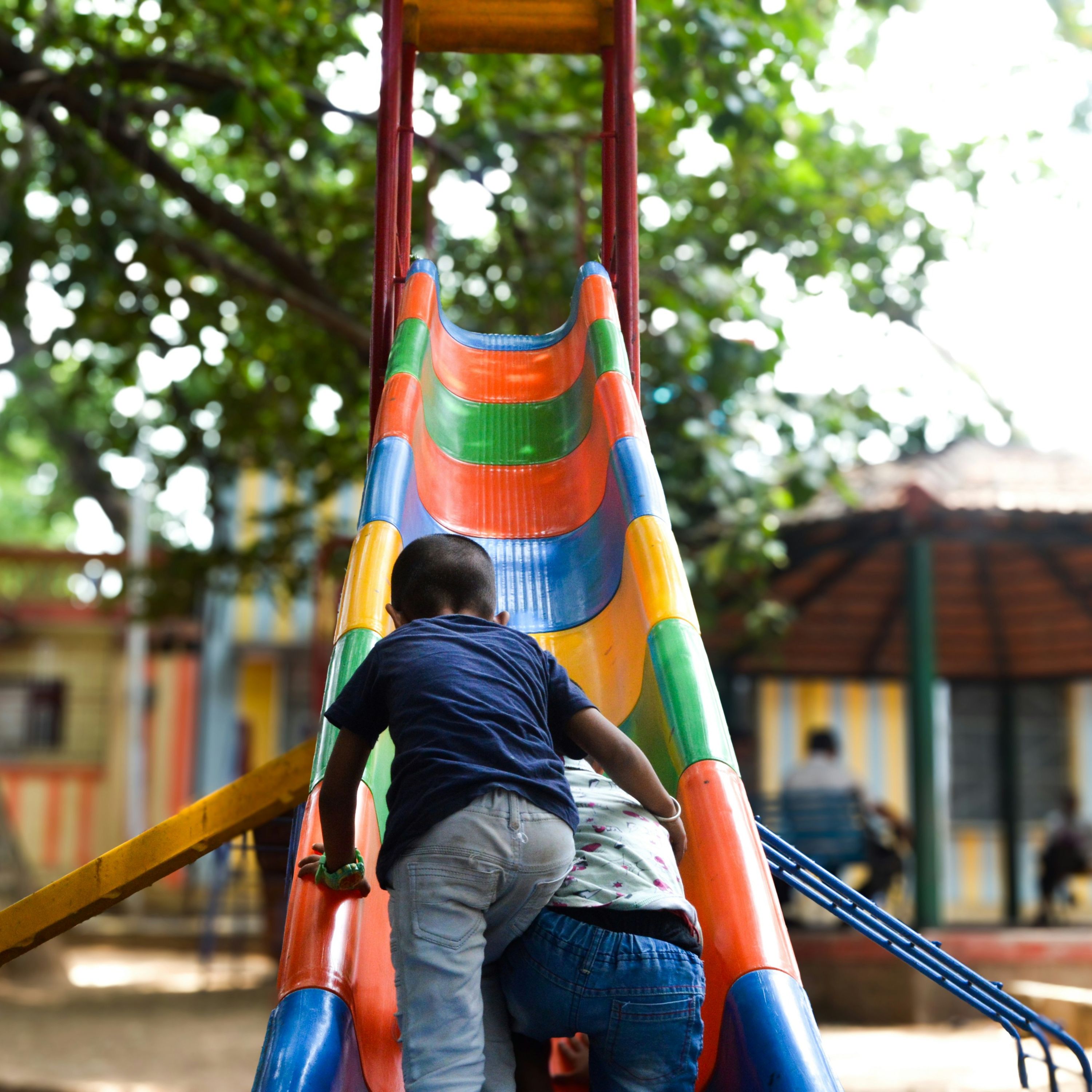
Over the same decades that children's independent play has declined, rates of youth anxiety and depression have steadily risen. Unsupervised play is crucial for developing an "internal locus of control," which allows kids to learn they can handle life’s challenges and builds resilience.
While well-intentioned, attending every single school recital or sports game can create unrealistic expectations for children. Occasionally missing an event teaches resilience, adaptability, and the reality that life sometimes gets in the way, better preparing them for adulthood.
Increased economic disparity makes parents intensely anxious about their children's future success. This fear drives them to over-schedule and micromanage their kids' lives, focusing on resume-building activities rather than free play, which contributes to a more stressful childhood.
Unprecedented global prosperity creates a vacuum of real adversity, leading people to invent anxieties and fixate on trivial problems. Lacking the perspective from genuine struggle, many complain about first-world issues while ignoring their immense privilege, leading to a state where things are 'so good, it's bad.'
Society is experiencing a 'generational whiplash' in parenting. A reaction against strict methods led to a culture of 'eighth-place trophies,' producing adults ill-equipped for real-world consequences. A counter-movement is now emerging where parents are reintroducing competition and accountability to better prepare their children for life's challenges.
Contrary to the goal of eliminating all danger, progressive playground design intentionally incorporates managed risk. This "risky play" is psychologically vital for children to learn physical limits, problem-solving, and resilience in a controlled environment, which ultimately makes them safer.
