Get your free personalized podcast brief
We scan new podcasts and send you the top 5 insights daily.
Learning requires effort, but AI tools can create an illusion of understanding without the underlying cognitive work. This poses a significant risk to human capital formation, as students may increasingly rely on AI to do their thinking, leading to a long-term deterioration of skills.

Related Insights
The education system is fixated on preventing AI-assisted cheating, missing the larger point: AI is making the traditional "test" and its associated skills obsolete. The focus must shift from policing tools to a radical curriculum overhaul that prioritizes durable human skills like ethical judgment and creative problem-solving.

Using generative AI to produce work bypasses the reflection and effort required to build strong knowledge networks. This outsourcing of thinking leads to poor retention and a diminished ability to evaluate the quality of AI-generated output, mirroring historical data on how calculators impacted math skills.
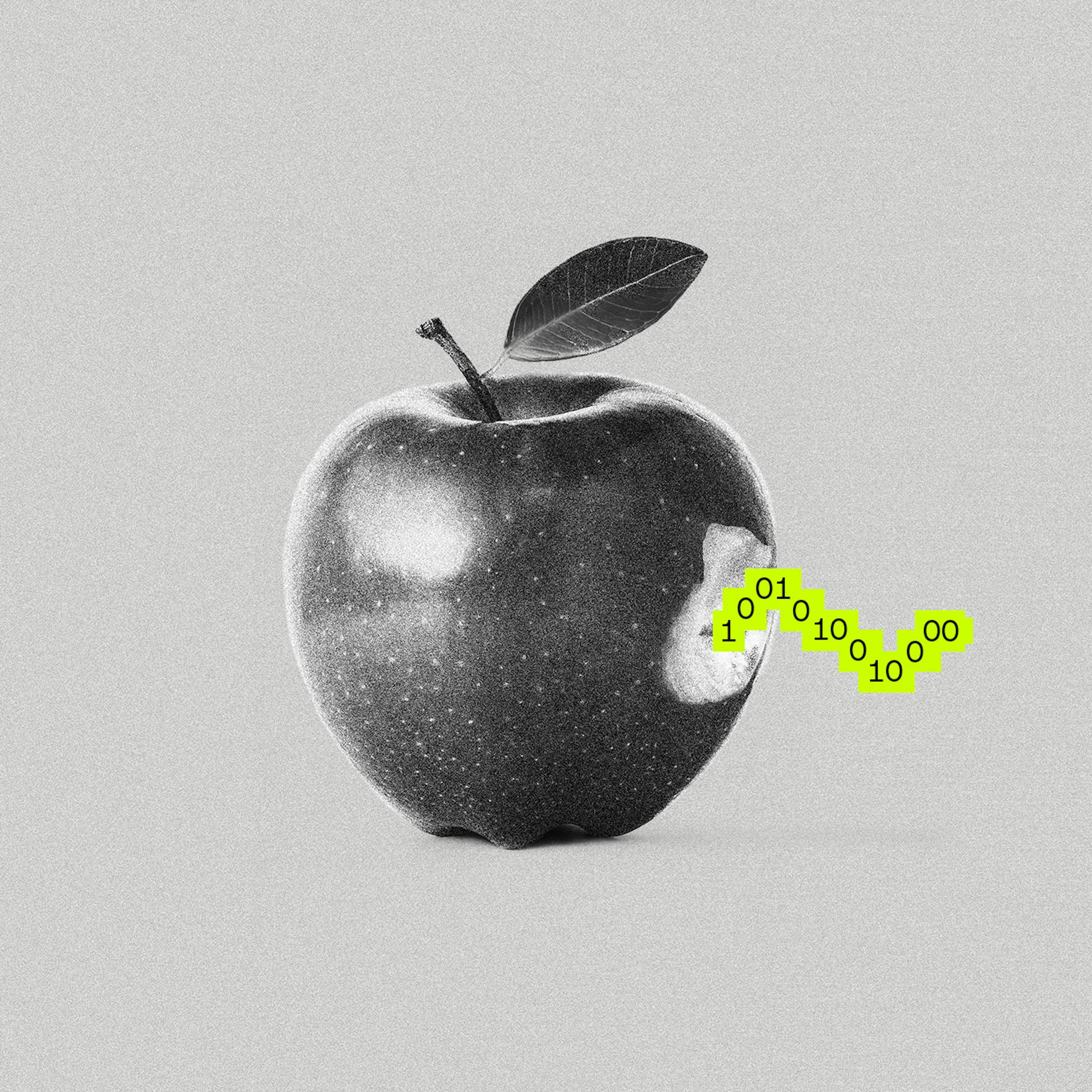
Experts argue that AI's primary use case—alleviating the cognitive strain of writing—directly targets a key activity for strengthening the brain. By summarizing complex texts and generating content, AI encourages shallow engagement and weakens the ability for sustained concentration and insightful thinking.

AI creates a vicious cycle. In a competitive world, you must use AI tools to keep up. However, outsourcing cognitive tasks to AI risks diminishing our capacity for critical thought and robs us of the meaning derived from overcoming intellectual challenges.

The primary danger of AI is not job replacement but the outsourcing of core human skills like deep thinking, creativity, and communication. As with any outsourced capability, this leads to the atrophy of our cognitive functions, mirroring how physical tools made us physically weaker.

While AI can accelerate tasks like writing, the real learning happens during the creative process itself. By outsourcing the 'doing' to AI, we risk losing the ability to think critically and synthesize information. Research shows our brains are physically remapping, reducing our ability to think on our feet.

Using AI to generate instant research reports bypasses the deep learning that occurs during the slow, manual process of discovery. This 'learning atrophy' poses a significant risk for developing genuine expertise, as the struggle itself is a critical part of comprehension.

The struggle to learn, condense, and articulate an idea is more valuable for comprehension than the final output. Relying on AI shortcuts this cognitive "sweat equity," which studies show leads to poor recall, a loss of individual voice, and only a superficial understanding of the subject.

While cheating is a concern, a more insidious danger is students using AI to bypass deep cognitive engagement. They can produce correct answers without retaining knowledge, creating a cumulative learning deficit that is difficult to detect and remedy.

Beyond academic integrity, the most significant danger AI poses to education is fostering passivity. If students use AI merely to consume answers without struggle, it could undermine their development of agency and motivation, which are critical for deep learning and cognitive growth.
