Get your free personalized podcast brief
We scan new podcasts and send you the top 5 insights daily.
Beyond academic integrity, the most significant danger AI poses to education is fostering passivity. If students use AI merely to consume answers without struggle, it could undermine their development of agency and motivation, which are critical for deep learning and cognitive growth.

Related Insights
The education system is fixated on preventing AI-assisted cheating, missing the larger point: AI is making the traditional "test" and its associated skills obsolete. The focus must shift from policing tools to a radical curriculum overhaul that prioritizes durable human skills like ethical judgment and creative problem-solving.

Using generative AI to produce work bypasses the reflection and effort required to build strong knowledge networks. This outsourcing of thinking leads to poor retention and a diminished ability to evaluate the quality of AI-generated output, mirroring historical data on how calculators impacted math skills.
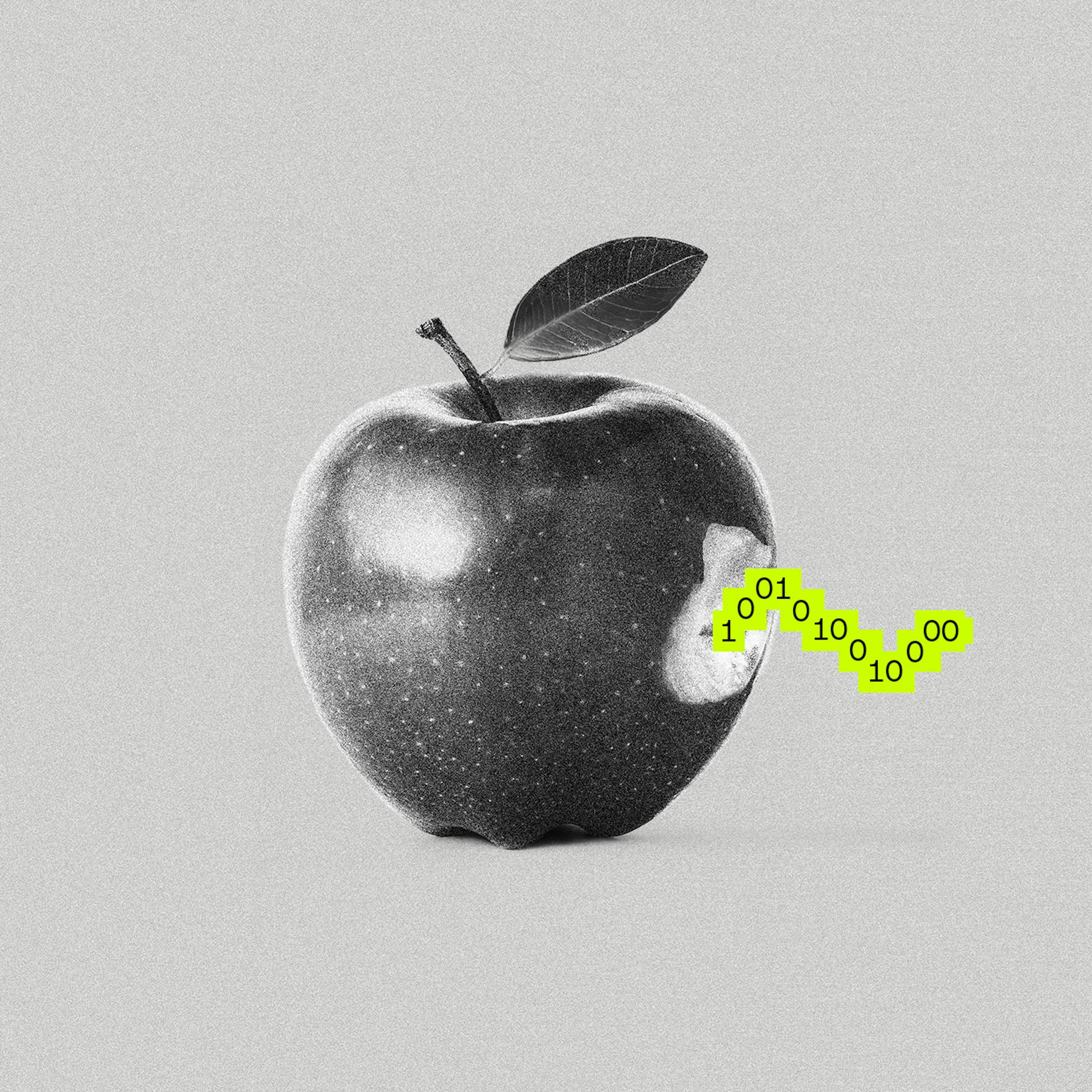
ASU's president argues that if an AI can answer an assignment, the assignment has failed. The educator's role must evolve to use AI to 'up the game,' forcing students to ask more sophisticated questions, making the quality of the query—not the synthesized answer—the hallmark of learning.

While AI can accelerate tasks like writing, the real learning happens during the creative process itself. By outsourcing the 'doing' to AI, we risk losing the ability to think critically and synthesize information. Research shows our brains are physically remapping, reducing our ability to think on our feet.

AI accelerates learning for motivated students but enables disengaged ones to avoid it entirely. This dichotomy makes fostering genuine student engagement the single most critical challenge for educators today, as it is the linchpin determining whether AI is a revolutionary tool or a disastrous crutch.
The struggle to learn, condense, and articulate an idea is more valuable for comprehension than the final output. Relying on AI shortcuts this cognitive "sweat equity," which studies show leads to poor recall, a loss of individual voice, and only a superficial understanding of the subject.

While cheating is a concern, a more insidious danger is students using AI to bypass deep cognitive engagement. They can produce correct answers without retaining knowledge, creating a cumulative learning deficit that is difficult to detect and remedy.

Generative AI's appeal highlights a systemic issue in education. When grades—impacting financial aid and job prospects—are tied solely to finished products, students rationally use tools that shortcut the learning process to achieve the desired outcome under immense pressure from other life stressors.
AI's true potential in education isn't being realized. Instead of banning it to prevent students from doing ninth-grade homework, schools should encourage them to use AI for ambitious projects like designing starships, thereby up-leveling their goals and skills.
Instead of allowing AI to atrophy critical thinking by providing instant answers, leverage its "guided learning" capabilities. These features teach the process of solving a problem rather than just giving the solution, turning AI into a Socratic mentor that can accelerate learning and problem-solving abilities.