Get your free personalized podcast brief
We scan new podcasts and send you the top 5 insights daily.
The struggle to learn, condense, and articulate an idea is more valuable for comprehension than the final output. Relying on AI shortcuts this cognitive "sweat equity," which studies show leads to poor recall, a loss of individual voice, and only a superficial understanding of the subject.

Related Insights
Using generative AI to produce work bypasses the reflection and effort required to build strong knowledge networks. This outsourcing of thinking leads to poor retention and a diminished ability to evaluate the quality of AI-generated output, mirroring historical data on how calculators impacted math skills.
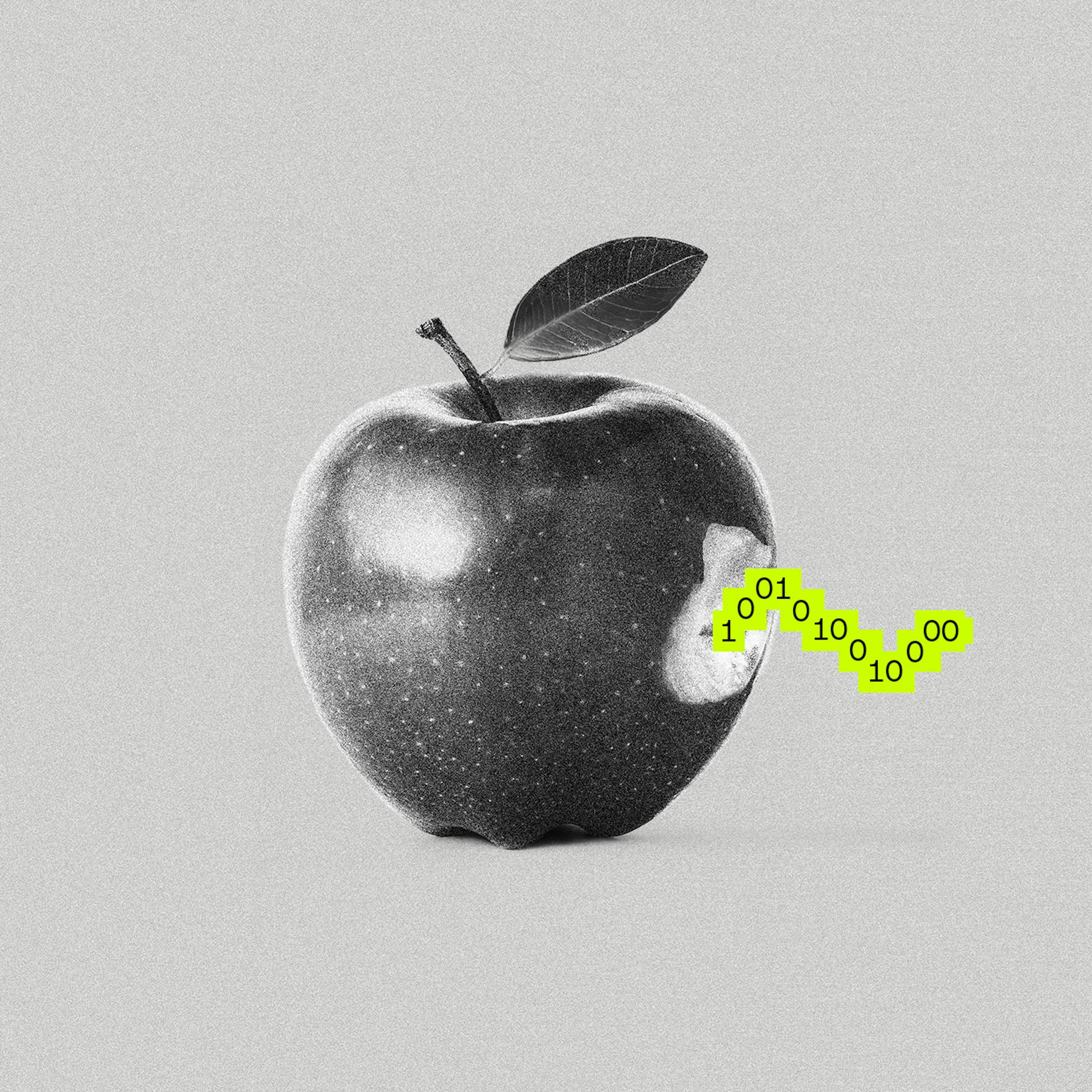
Experts argue that AI's primary use case—alleviating the cognitive strain of writing—directly targets a key activity for strengthening the brain. By summarizing complex texts and generating content, AI encourages shallow engagement and weakens the ability for sustained concentration and insightful thinking.

Over-reliance on automation for cognitive tasks prevents true learning, as struggle is necessary for internalizing lessons. Outsourcing effort to tools like AI causes your own abilities to atrophy; you can rent wisdom, but you can only purchase it with pain.

Relying on generative AI to produce assignments bypasses the effortful cognitive processes—like reflection and structuring arguments—that are essential for forming long-term memories. As a result, students who use tools like ChatGPT have very poor recall of the essays they submitted, defeating the purpose of the learning exercise.
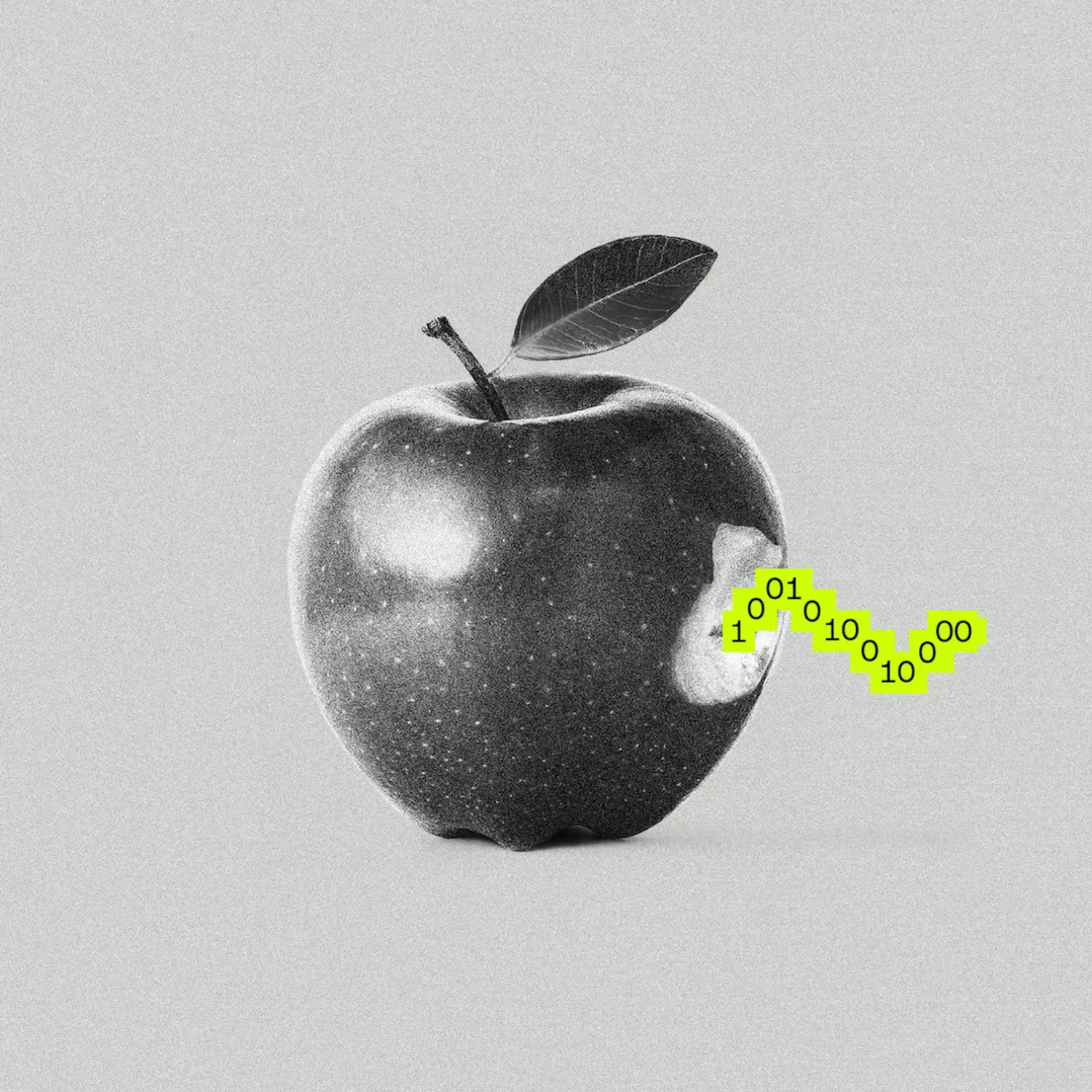
While AI can accelerate tasks like writing, the real learning happens during the creative process itself. By outsourcing the 'doing' to AI, we risk losing the ability to think critically and synthesize information. Research shows our brains are physically remapping, reducing our ability to think on our feet.

Using AI to generate instant research reports bypasses the deep learning that occurs during the slow, manual process of discovery. This 'learning atrophy' poses a significant risk for developing genuine expertise, as the struggle itself is a critical part of comprehension.

While cheating is a concern, a more insidious danger is students using AI to bypass deep cognitive engagement. They can produce correct answers without retaining knowledge, creating a cumulative learning deficit that is difficult to detect and remedy.

The act of writing is not just about producing words; it's a rigorous process of structuring thoughts and building knowledge. Offloading this 'hard work' to AI conveniences away the cognitive benefit, turning people from active creators and thinkers into passive observers and editors.

Relying on AI for writing tasks has a measurable neurological cost. EEG scans show brain connectivity is nearly halved compared to writing manually. This "cognitive debt" means you get faster output but fail to build the long-term neural pathways for true understanding and memory.

Outsourcing cognitive tasks like summarizing a document isn't just a time-saver; it's skipping the mental exercise of discerning what's important. Repeatedly delegating this work weakens your judgment "muscle," as you stop forming your own well-reasoned opinions and critical viewpoints.
