Get your free personalized podcast brief
We scan new podcasts and send you the top 5 insights daily.
While cheating is a concern, a more insidious danger is students using AI to bypass deep cognitive engagement. They can produce correct answers without retaining knowledge, creating a cumulative learning deficit that is difficult to detect and remedy.

Related Insights
Schools ban AI like ChatGPT fearing it's a tool for cheating, but this is profoundly shortsighted. The quality of an AI's output is entirely dependent on the critical thinking behind the user's input. This makes AI the first truly scalable tool for teaching children how to think critically, a skill far more valuable than memorization.

Data shows the vast majority (80%) of high school students use AI tools to explain concepts or brainstorm ideas. The rate of students admitting to cheating on entire assignments remains a consistent minority (~10%), suggesting AI is a new method for cheating, not a cause for a massive increase in it.
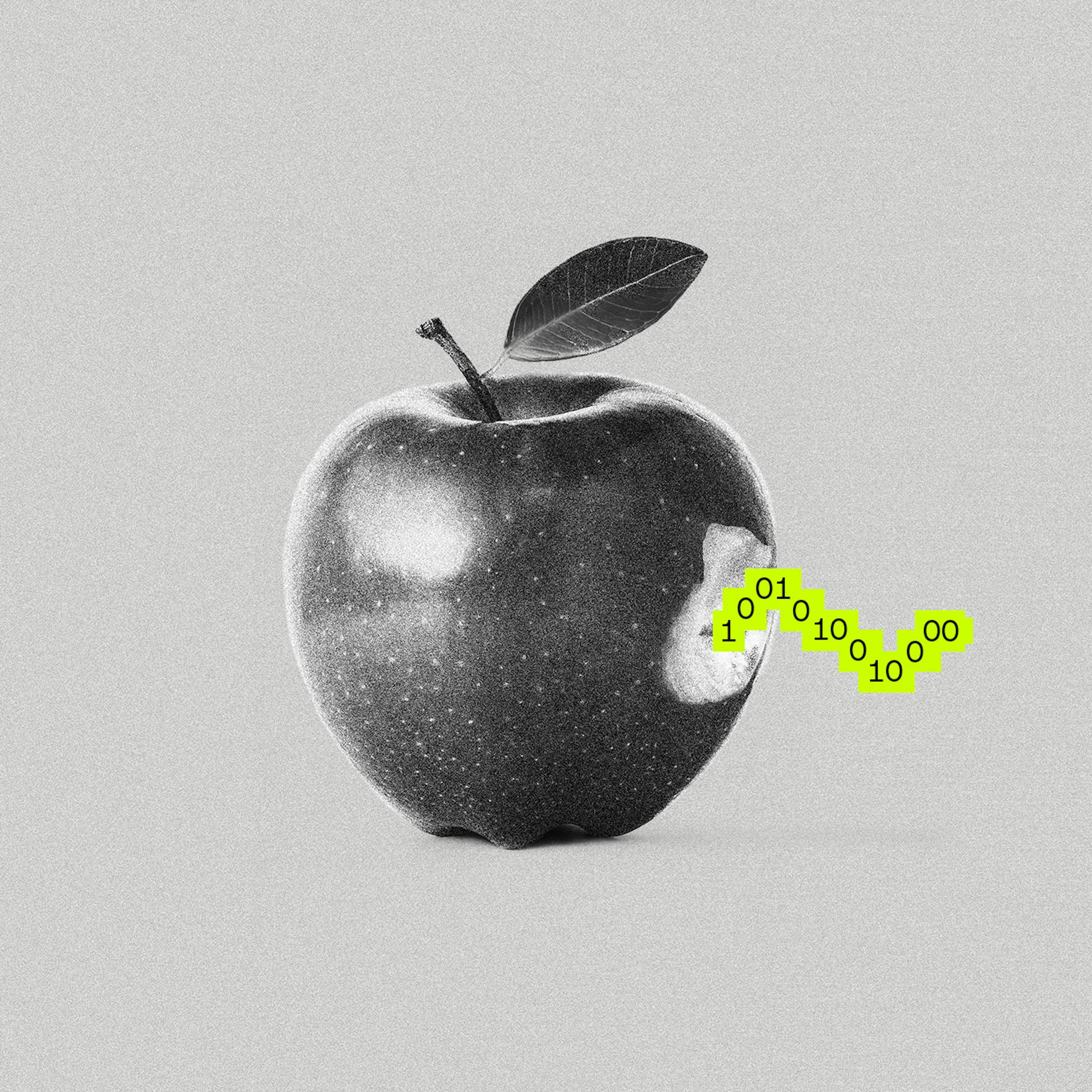
Historical inventions have atrophied human faculties, creating needs for artificial substitutes (e.g., gyms for physical work). Social media has atrophied socializing, creating a market for "social skills" apps. The next major risk is that AI will atrophe critical thinking, eventually requiring "thinking gyms" to retrain our minds.

Using generative AI to produce work bypasses the reflection and effort required to build strong knowledge networks. This outsourcing of thinking leads to poor retention and a diminished ability to evaluate the quality of AI-generated output, mirroring historical data on how calculators impacted math skills.
The true danger of LLMs in the workplace isn't just sloppy output, but the erosion of deep thinking. The arduous process of writing forces structured, first-principles reasoning. By making it easy to generate plausible text from bullet points, LLMs allow users to bypass this critical thinking process, leading to shallower insights.

ASU's president argues that if an AI can answer an assignment, the assignment has failed. The educator's role must evolve to use AI to 'up the game,' forcing students to ask more sophisticated questions, making the quality of the query—not the synthesized answer—the hallmark of learning.

While AI can accelerate tasks like writing, the real learning happens during the creative process itself. By outsourcing the 'doing' to AI, we risk losing the ability to think critically and synthesize information. Research shows our brains are physically remapping, reducing our ability to think on our feet.

Generative AI's appeal highlights a systemic issue in education. When grades—impacting financial aid and job prospects—are tied solely to finished products, students rationally use tools that shortcut the learning process to achieve the desired outcome under immense pressure from other life stressors.
Instead of allowing AI to atrophy critical thinking by providing instant answers, leverage its "guided learning" capabilities. These features teach the process of solving a problem rather than just giving the solution, turning AI into a Socratic mentor that can accelerate learning and problem-solving abilities.
The real danger of new technology is not the tool itself, but our willingness to let it make us lazy. By outsourcing thinking and accepting "good enough" from AI, we risk atrophying our own creative muscles and problem-solving skills.