Get your free personalized podcast brief
We scan new podcasts and send you the top 5 insights daily.
Psychologist Alan Richardson's study on basketball players demonstrated that mental rehearsal is almost as powerful as physical practice. The group that only visualized making free throws improved by 24%, just shy of the 25% improvement seen in the group that physically practiced on the court.

Related Insights
Standard preparation often focuses on contingency planning for what could go wrong. A more effective technique is to spend time envisioning and planning for what you will do when things go right. This cognitive shift directs your brain toward success and better prepares you to capitalize on positive moments.
Top performers often exist in a state of constant calculation. The key to sustainable excellence is learning to consciously switch between being 'on the field' (strategizing) and 'off the field' (being present). Deliberately switching off sharpens focus and makes you more effective when you are back 'on'.
![Ari Emanuel - The Anti-AI Bet - [Invest Like the Best, EP.448] thumbnail](https://megaphone.imgix.net/podcasts/c5910280-c4dd-11f0-94be-ab6a7a5865b0/image/1e5a2263eb62fcde200846919e24419a.jpg?ixlib=rails-4.3.1&max-w=3000&max-h=3000&fit=crop&auto=format,compress)
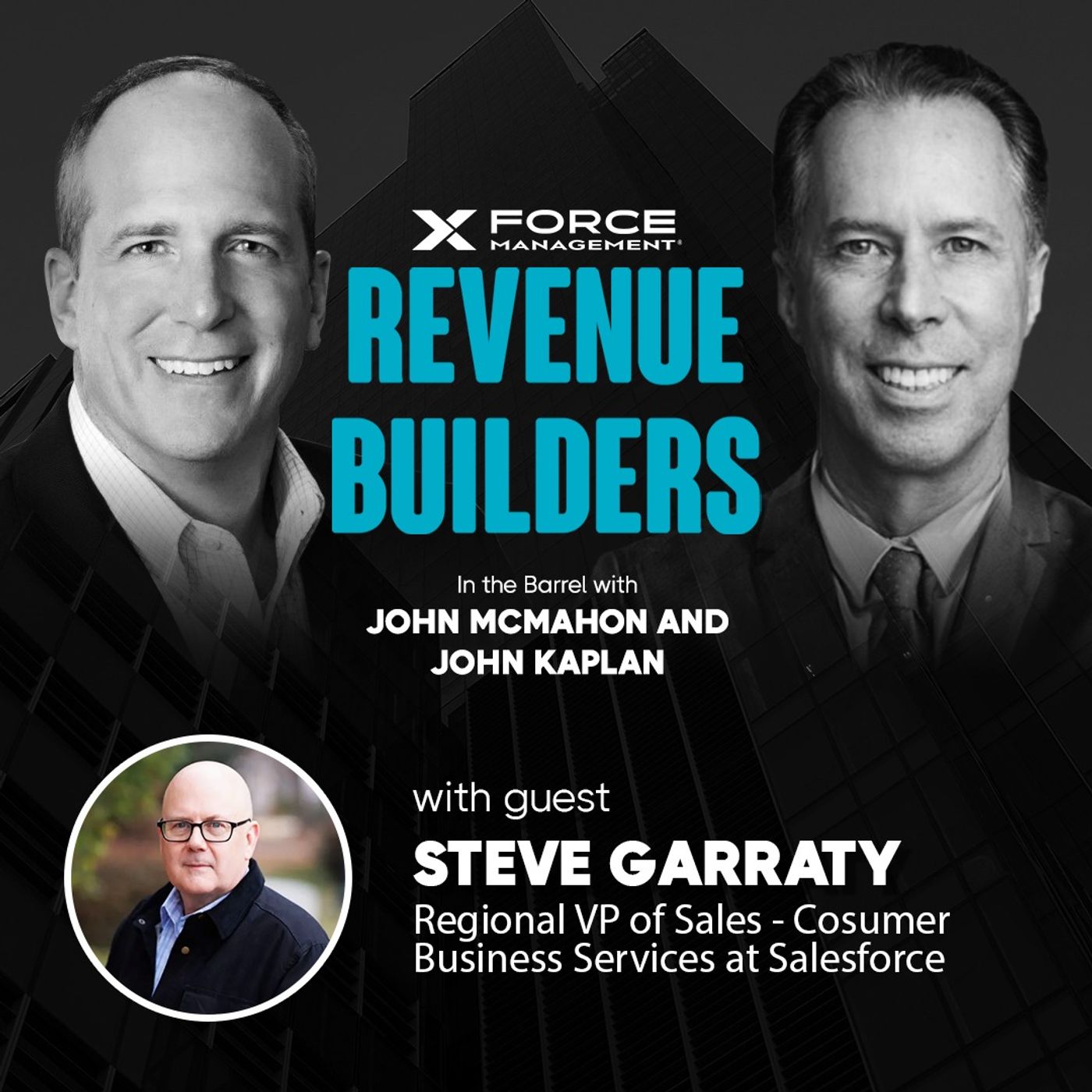
During his cancer battle, Steve Garrity actively visualized his healthy cells defeating cancer cells, using a "Star Wars" analogy. This technique gave him a sense of control and agency in his recovery. It demonstrates that visualization can be a practical tool to mentally engage in overcoming profound challenges, rather than just a passive hope.
Professional athlete Chiney Ogwumike conquered her fear of shooting free throws not with psychological hacks, but through relentless, repetitive practice. This brute-force approach builds mastery and confidence, demonstrating that true freedom from performance fear is earned through dedicated work, not just mindset shifts.
After surviving cancer, runner Nick Thompson unconsciously anchored his marathon time to his pre-illness performance for over a decade. He only broke this plateau when a coach helped him reframe his expectations. This shows perceived limits are often mental barriers that require an external catalyst or a conscious mindset shift to overcome.

Studies show that mindset can override biology. Athletes told they had a performance-enhancing gene performed better, even if they didn't. People believing they ate gluten had physical reactions without any present. This demonstrates that our expectations can create powerful physiological realities (placebo/nocebo effects).

To become a great speaker, Anthony Trucks recorded a 90-second video every night for 3.5 years. This consistent, low-stakes practice built skill and confidence when no one was watching. Mastery comes not from occasional grand efforts but from relentless daily reps that forge a new identity.

Training methods leverage the brain's predictive nature. Repetitive practice makes the brain efficient at predicting movements, leading to mastery and lower energy use ('muscle memory'). In contrast, unpredictable training creates constant prediction errors, forcing adaptation and burning more calories, which drives growth and resilience.

The brain processes images more effectively than words. Use AI image generators to translate your text-based goals into vivid, photorealistic scenes. This creates a powerful vision board that acts like a "heat-seeking missile," programming your mind to spot opportunities to achieve that vision.

Simply practicing a new skill is inefficient. A more effective learning loop involves four steps: 1) Reflect to fully understand the concept, 2) Identify a meaningful application, 3) Practice in a low-stakes environment, and 4) Reflect again on what worked and what didn't to refine your approach.